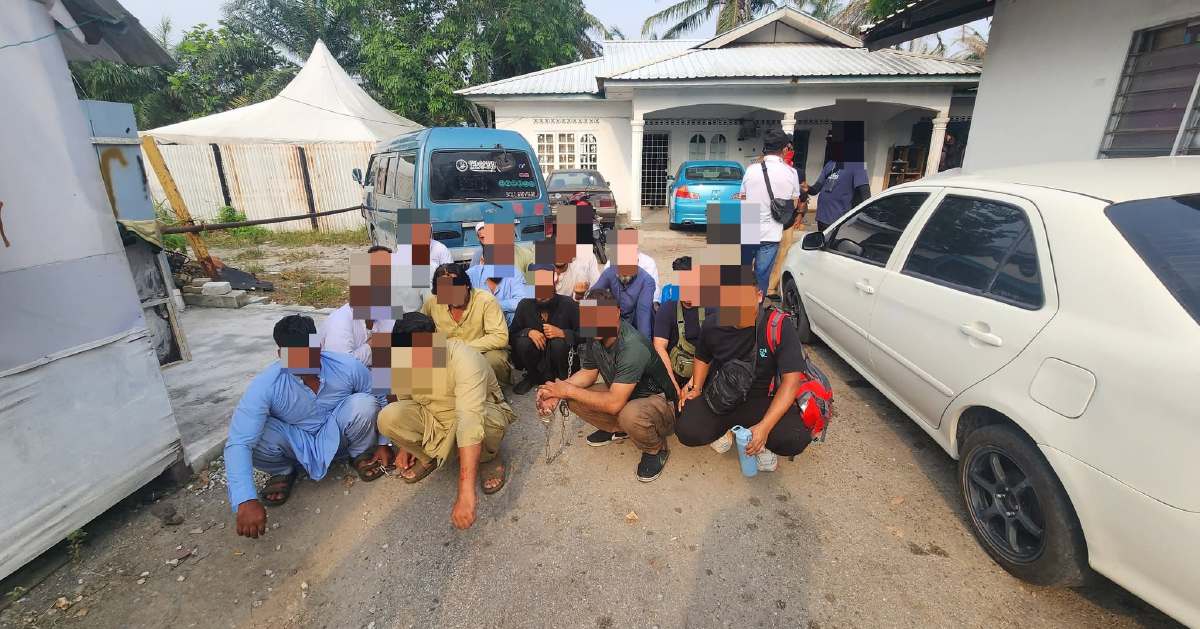
The Immigration Department has successfully shut down a large-scale vehicle dismantling and parts resale network operating in the Klang area, with enforcement officers conducting a raid that resulted in 20 arrests yesterday at a location on Jalan Kapar. Intelligence gathered by authorities points to a Pakistani national as the primary organiser behind the criminal network, which has been systematically stripping vehicles and selling components through illicit channels.
The operation represents a significant breakthrough in combating organised vehicle theft and trafficking, two crimes that have persistently plagued Malaysia's transportation sector. Such syndicates operate within a sophisticated underground economy that feeds stolen and illegally dismantled parts into both domestic markets and regional distribution networks. The involvement of foreign nationals in coordinating these activities underscores how international criminal networks have adapted their operations to exploit Malaysia's logistics infrastructure and geographic position within Southeast Asia.
Vehicle parts theft rings typically begin with the acquisition of vehicles through theft, insurance fraud, or direct purchase of damaged stock. The Klang operation appears to follow this established model, where operators establish secure facilities where specialist mechanics systematically dismantle vehicles component by component. High-value parts including engines, transmission systems, airbags, electronic control units, and luxury automotive fixtures command premium prices in underground markets where questions about provenance are deliberately avoided.
The Klang industrial zone, with its dense concentration of warehouses, workshops, and logistical facilities, has historically attracted such illicit operations precisely because legitimate commercial activity provides considerable cover. The area's proximity to major highways and ports also facilitates the rapid movement of goods both into Malaysia and toward regional export destinations. This geographical advantage, combined with transient worker populations and multiple entry and exit routes, creates an environment where criminal enterprises can operate with relative impunity unless specifically targeted.
For Malaysian vehicle owners, the proliferation of such rings carries direct financial consequences. Stolen components sold through informal channels undercut legitimate automotive retailers and mechanics, reducing their market share and potentially compromising service quality standards. More concerning is the safety dimension: parts sourced from dismantled vehicles lack proper quality certification, may be faulty or damaged, and often lack warranty protection. A malfunctioning airbag or braking system sourced from stolen stock poses genuine risks to driver and passenger safety.
The use of foreign nationals as operational leads in such enterprises reflects broader trends within Malaysian organised crime. International syndicates have increasingly positioned themselves as coordinators rather than street-level operatives, leveraging their connections across multiple countries to manage supply chains spanning Asia. Pakistani nationals have been documented by enforcement agencies as active participants in vehicle trafficking and parts smuggling networks across the region, utilising established trade routes and diaspora networks to facilitate their activities.
From an enforcement perspective, this raid demonstrates the value of cross-agency intelligence sharing and coordinated operations. Dismantling such networks requires sustained investigation to identify patterns, track financial flows, and pinpoint operational hubs before moving to arrests. The scale of the operation—20 suspects arrested in a single action—suggests authorities had developed comprehensive understanding of the syndicate's structure before executing their enforcement action.
The investigation will likely extend beyond these initial arrests as authorities examine the financial dimensions of the enterprise, trace supplier relationships, and identify downstream recipients of stolen parts. Banking records, mobile phone communications, and warehouse inventory typically reveal the full extent of criminal activity and expose previously unknown participants in the network. Prosecution will depend on establishing clear links between suspects and specific criminal acts, which requires systematic documentation of evidence during the raid.
For Malaysia's automotive industry and consumers, sustained enforcement against vehicle parts syndicates remains essential to protecting market integrity and ensuring safety standards. However, long-term solutions require addressing root causes including poverty-driven recruitment of operational staff, the economic incentives driving demand for cheap components, and the insufficient penalties currently deterring sophisticated criminal enterprises. Enhanced penalties for organised vehicle parts trafficking, increased surveillance of industrial zones with histories of such activity, and cooperation with regional law enforcement targeting cross-border trafficking networks would collectively strengthen Malaysia's position against these recurring threats.
The arrest of the Pakistani national as alleged mastermind also highlights the transnational dimension of modern crime in Southeast Asia. Few significant criminal enterprises now operate within purely national boundaries; most exploit regulatory differences, jurisdictional gaps, and currency variations across multiple countries. Addressing such networks effectively demands that Malaysian authorities continue strengthening regional law enforcement partnerships, sharing intelligence across ASEAN borders, and coordinating investigations with intelligence agencies in source and transit countries for stolen goods.

