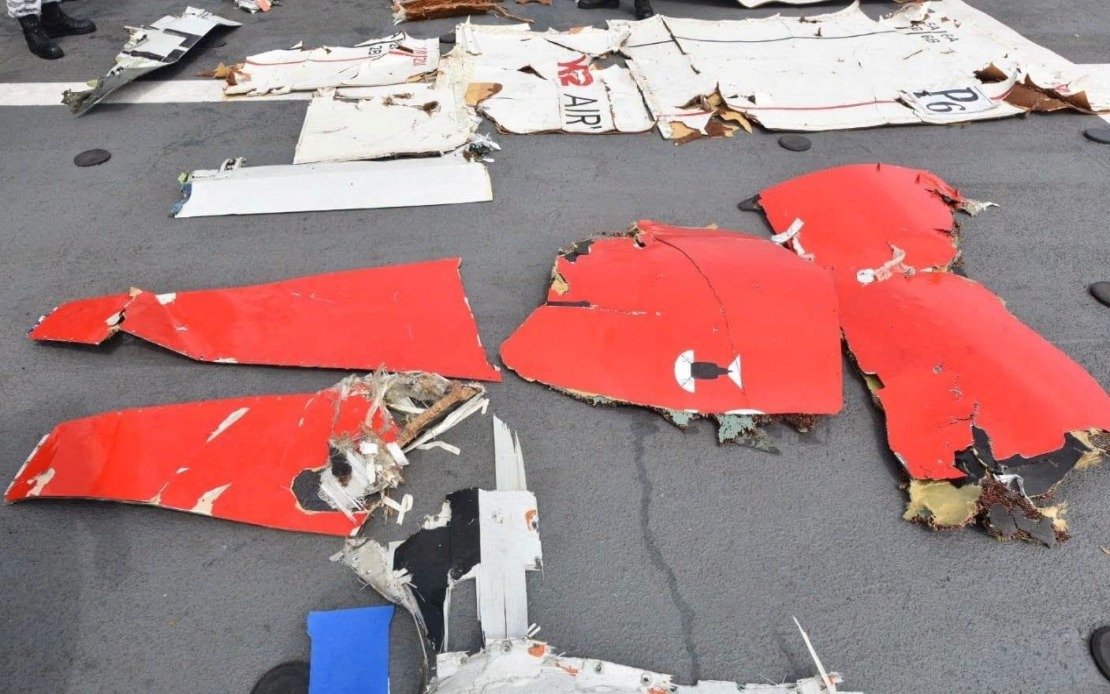
The Pakistani Navy has recovered fragments of a Boeing 737 cargo aircraft operated by K2 Airways in the Arabian Sea, marking a significant development in the search operation that commenced after the plane vanished from radar on Tuesday evening. Naval vessels located debris off the coast near Amara, situated west of Karachi, following an intensive 12-hour search mission coordinated through the Pakistan Civil Aviation Authority. However, the discovery of wreckage has not yielded any sign of the five aviation professionals who were aboard the aircraft at the time of its disappearance.
The aircraft, identified as a Boeing 737 that had been repurposed for cargo transport operations, was en route from Sharjah in the United Arab Emirates to Karachi when communications were severed. Prior to losing contact with air traffic control, the flight crew reported encountering navigation difficulties, prompting concerns among ground personnel. The plane subsequently lost altitude at a rapid rate and disappeared from radar systems, initiating an emergency response across multiple government agencies and maritime authorities responsible for search and rescue operations in Pakistani territorial waters.
K2 Airways, the private Pakistani carrier operating the aircraft, identified the missing crew as two pilots, two engineers, and a loadmaster. In a Facebook statement, the airline expressed its commitment to assisting official investigations while requesting prayers for the safety of its personnel. The company has maintained full cooperation with the Pakistan Civil Aviation Authority and other relevant government bodies overseeing the ongoing response to the incident. Prime Minister Shehbaz Sharif acknowledged the tragedy on Wednesday, expressing official condolences to the families of those affected and demonstrating government attention to the crisis.
Environmental conditions have complicated efforts to locate the crew members and conduct comprehensive recovery operations. The onset of the monsoon season has generated rough seas across the Arabian Sea, creating hazardous circumstances for naval vessels and divers engaged in search activities. These challenging maritime conditions have restricted visibility and navigation capabilities, thereby limiting the speed and scope of operations that authorities can safely conduct in the region. Such seasonal weather patterns are particularly significant in South Asian waters during this period, making rescue efforts considerably more difficult and unpredictable.
The Boeing 737 in question had been operational for more than two decades, initially entering service in 1999 as a passenger transport aircraft before undergoing conversion for freight operations. This repurposing reflects broader industry practices whereby aging passenger aircraft are retrofitted for cargo purposes, extending their operational lifespan and allowing operators to maximize asset utilization. The specific aircraft's maintenance history and operational record remain subjects of ongoing investigation, as authorities seek to determine contributing factors to the incident.
K2 Airways itself represents a relatively recent entrant to Pakistan's commercial aviation sector, having commenced flight operations in 2018. The airline has operated within Pakistan's competitive cargo transportation market, serving logistical demands across the region. This incident represents a significant challenge to the company's operational record and public reputation, placing additional scrutiny on private Pakistani carriers and their safety protocols during a period of expansion within the regional aviation industry.
For Malaysia and Southeast Asian nations, this incident underscores persistent vulnerabilities within aviation operations across South and Central Asia. Regional aviation authorities often face resource constraints in implementing comprehensive safety oversight, particularly for smaller carriers operating freight services. The incident reflects broader industry challenges regarding aging aircraft conversions, crew training standards, and emergency response capabilities that affect cross-border air transport throughout the region. Malaysian aviation regulators and operators monitor such developments closely to identify systemic issues that might affect regional safety standards.
The search operation demonstrates international coordination mechanisms available to Pakistan's aviation authorities, with naval forces providing crucial maritime capabilities for locating wreckage across vast ocean areas. However, the absence of crew survivors despite the discovery of aircraft fragments raises serious questions about the circumstances surrounding the rapid loss of altitude and radar contact. Investigators will analyze recovered debris, maintenance records, weather data, and communication transcripts to reconstruct the sequence of events that culminated in the aircraft's disappearance.
Such incidents typically prompt comprehensive reviews of safety protocols within affected airlines and broader regulatory frameworks governing cargo operations. Malaysian and other regional carriers operating similar aircraft types will likely benefit from safety bulletins and operational guidance issued following completion of official investigations. The incident highlights enduring risks associated with aviation operations across challenging geographical and meteorological conditions, emphasizing the importance of robust safety cultures and continuous investment in training and equipment modernization throughout the sector.

