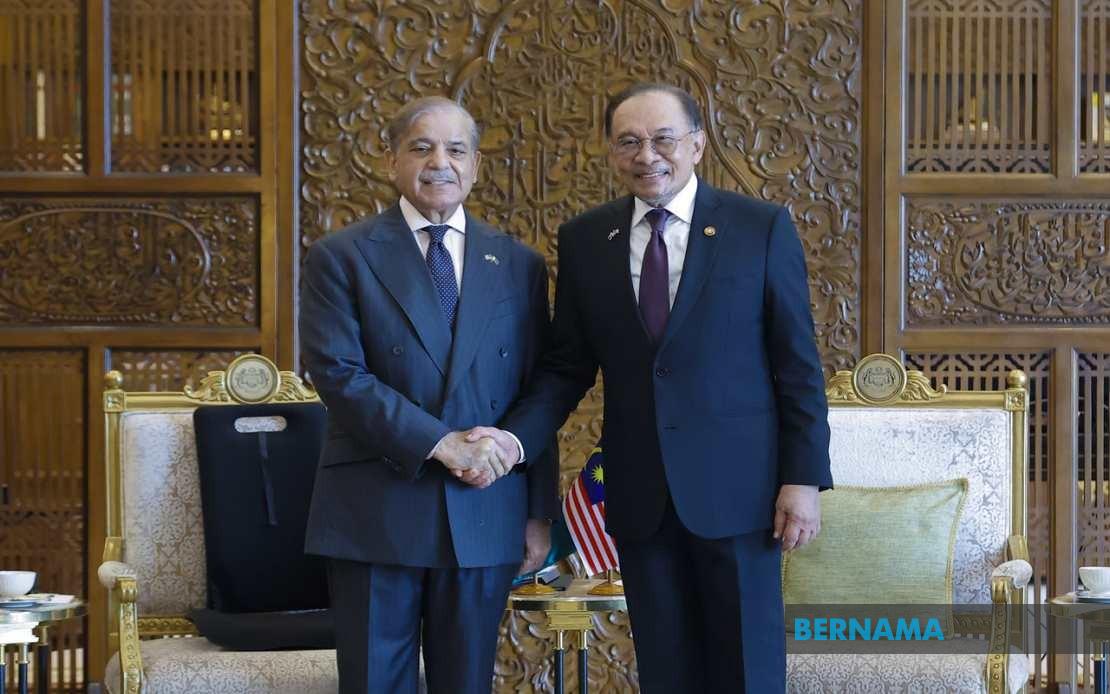
Pakistan's Prime Minister Shehbaz Sharif has publicly expressed his hopes for a swift recovery for Malaysia's Datuk Seri Anwar Ibrahim, who underwent medical procedures on Monday. The Pakistani leader took to social media to convey his support and prayers, marking a gesture of diplomatic solidarity between the two South and Southeast Asian nations at a time when regional cooperation remains a priority.
In a post shared on X, Shehbaz Sharif described Anwar as his "dear brother," signalling the warmth of bilateral relations between Pakistan and Malaysia. He specifically wished for a "swift and smooth recovery" and invoked religious sentiment by praying that "Allah SWT bless him with a speedy return to his duties." The personal tone of the message reflects the close working relationship between the two leaders and underscores the importance placed on maintaining strong ties across the region.
Malaysia's Prime Minister underwent medical examinations and procedures that had been prescribed by a team of medical specialists attending to him. According to a statement from Anwar's Senior Press Secretary Tunku Nashrul Abaidah, the procedures were part of a comprehensive medical assessment. The Malaysian leader was expected to remain under medical observation for a period of two days following the procedures, during which medical professionals would monitor his condition closely.
The timing of such medical procedures among senior regional leaders often generates significant public interest and diplomatic attention. In this case, Shehbaz Sharif's immediate and public expression of concern demonstrated the value placed on the Malaysia-Pakistan relationship at the highest levels of government. Such gestures, though seemingly routine in diplomatic protocol, carry substantive weight in reinforcing bilateral partnerships and signalling stability to international partners and observers.
Anwar Ibrahim has been at the helm of Malaysian politics through a transformative period, having assumed the Prime Minister's office in November 2022 following a complex political transition. His continued health and ability to discharge his duties remain matters of national importance for Malaysia. The public nature of the medical procedure and the transparent communication regarding his condition reflect contemporary governance standards in Malaysia, where information about leadership health is handled with appropriate openness while respecting privacy.
Pakistan and Malaysia maintain longstanding economic, cultural, and diplomatic ties that span decades. Both nations are predominantly Muslim-majority countries with significant Islamic institutional frameworks, and both have engaged actively in regional forums including the Association of Southeast Asian Nations Plus Three and broader multilateral partnerships. The expression of support from Islamabad thus carries implications beyond mere courtesy, touching upon the mutual interdependence that characterizes South and Southeast Asian geopolitical relations.
The support expressed by Pakistan's leadership also reflects the broader pattern of international engagement that characterises Anwar's tenure as Prime Minister. His administration has pursued an active foreign policy agenda, including strengthening ties with regional partners, facilitating trade relationships, and positioning Malaysia as a constructive player in regional disputes. The recovery period, though brief, nonetheless necessitates strong international coordination to ensure that Malaysia's commitments and initiatives continue without disruption.
For Malaysian readers, the message from Shehbaz Sharif carries broader significance regarding the nation's standing in the international community. That a major neighbouring nation's leadership would publicly prioritize wishes for the Malaysian Prime Minister's recovery speaks to the respect commanded by Anwar's administration and the importance of Malaysia within regional power dynamics. This type of public support can enhance Malaysia's diplomatic standing and reinforce its role as a key player in Asian affairs.
The medical procedure itself, while routine in nature, took place against the backdrop of Malaysia's ongoing economic transformation and geopolitical repositioning. Anwar's government has pursued ambitious agendas in areas ranging from economic reform and anti-corruption efforts to digital innovation and sustainable development. Any period of medical absence, even a brief one, requires careful management to ensure policy continuity and institutional stability.
Regional analysts have noted that the solidarity expressed by Pakistan's leadership reflects a broader pattern of mutual support among Muslim-majority democracies in Asia. As both nations navigate complex domestic challenges while maintaining international engagement, the symbolic value of such public expressions of goodwill should not be underestimated. They serve to reinforce bonds between governments and signal to global audiences the stability and interconnectedness of regional partnerships.
The statement from Anwar's press office emphasizing the professional medical supervision and the structured observation period provided reassurance regarding the management of the situation. The transparency in communicating both the nature of the procedure and the expected timeline for recovery demonstrates institutional confidence and proper governance protocol. This measured approach to health matters affecting senior leadership has become increasingly important in contemporary democratic governance.

