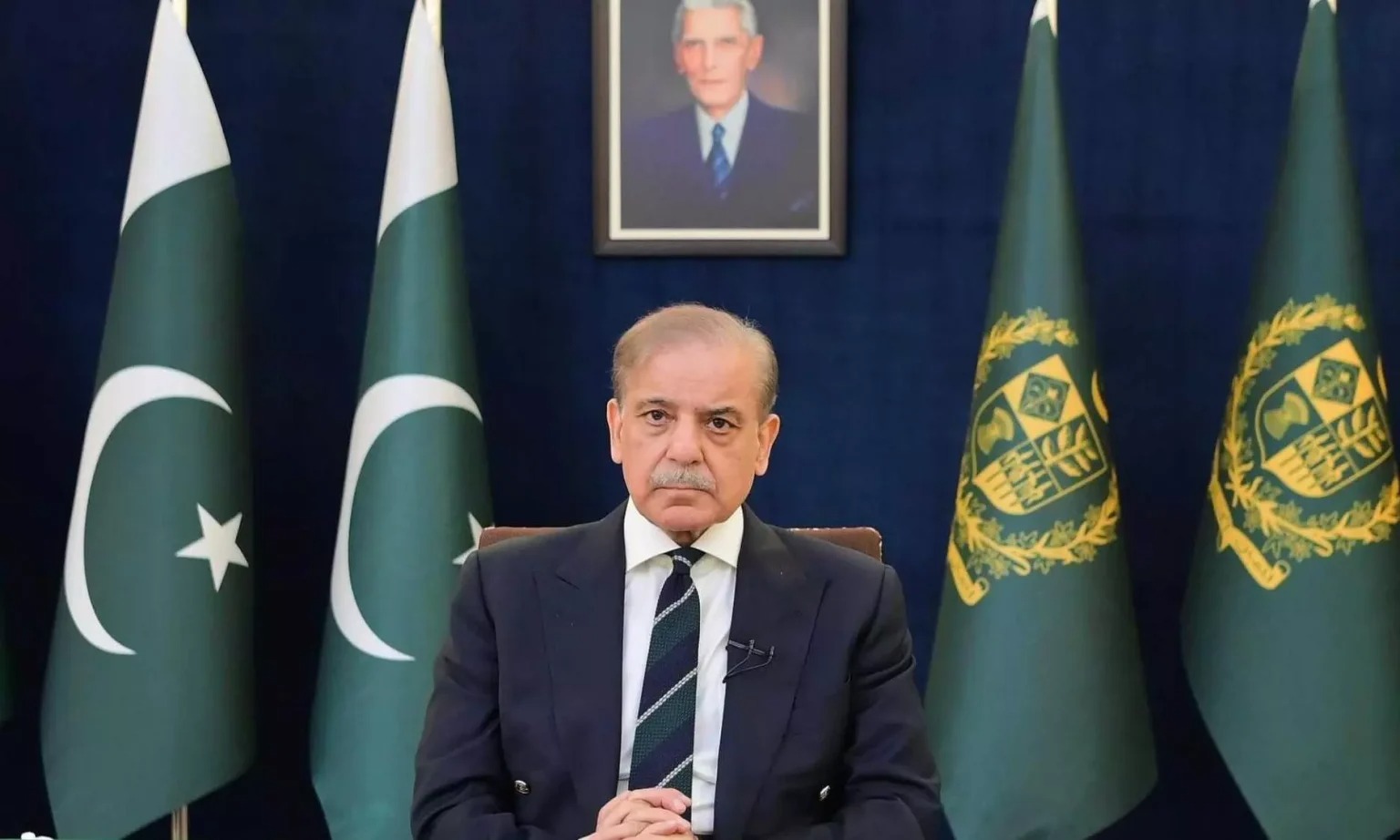
Pakistan's Prime Minister Shehbaz Sharif will travel to Iran to pay respects at the funeral of Supreme Leader Ayatollah Ali Khamenei on July 4, underscoring the diplomatic importance both nations place on their bilateral relationship during a moment of significant political transition in Tehran. The Pakistani foreign ministry confirmed the high-level attendance through a formal announcement at a media briefing in Islamabad on Thursday, signalling Islamabad's commitment to honouring the influential Iranian leader who shaped regional geopolitics for decades.
Foreign Ministry spokesman Tahir Andrabi explained that Shehbaz's participation carries symbolic weight beyond ceremonial attendance. The prime minister will formally convey condolences from Pakistan's government and people to Iran's leadership and the families of Ayatollah Khamenei, a gesture that reflects the deep historical and strategic ties between the two neighbouring Islamic republics. Pakistan has long positioned itself as a bridge between Iran and the broader Muslim world, and this funeral attendance reinforces that diplomatic role.
The visit forms part of a broader regional engagement strategy. Immediately following his time in Iran, Shehbaz will proceed to Turkey at the invitation of President Recep Tayyip Erdogan, expanding what amounts to a significant three-nation diplomatic tour. The planned discussions in Ankara will encompass bilateral matters and wider regional concerns, indicating that Pakistan views this period as crucial for consolidating relationships across key Muslim-majority nations.
A substantial delegation will accompany the Prime Minister on this July 3-5 foreign trip, underlining its importance to Islamabad's foreign policy apparatus. Deputy Prime Minister and Foreign Minister Ishaq Dar will travel alongside Shehbaz, a selection that demonstrates the multi-layered nature of the mission. The inclusion of additional cabinet ministers suggests that various policy portfolios—trade, defence, energy, and regional cooperation—may feature in discussions with both Iranian and Turkish counterparts.
The timing of this visit carries geopolitical significance for Southeast Asian observers. Iran faces a critical transitional moment following Khamenei's death, with implications for regional stability, nuclear negotiations, and the broader balance of power in West Asia. Pakistan's immediate diplomatic presence signals continuity and stability in the Iran-Pakistan relationship, which has historically weathered various international pressures and shifting alliances. For Malaysia and the region, Pakistan's diplomatic choreography demonstrates how major Muslim nations navigate leadership transitions while maintaining strategic partnerships.
Meanwhile, India will dispatch a lower-level representation to the funeral ceremony, sending Bihar state governor Syed Ata Hasnain alongside deputy foreign minister Pabitra Margherita. This contrast in representation levels—Pakistan sending its Prime Minister while India sends provincial and mid-level officials—illustrates differing strategic calculations about the importance of the moment. India's more modest delegation may reflect its complex relationship with Iran, which has been strained by competing regional interests, particularly regarding Afghanistan and Gulf dynamics.
Pakistan's prominent attendance also reflects Islamabad's historical closeness to Iran despite occasional tensions over Afghan refugees, border security, and sectarian issues. The relationship transcends purely governmental connections; significant people-to-people ties, trade networks, and shared religious identity create enduring bonds. By sending his Prime Minister, Shehbaz signals that Pakistan views Iran as a core regional partner worthy of the highest diplomatic respect during a vulnerable transition period.
The subsequent Turkey leg of the journey deserves particular attention from a regional perspective. The tri-nation engagement—Iran, Turkey, and Pakistan—represents three significant Muslim powers with distinct but sometimes overlapping interests in Syria, Iraq, Afghanistan, and Central Asia. Turkey's role as a bridge between East and West, combined with its NATO membership and Middle Eastern engagement, makes Ankara a natural diplomatic hub for addressing regional questions that concern all three nations.
For Malaysian policymakers and observers, this diplomatic choreography illustrates important patterns in contemporary Muslim-majority nation relations. Pakistan's approach to honouring Iranian leadership while simultaneously deepening ties with Turkey demonstrates how major regional players maintain multiple partnerships without necessarily choosing exclusive allegiances. This balancing act mirrors challenges that Malaysia itself faces in maintaining constructive relations across a complex, multipolar Muslim world where strategic interests sometimes diverge but underlying religious and civilisational bonds persist.

