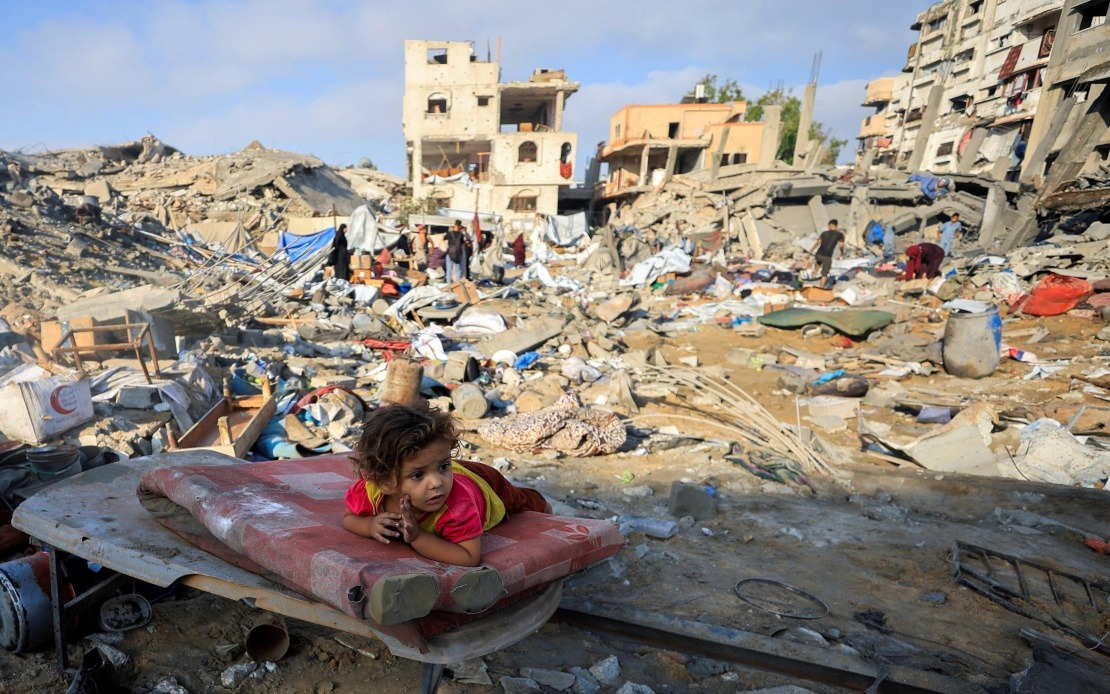
The Palestinian Ministry of Health has declared that the territory's healthcare infrastructure is experiencing its worst crisis in history, signalling the complete breakdown of medical services across Gaza and the occupied West Bank. The statement, issued this week through official channels, underscores deepening concerns about the ability of Palestinian authorities to maintain even basic health provision amid compounding pressures from military conflict, structural collapse of supply chains, and severe budgetary constraints that have left the government unable to sustain operations.
Conditions in Gaza have deteriorated to emergency levels, with hospitals and clinics operating under what officials describe as inhumane circumstances. The healthcare system faces relentless disruption from military operations that have directly targeted medical facilities, compounded by systematic restrictions on the movement of essential supplies into the territory. Shortages of medications, medical equipment, and fuel have pushed healthcare providers to the brink of complete failure, forcing difficult decisions about resource allocation and treatment priorities. For Malaysian observers, the scale of this humanitarian collapse echoes previous crises in conflict zones across Southeast Asia and the Middle East, reminding policymakers of the interconnected nature of health security in fragile regions.
The financial dimension of this crisis represents a parallel catastrophe to the supply disruptions. The Palestinian government's inability to pay salaries, maintain facilities, or purchase supplies has created a vicious cycle where healthcare workers face impossible working conditions without adequate compensation. This has already triggered a exodus of medical professionals who have fled the territory, depriving the system of skilled personnel precisely when demand is highest. Health Minister Majed Abu Ramadan characterised this brain drain as a consequence of extraordinary circumstances, positioning it as an international concern rather than mere professional mobility.
The ministry has issued a pointed appeal to the United Nations, World Health Organisation, International Committee of the Red Cross, and other international bodies to intervene with concrete action rather than statements. This public pressure reflects Palestinian frustration with what officials view as insufficient international response to what constitutes systematic obstruction of humanitarian aid delivery. The specific calls for safe corridors, protection of medical facilities under international humanitarian law, and guaranteed access to medicines represent fundamental requirements for any functioning healthcare system, yet their status as pressing demands rather than baseline expectations illustrates the severity of current conditions.
For regional readers in Malaysia and Southeast Asia, this crisis carries implications beyond Gaza's borders. Palestinian healthcare professionals have established networks across the Middle East and globally, and their displacement affects medical capacity throughout the region. Furthermore, the principle of protecting healthcare facilities during conflict—enshrined in international humanitarian law but repeatedly violated—sets precedents that affect medical systems everywhere, including in countries with their own complex security challenges. Malaysia's position as a regional medical hub and advocate for international humanitarian standards makes this situation particularly relevant to national interests.
The ministry's acknowledgement of West Bank pressures alongside Gaza's more visible crisis indicates that deterioration is occurring across Palestinian territory. Military raids, ambulance movement restrictions, and ongoing financial strain affect healthcare delivery in the occupied territories generally, suggesting a systemic rather than localised problem. This distinction matters because it indicates the problem cannot be resolved through temporary fixes or isolated interventions but requires comprehensive resolution of the underlying political and financial structures.
The framing of healthcare protection as an international legal and moral obligation represents a significant diplomatic shift in Palestinian discourse. By emphasising that denying treatment access, blocking medical supply delivery, and attacking healthcare infrastructure constitute violations of international humanitarian law requiring concrete action, the ministry is building a legal case for international intervention. This approach targets countries like Malaysia that have strong commitments to international humanitarian law and human rights frameworks, potentially mobilising diplomatic pressure through established multilateral mechanisms.
Healthcare workers remaining in Gaza and the West Bank have become symbols of humanitarian persistence under extraordinary adversity. The ministry's public recognition of their sacrifices serves multiple purposes: it acknowledges their hardship, legitimises their claims for international support, and frames medical personnel as victims requiring protection rather than merely as service providers. This human rights dimension elevates the crisis beyond technical healthcare management to a fundamental protection issue with appeal to civil society organisations and advocacy networks.
The coordination mechanisms the ministry mentions—linking Palestinian government, international partners, and local communities—reflect attempts to create alternative supply and funding networks when formal systems have collapsed. These improvised approaches, while laudable, cannot replace systematic solutions. For Malaysian policymakers observing regional stability, the breakdown of institutional capacity in healthcare administration signals broader state fragility that creates humanitarian and security consequences affecting neighbouring regions and international security.
The timing and intensity of this ministry statement suggests escalating desperation rather than merely describing ongoing difficulties. The explicit rejection of any suggestion that Gaza's healthcare workers are leaving voluntarily, combined with emphasis on circumstances "created by the war," represents an attempt to maintain system cohesion and accountability even as the system fractures. This defensive messaging indicates authorities recognise potential collapse and are attempting to preserve institutional legitimacy.
International response will test whether humanitarian obligations translate into policy action. Malaysia's diplomatic positions on Palestinian issues, combined with its experience managing complex health systems, position it as a potential contributor to solutions whether through multilateral forums, direct medical aid, or personnel support. The crisis illuminates how healthcare becomes both a consequence of conflict and a mechanism through which conflicts affect civilian populations most directly.
The ministry's call for international intervention reflects recognition that Palestinian authorities alone cannot resolve the crisis, marking a significant acknowledgement of institutional limits. This opening creates opportunities for coordinated international responses, whether through established bodies like the UN or ad hoc humanitarian initiatives. How the international community responds—with symbolic gestures or material support—will significantly impact whether this humanitarian crisis can be arrested or whether it will deepen further in coming months.

