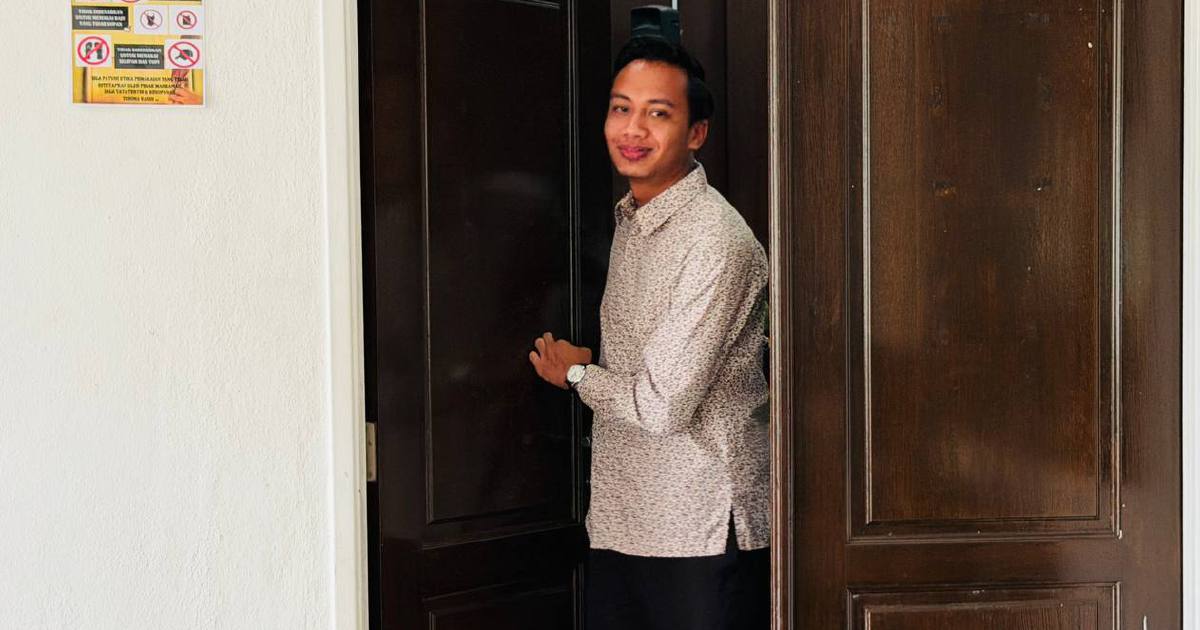
The assault case against Pantai Jerejak state assemblyman Fahmi Zainol has been pushed back once more, with the Sessions Court in Balik Pulau setting August 20 as the new trial date. The adjournment underscores ongoing delays in the legal proceedings against the politician, whose domestic violence charges have drawn considerable public attention and sparked wider conversations about accountability within elected circles.
Fahmi Zainol stands accused of assaulting his wife, a serious allegation that carries significant social and political implications in Malaysia, where incidents involving elected representatives often prompt fresh debate over institutional safeguards and the responsibilities of those in public office. The nature of the charges means the case has attracted scrutiny beyond conventional criminal proceedings, with observers noting how such cases test the independence of the judiciary when prominent figures are involved.
The Balik Pulau court's decision to adjourn proceedings reflects a pattern seen across Malaysian courtrooms, where complex cases involving multiple witnesses, documentation, and procedural requirements frequently encounter scheduling challenges. These delays, while sometimes necessary for proper legal preparation, can extend the emotional and financial toll on affected families and complicate the broader pursuit of justice in sensitive domestic disputes.
With the new August 20 date, Fahmi Zainol faces several months before his trial commences, allowing additional time for both prosecution and defence to prepare their respective cases. This interim period will likely involve further evidence gathering, witness preparation, and legal submissions that shape the eventual proceedings. Court observers have noted that such extended timelines are not uncommon in cases involving allegations of domestic violence, particularly when the accused holds a public position that might complicate witness statements or procedural coordination.
Domestic violence cases involving politicians carry heightened significance in Malaysian society, where cultural attitudes toward family matters and public figures intersect in complex ways. The case's progression through the courts will be watched as a barometer for how the legal system treats assault allegations against the politically connected. For women's rights advocates, such cases represent critical opportunities to demonstrate that no person, regardless of status, stands above the law.
The Pantai Jerejak constituency, located in Penang, has been at the centre of public discourse surrounding this matter. As one of the state's represented areas, the continuing involvement of its assemblyman in legal proceedings naturally raises questions about constituent representation and the broader responsibilities of elected officials. Fahmi Zainol's capacity to perform his parliamentary duties during this extended trial process remains a consideration for voters and party leadership alike.
In Penang and across Malaysia, domestic violence remains a persistent challenge despite increased public awareness campaigns and legal frameworks designed to protect vulnerable family members. Statistics consistently show that physical assault within marriages continues to affect thousands of households annually, many unreported. Cases that involve public figures occasionally catalyse broader institutional reflection on how society addresses such matters at all levels, from police response to court procedures.
The postponement to August 20 provides both the prosecution and defence with extended preparation time, though advocates for timely justice often express concern about lengthy delays in sensitive cases. Extended court calendars can sometimes disadvantage complainants, who may experience repeated emotional trauma as proceedings stretch across months or years. However, ensuring thorough case preparation remains essential for maintaining the integrity of the judicial process.
The Sessions Court system in Balik Pulau handles a diverse docket of cases ranging from criminal to civil matters. When high-profile cases involve elected representatives, court administrators must balance the need for expeditious proceedings with the comprehensive preparation necessary for fair trials. The August 20 date represents the court's latest attempt to establish a firm timeline, though previous adjournments suggest additional delays remain possible depending on unforeseen circumstances or new developments.
Looking ahead, the trial's progression will likely remain monitored by family advocacy groups, political analysts, and legal observers across Malaysia. The eventual outcome may influence broader conversations about how the nation's courts approach domestic violence allegations and whether public position offers any insulation from accountability. Until August 20 arrives, the case remains unresolved, its implications continuing to reverberate through political and civil society discussions across the country.

