The annual pilgrimage to Paris for Couture Week represents fashion's most exclusive moment, where A-list celebrities and style icons converge to witness the industry's most elaborate creations. This season, however, the event unfolded under extraordinary circumstances, as an exceptional heatwave descended on the French capital, transforming the carefully curated front rows into an unexpected crucible for sartorial problem-solving. The convergence of haute couture's exacting standards with meteorological extremes produced a distinctive aesthetic landscape that revealed how even the world's most celebrated dressers adapt their approach when conventional luxury meets practical necessity.
The challenge facing attendees was deceptively complex. Couture Week garners attendance from global fashion's most visible figures, individuals whose wardrobe choices generate international headlines and influence trends across seasons. Yet arriving at an event demanding full-throttle glamour while enduring record-breaking temperatures required navigating competing imperatives – the expectation to deliver visually striking, meticulously considered outfits, paired with the physical reality of extreme heat. The solution emerged not as a retreat from fashion's ambitions, but rather as a reimagining of them, with celebrities demonstrating that practicality and prestige need not be mutually exclusive.
The men's fashion approach proved particularly instructive in this regard. Artists such as Bad Bunny and Hudson Williams embraced oversized tailoring that prioritised airflow without compromising polish. These figures moved away from the traditionally buttoned, layered aesthetic that has long defined formal menswear, instead opting for generously proportioned silhouettes that suggested ease and contemporary sensibility. The strategic removal of shirts beneath blazers and the selection of lighter, neutral colour palettes transformed summer heat from a constraint into an opportunity for modernising menswear codes that have remained largely static for decades. This departure from convention suggests that extreme weather may catalyse lasting shifts in how male celebrities approach formal dressing.
Female attendees pursued comparable strategies through different sartorial languages. Exposed shoulders emerged as a dominant motif throughout the week, though this choice represented pragmatism rather than intentional sexualisation – a distinction important for understanding the nuanced negotiations occurring daily on Couture Week's front rows. Tan Sri Michelle Yeoh exemplified this approach, appearing in a refined black design that channelled understated elegance while facilitating maximum ventilation. The look demonstrated that sophisticated fashion need not be restrictive, and that minimalism can prove more impactful than excessive embellishment when temperatures soar.
The sundress, a garment historically relegated to casual contexts, underwent significant rehabilitation during the week, with variations appearing on numerous attendees seeking solutions that balanced breathability with the formal atmosphere expected at couture presentations. These interpretations elevated the sundress through luxurious fabrication and refined tailoring, transforming a fundamentally casual silhouette into something appropriate for high-fashion settings. Similarly, Priyanka Chopra's selection of a scalloped gown captured the essence of warm-weather dressing while maintaining the dramatic impact couture demands. Such choices suggest that designers and stylists are beginning to recognise that seasonality need not dictate a binary choice between comfort and formality.
Fabric selection emerged as perhaps the most crucial lever in the equation. Silk and silk-adjacent materials dominated attendees' outfits, their natural properties providing temperature regulation without the visual sacrifice of heavier textiles. Lightweight fabrics generally became non-negotiable, yet their deployment maintained a sense of luxury that distinguished them from casual warm-weather alternatives. This emphasis on fibre composition over quantity demonstrates sophisticated understanding that materials themselves, rather than volume of clothing, determine whether an outfit reads as genuinely fashionable or merely underdressed.
Hemline length also proved strategically significant. Shorter skirts and dresses became prevalent, framed not as deliberate nods toward revealing skin but rather as logical responses to environmental conditions. The decision created secondary benefits – enhanced freedom of movement and circulation became relevant fashion considerations alongside traditional concerns of silhouette and proportion. That such practical elements now factor into high-fashion calculus indicates broader shifts occurring within the industry regarding which considerations designers and attendees legitimise as influencing their choices.
Stylist Ejae's decision to carry a simple black folding fan offered perhaps the most direct articulation of the week's underlying theme. Rather than pretending the heat didn't exist or treating it as an obstacle to overcome through sheer force of fashion willpower, the fan acknowledged environmental reality while adding a deliberately considered accessory that complemented the overall presentation. This move encapsulates a growing sophistication in how fashion handles constraint – not by denying circumstances, but by elegantly accommodating them as integral to the story each outfit tells.
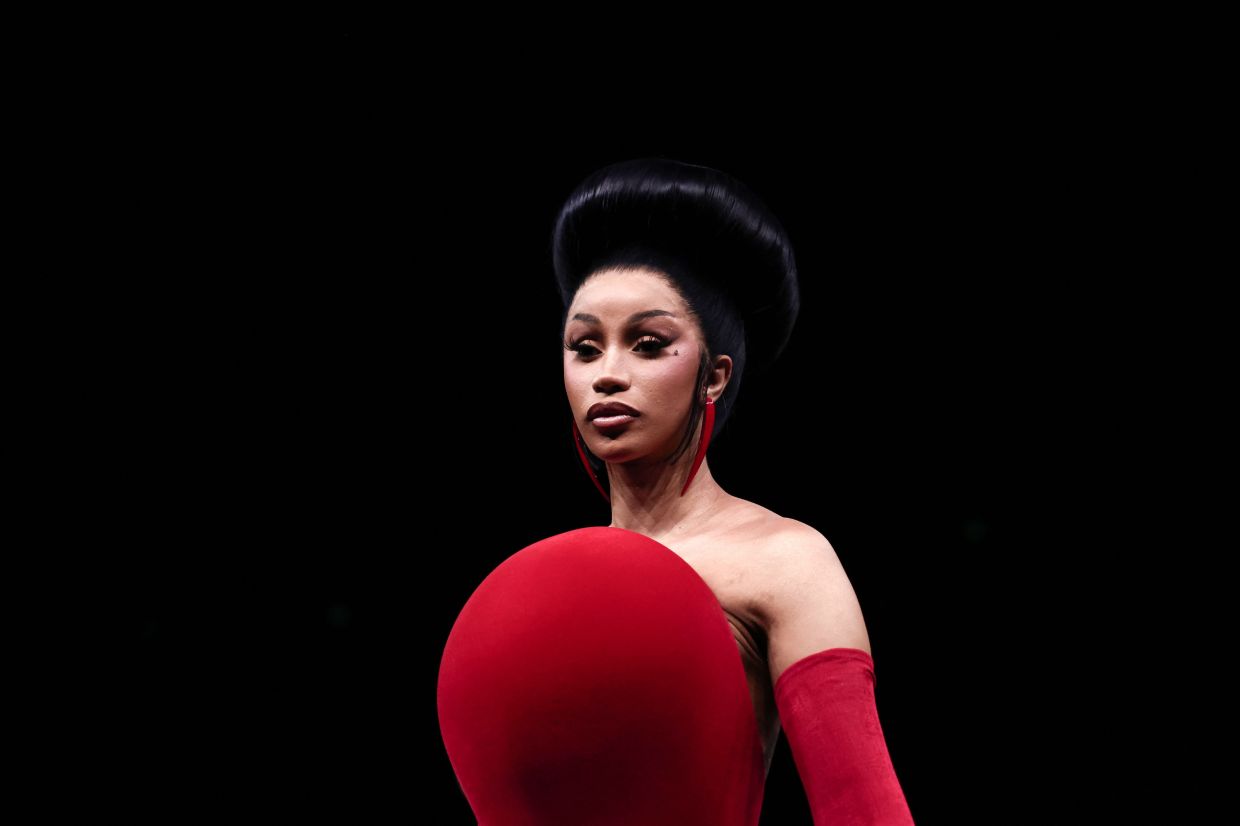
Cardi B provided an instructive counterpoint to these strategies. Her sculptural, exceptionally fitted silhouette represented a deliberate rejection of the comfort-conscious approach that dominated the week's dress codes. This choice commanded attention precisely because it defied the logic that the broader fashion community appeared to embrace. Her willingness to prioritise visual spectacle and avant-garde impact over practical concessions suggested that at couture's highest echelons, commitment to uncompromising design vision can still transcend climatic realities.
The broader significance of Couture Week's heatwave extends beyond immediate fashion commentary. As climate change increases the frequency and intensity of extreme weather events globally, fashion's largest public-facing moments may increasingly occur under such conditions. This season's performances hint at how the industry might evolve in response – not through abandoning luxury or visual standards, but through developing more sophisticated relationships with fabric, volume, proportion, and the human body's practical needs. The celebrities navigating Couture Week's sweltering front rows inadvertently demonstrated that fashion's future may involve becoming simultaneously more considered and more human in its accommodation of physical reality.

