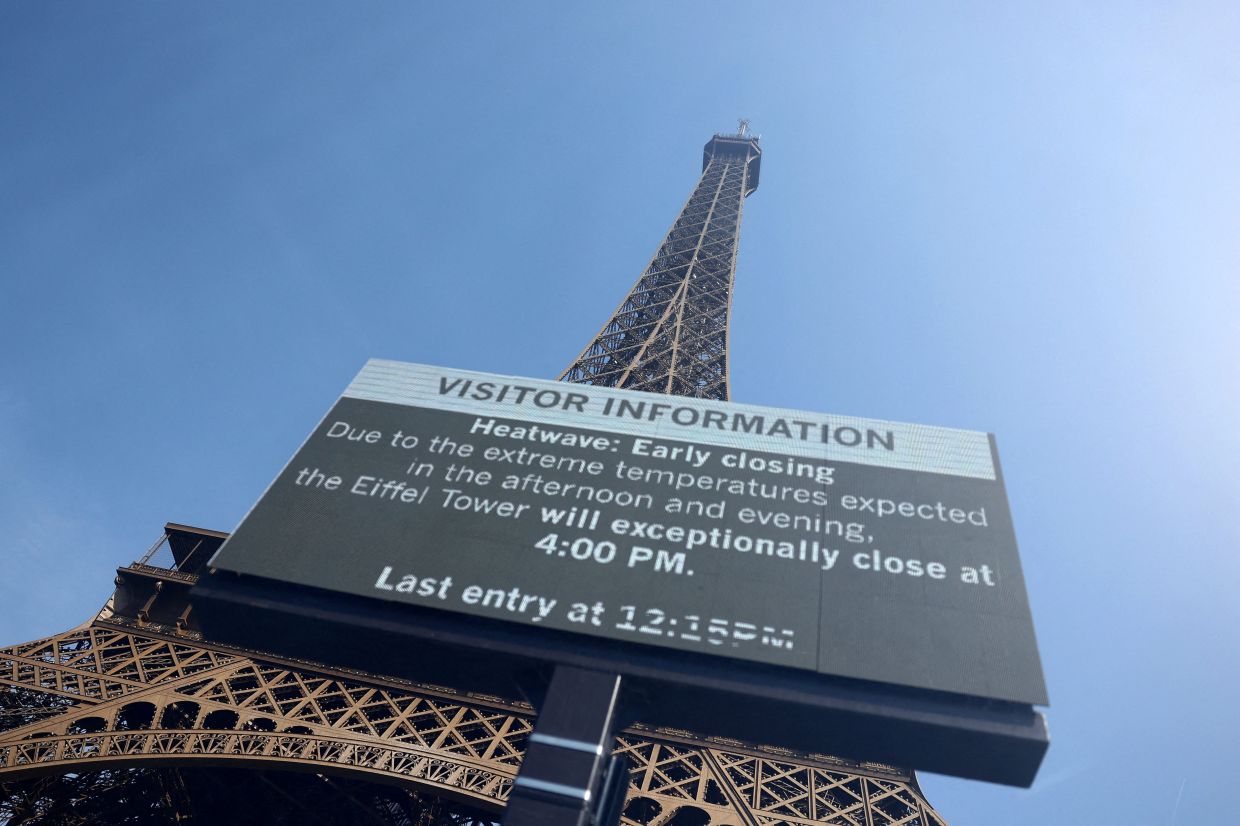
France experienced its most intense heatwave in decades this week, with June 23 marking the hottest day since temperature records began in 1947. The oppressive conditions have proven disastrous for Paris's tourism sector, forcing the early shutdown of the city's most celebrated landmarks and leaving thousands of international visitors struggling to salvage their vacations. The Eiffel Tower and the Louvre Museum, two monuments that draw millions annually, both announced they would curtail operations or close entirely as soaring temperatures and dangerous conditions made it unsafe or impossible for visitors to enjoy these sites.
The impacts have been immediate and deeply felt by tourists who invested considerable time and money planning their trips. Maite Blazques, a nurse from Madrid, had spent months saving to take her six-year-old son to Paris, only to find her carefully planned itinerary upended by the extreme weather. She reluctantly scrapped visits to the historic Marais district, cancelled a river cruise along the Seine, and abandoned hopes of ascending the Eiffel Tower to see the city from above. The emotional toll was evident as she spoke about the disappointment, forced to pivot her family holiday to indoor alternatives just to protect her child from the dangerous heat conditions gripping the capital.
The Eiffel Tower, which attracts approximately seven million tourists annually and typically remains open past midnight during peak season, announced it would exceptionally close at 4pm on June 23. Management indicated that further abbreviated hours were highly probable in the days ahead as the heat persisted. American visitor Tamara Dancer had arranged a guided tour only to watch it cancelled that Tuesday afternoon, a disruption that significantly diminished what was supposed to be a memorable experience. These closures represent an extraordinary measure for a monument that prides itself on accessibility and extended operating hours to accommodate the massive international visitor base.
Beyond the major attractions, the broader tourism experience in Paris has become almost unbearable for visitors attempting to explore on foot. John Beeler, a 45-year-old American engineer visiting with his wife, described the conditions as making the city nearly unliveable for tourists. Walking through streets that radiated intense heat, navigating underground metro systems where temperatures soared dangerously high, and returning to non-air-conditioned accommodations all created a cascading series of challenges that made sightseeing virtually impossible. He and his wife made the decision to relocate to a hotel room with proper climate control, a solution unavailable to many other budget-conscious travellers.
Drake Winners, a 66-year-old retired visitor from London, articulated a fundamental problem with experiencing Paris during such extreme conditions: the city's greatest appeal lies in wandering its streets and absorbing its character through exploration. The suffocating heat rendered this quintessential Parisian experience impossible. He resorted to spending his time inside museums and churches, spaces that at least offered shelter and cooler temperatures. While the Louvre remained technically open, museum management acknowledged that the vast palace, constructed and renovated over centuries by successive French rulers, was fundamentally inadequate for dealing with modern climate extremes.
The Louvre, which welcomes approximately nine million visitors annually and houses priceless works including Leonardo da Vinci's Mona Lisa, faces particular challenges adapting to extreme heat conditions. Beyond the immediate crisis, museum directors have stressed that the institution was "not sufficiently adapted to climate change," raising serious questions about the long-term viability of preserving invaluable artworks and maintaining visitor comfort. This admission carries significant implications for cultural institutions across Europe that house irreplaceable collections but were designed and built during periods when such intense heat was virtually unthinkable.
The museum sector has faced mounting operational difficulties extending well beyond the current heatwave. Over the preceding year, the Louvre endured a brazen jewellery heist valued at approximately US$100 million (RM414 million), experienced water leaks that threatened its collections, and confronted various other maintenance and structural issues. The extreme heat crisis has compounded these existing vulnerabilities, straining already-stretched management resources and raising fundamental questions about heritage preservation in an era of accelerating climate change.
The crisis extends far beyond Paris's most famous sites. Throughout mainland France, more than half the territory remains under the nation's highest weather alert level. Mont Saint-Michel, the iconic island fortress in Normandy and the most visited tourist destination outside the greater Paris region, issued explicit guidance urging visitors to postpone their visits entirely during the red alert period. Such warnings underscore the severity and geographic breadth of the heat emergency, which is not merely inconveniencing tourists but creating potentially dangerous conditions across popular travel zones.
For Southeast Asian travellers and tourism professionals monitoring European trends, this situation offers a sobering preview of challenges that warmer climates may face more frequently. The capacity of beloved cultural landmarks to function during extreme heat events, the adequacy of infrastructure in historic buildings, and the fundamental question of whether certain seasons will become unsuitable for major tourism all merit serious consideration. The situation in Paris demonstrates that even wealthy nations with advanced resources struggle to adapt their heritage tourism sector to climate extremes, with implications for how countries worldwide manage cultural tourism during intensifying heat periods.

