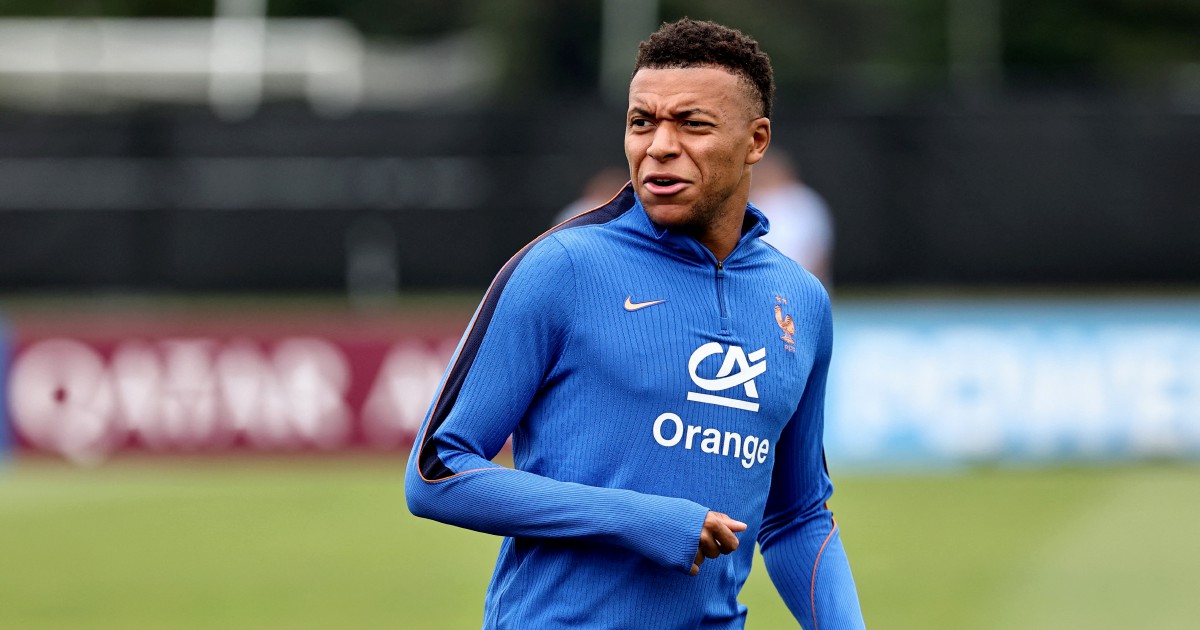
French prosecutors in Paris announced Tuesday the initiation of an official investigation targeting a Paraguayan parliamentarian over statements concerning national football captain Kylian Mbappe, signalling heightened concern over international commentary regarding the renowned athlete.
The decision to launch a formal inquiry represents a notable escalation in sensitivity surrounding remarks directed at Mbappe, one of global football's most prominent figures and a central pillar of France's sporting identity. The French public prosecutor's office determined that the nature and content of the comments warranted official scrutiny and potential legal examination, indicating that threshold-level concerns had been crossed.
While the specific content of the Paraguayan legislator's statements remains unclear from initial reports, the willingness of French authorities to pursue investigation suggests the remarks may have ventured into territory considered defamatory, discriminatory, or otherwise legally problematic under French law. The incident underscores how modern communications technology enables statements made in one hemisphere to rapidly circulate globally and trigger formal institutional responses across borders.
Kylian Mbappe occupies a unique position in contemporary football, transcending sport as a cultural ambassador and representative of French excellence on the international stage. At merely 25 years old, he has already accumulated championships, awards, and a global profile comparable to previous generations' greatest athletes. Any assault on his character or reputation therefore carries implications extending beyond athletics into national prestige and soft power dynamics.
The investigation's international dimension introduces complications absent in purely domestic cases. Paraguay, located in South America's interior and substantially distant from French institutional oversight, presents jurisdictional complexities. French authorities must navigate questions of whether comments made by a foreign lawmaker within their home country's legislative context can legally fall under French prosecution, or whether international diplomatic channels and bilateral relations demand alternative approaches.
This incident reflects broader patterns whereby statements about athletes increasingly trigger legal scrutiny, particularly when those athletes represent powerful nations or symbolise national identity. The digitised nature of modern communication means that local political discourse can instantly acquire international dimensions, exposing speakers to jurisdictions and legal frameworks they may not have anticipated or considered.
For Southeast Asian observers, particularly those in Malaysia where large diasporas follow European football with intense passion, such developments highlight how globalised sports culture becomes intertwined with geopolitics and law. Regional football enthusiasts and commentators should recognise that statements about international stars, while often intended for domestic audiences, potentially attract formal investigation and legal consequences in the athletes' home countries.
The Paraguayan lawmaker's identity and the precise nature of the remarks awaited fuller revelation as the investigation progressed. Whether motivated by political grandstanding, cultural criticism, or other considerations, the decision to investigate demonstrates France's protective stance toward one of its most valuable national assets in international sports and diplomacy.
The prosecution's action also reflects contemporary sensitivities about online discourse and international relations. In an era where social media amplifies statements instantaneously across continents, national governments increasingly scrutinise foreign commentary involving their citizens, particularly celebrities. This trend raises important questions about freedom of expression, diplomatic propriety, and the appropriate boundaries of international commentary.
Mbappe's recent transfer to Real Madrid intensified his international profile and commercial value, making any reputational damage potentially consequential. French authorities' readiness to investigate suggests they view protection of national sporting ambassadors as sufficiently important to warrant prosecutorial resources and attention, even when allegations originate from distant legislators.
The investigation's outcome remains uncertain, but the mere initiation signals France's commitment to defending Mbappe's interests and reputation. Whether the Paraguayan lawmaker faces meaningful consequences, or whether diplomatic and procedural obstacles ultimately limit the investigation's impact, the decision to pursue the matter underscores evolving norms surrounding international discourse about celebrity athletes and national figures in an interconnected world.

