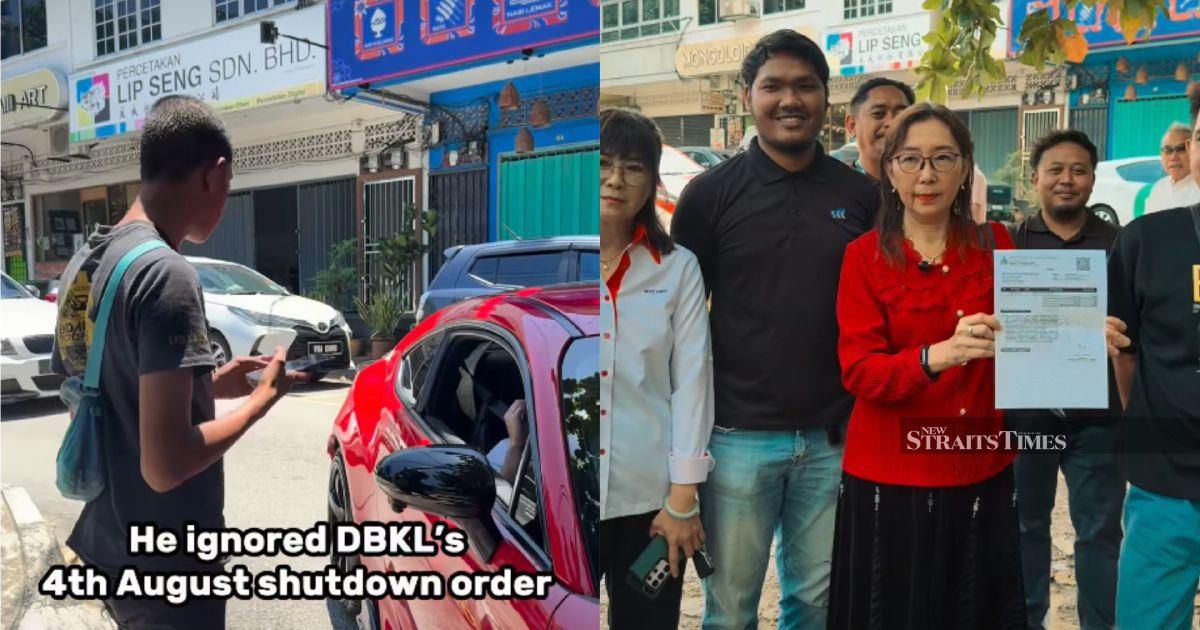
A man operating as an unlicensed parking tout in Kuala Lumpur's Taman OUG residential area has been taken into custody following a series of enforcement actions and an alleged assault on a municipal officer. The suspect, who had been collecting parking fees along Jalan Hujan without proper authorisation, was apprehended after persistently ignoring multiple warning notices issued to cease the illegal activity.
The arrest underscores an ongoing challenge for local authorities managing informal parking collection schemes in established residential neighbourhoods across the capital. Taman OUG, a densely populated area in the Oug district, has long struggled with parking congestion, creating opportunities for unlicensed individuals to exploit the situation by levying unauthorised charges on vehicle owners. Such informal collection systems operate outside municipal oversight and deny legitimate revenue to local government bodies tasked with infrastructure maintenance and improvement.
According to enforcement records, the individual had received multiple notices directing him to discontinue the parking collection activity. Rather than comply, he continued operating in the same location, suggesting either a disregard for official directives or a belief that the likelihood of sustained enforcement action was low. This pattern of non-compliance escalated the situation, prompting authorities to conduct a more formal intervention.
The alleged assault during the enforcement operation represents a significant escalation and highlights the risks faced by municipal officers conducting routine compliance checks. When confronted by enforcement personnel attempting to apprehend him, the suspect allegedly turned physically aggressive, attacking the officer during the altercation. Such incidents complicate enforcement efforts and can deter officers from pursuing cases they believe may result in confrontation.
Unlicensed parking collectors represent a persistent problem in Malaysian urban centres, particularly in older residential areas where formal parking infrastructure remains inadequate. These individuals essentially operate a tax on convenience, charging vehicle owners for street parking that should ideally be managed through transparent municipal systems. Beyond the revenue loss to local authorities, these schemes can breed resentment among residents and create perceptions of lawlessness within communities.
The case reflects broader issues surrounding informal economy enforcement in Malaysian cities. Authorities face a balancing act between maintaining public order and managing large numbers of individuals who generate income through marginal economic activities. While sympathetic to the employment concerns, city administrators must protect legitimate municipal functions and ensure that public spaces remain accessible without hidden taxes imposed by unauthorized operators.
Taman OUG's parking challenges stem partly from urban density outpacing infrastructure development. As residential areas mature, vehicle ownership typically increases while parking provision remains static. This mismatch creates precisely the conditions where informal parking management flourishes. Rather than relying on unlicensed collectors, the municipality should address underlying supply constraints through targeted parking development, permit systems, or improved public transport connectivity.
The enforcement action signals a renewed focus on regulating informal parking activities in residential zones. Authorities recognise that tolerating such operations normalises circumvention of official channels and undermines municipal credibility. Each unchecked informal collector removes further legitimacy from formalised systems, making it harder for residents to distinguish between authorised and unauthorised fee collection.
Moving forward, addressing this issue requires a comprehensive approach combining consistent enforcement with infrastructure solutions. Residents in densely populated areas like Taman OUG need clarity on legitimate parking arrangements and assurance that fees collected serve community interests. The incident also highlights the importance of officer safety protocols during enforcement operations, particularly when apprehending individuals who may respond confrontationally.
For Malaysian readers and property owners in similar neighbourhoods, this case serves as a reminder to verify the legitimacy of anyone demanding parking fees. Official municipal parking systems typically operate through marked signage, formal receipt books, and published tariffs. Informal collectors operating without visible authorisation represent unlicensed taxation and should be reported to local authorities rather than paid.
The arrest demonstrates that municipal enforcement agencies remain willing to pursue cases of non-compliance, even when individuals attempt to resist through intimidation or physical force. However, sustainable solutions require addressing the underlying demand that allows such schemes to persist, particularly in high-density residential areas where parking remains a perennial challenge for both residents and administrators.

