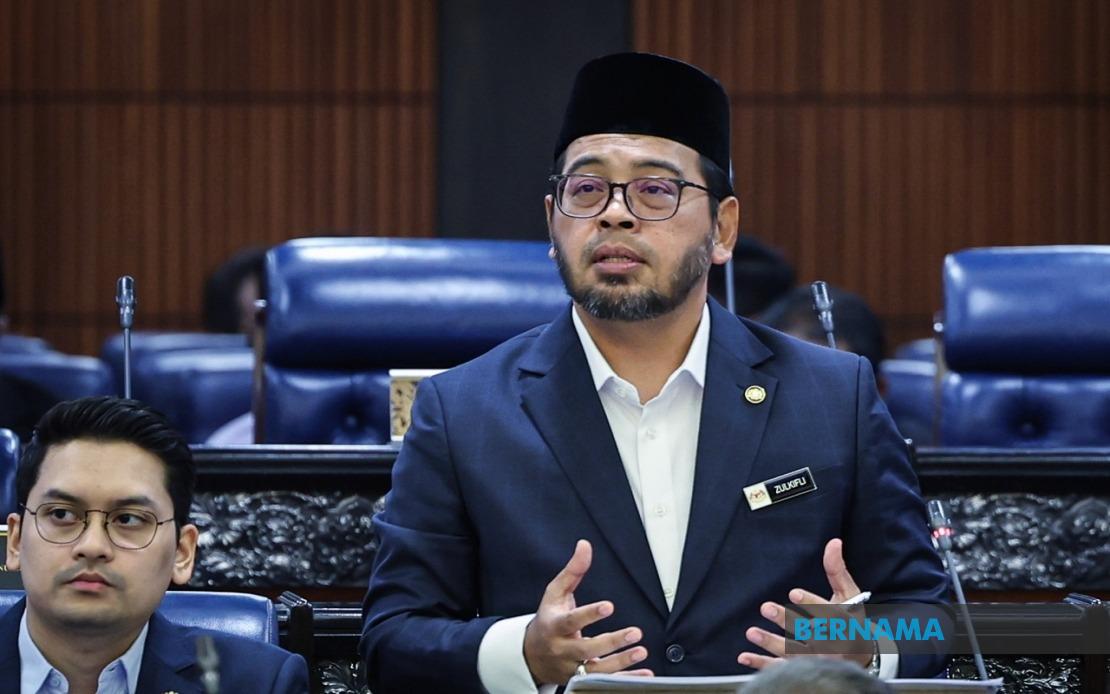
Parliament erupted into an extended debate over the governance crisis at Lembaga Tabung Haji (TH) during a special sitting focused on the Royal Commission of Inquiry's findings, with legislators across the chamber demanding nothing short of institutional transformation. The ten-hour session revealed the scale of financial mismanagement that has jeopardised the savings of more than ten million Malaysian Muslims preparing for their haj pilgrimage, prompting sharp calls for accountability and systematic reform.
The financial damage disclosed during the debate underscores why the RCI investigation became necessary. Nearly RM13 billion has been lost across fourteen investments, with seven of these entirely wiped out. The government bore RM10.2 billion of this burden through a 2018 rescue package via Urusharta Jamaah Sdn Bhd, while TH itself absorbed a further RM2.6 billion in impairment losses between 2018 and 2025 as remaining troubled investments deteriorated. These figures represent a profound breach of trust against ordinary Malaysians who entrusted their pilgrimage savings to what should have been a secure institution.
Among the particularly egregious cases examined was the Al-Rawda transaction, which saw TH pay 1.4 billion Saudi riyals—approximately RM1.5 billion—to an intermediary for rights to lease four hotels in Madinah and Makkah. The arrangement collapsed when the intermediary failed to pay rental fees owed to TH, forcing a full RM1 billion impairment write-down in 2024. This example crystallises the poor investment oversight and questionable decision-making that characterised TH's operations during the 2014 to 2020 period examined by the Commission.
Parliamentarians focused much of their attention on preventing future disasters through legislative and structural changes. Amendments to the Tabung Haji Act 1995 topped the reform agenda, alongside demands for strengthened investment oversight and financial controls that would insulate the institution from poor judgement and misconduct. The RCI documented twenty-five recommendations for improvement, of which seventy-five percent had been implemented by late July, yet lawmakers wanted assurance that reform would extend beyond administrative adjustments to fundamental governance architecture.
A critical theme emerged throughout the debate: the need to separate TH's operational integrity from political influence and individual personalities. Minister in the Prime Minister's Department Dr Zulkifli Hasan captured this sentiment when he emphasised that institutional strength must rest on robust systems rather than relying on particular individuals. His assertion that "individuals may change, but the system and governance principles must remain" reflected a hard-won lesson from TH's failures and resonated with the chamber's broader frustration that poor governance had exposed depositors to avoidable losses.
The issue of accountability loomed large throughout the proceedings. Parliamentarians insisted that RCI findings must trigger thorough, transparent investigations into misconduct, with appropriate enforcement action against those responsible for breaches of duty. The government noted that several individuals had already been detained pending investigations into alleged bribery, abuse of authority, and governance violations. Yet lawmakers demanded more systematic follow-up, welcoming a proposal for a multi-agency task force to investigate investments at heightened risk of future losses—a recognition that institutional memory and coordinated oversight had been absent.
For Malaysian Muslims planning to perform haj, the recovery measures implemented since 2018 have provided concrete relief despite the underlying institutional turmoil. TH has maintained the pilgrimage cost at RM33,300 across three consecutive seasons from 2024 to 2026, a deliberate policy choice to shield pilgrims from bearing the full financial impact of past mismanagement. This stability, while welcome, masks the deeper problem that governance failures had necessitated government rescue funding rather than strong internal controls preventing losses in the first place.
The government's initial decision to delay publication of the RCI report until late July was scrutinised during debate, with the administration maintaining that the timing allowed TH space to implement recommendations and stabilise its operations before public disclosure. Finance Minister II Datuk Seri Amir Hamzah Azizan detailed the recovery strategy, emphasising that investigation, asset recovery, and legislative strengthening would combine to restore public confidence. Yet the sheer magnitude of losses acknowledged by the minister suggested that public trust would require sustained, visible action rather than mere assurances.
The participation of thirty-nine MPs in the extended sitting underscored the issue's political salience and the widespread concern about protecting depositors' interests. However, the boycott by several opposition legislators drew sharp criticism from colleagues, with government and backbench MPs contending that refusing to engage represented a dereliction of parliamentary oversight responsibility toward the millions of affected Malaysians. The exchange highlighted how TH's failures had become sufficiently consequential to transcend partisan calculation.
For the Southeast Asian region, TH's travails offer instructive lessons about the risks inherent in managing large pools of religiously-designated savings. The institution's experience demonstrates how inadequate governance frameworks, weak investment controls, and insufficient transparency can transform a trusted financial intermediary into a vehicle for substantial wealth destruction. As other Muslim-majority nations develop their own haj savings schemes, TH's documented mistakes and the parliamentary response provide a cautionary blueprint for the architectural safeguards necessary to prevent similar crises.
Moving forward, the success of TH's rehabilitation will depend on whether the current reform momentum translates into durable systemic changes. The RCI's twenty-five recommendations provide a framework, but only rigorous implementation of strengthened legislative provisions, robust governance structures insulated from political pressure, and effective enforcement against past misconduct will genuinely restore the confidence of ten million Malaysians whose pilgrimage dreams depend on the institution's integrity. The parliament's demand for accountability and reform reflects a recognition that institutional redemption requires more than financial recovery—it demands a fundamental recalibration of how TH operates and who it prioritises.

