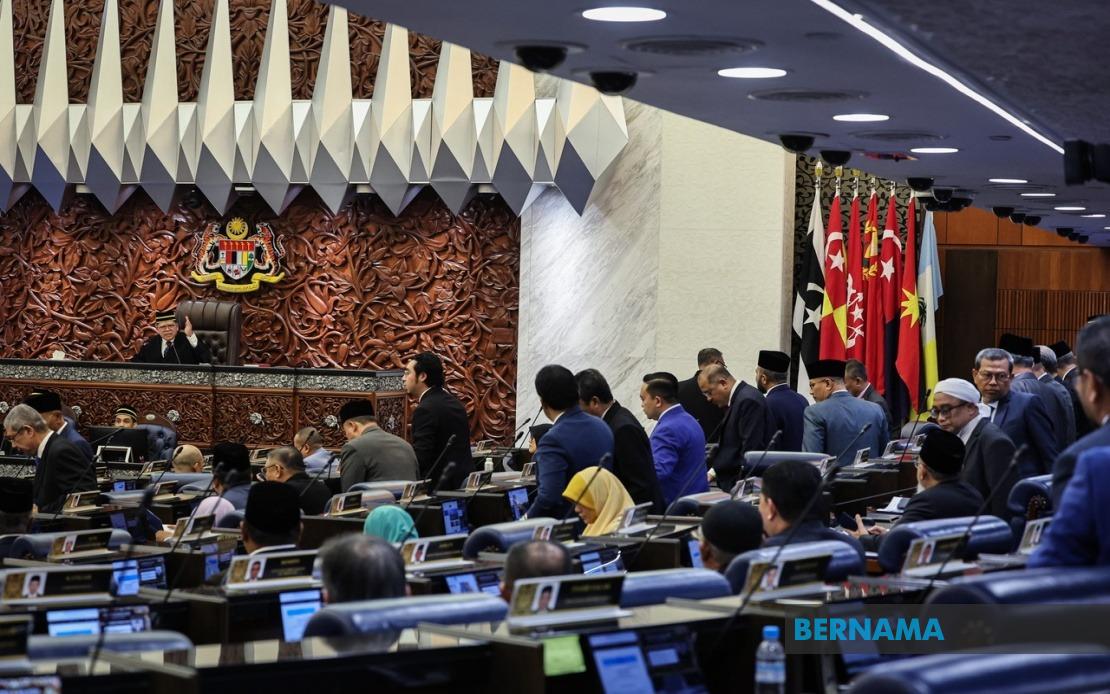
Parliament made room for cross-party scrutiny of the Royal Commission of Inquiry findings on Tabung Haji during a specially convened sitting, reflecting the legislature's commitment to examining governance lapses at the Islamic pilgrimage fund. Speaker Tan Sri Johari Abdul confirmed that MPs from both government and opposition benches would have the opportunity to discuss the RCI's key conclusions in a forum designed to serve the broader public interest.
The extraordinary session proceeded under the framework of Standing Order 11(3), which permits the Speaker to convene additional parliamentary sittings at the request of the Prime Minister. Datuk Seri Anwar Ibrahim submitted a formal notice requesting the sitting, and Tan Sri Johari determined that the constitutional authority granted to him through this Standing Order obligated him to grant the request. This procedural step underscores how Malaysian parliamentary governance provisions accommodate urgent matters of national concern by allowing flexibility in the legislative calendar.
The decision to grant floor time for extensive debate reflects an underlying tension in Malaysian politics between governmental stability and legislative accountability. By enabling a full parliamentary airing of the RCI findings before any ministerial briefing, the Speaker signalled that Parliament's role as a scrutiny body remains valued even when the executive branch faces reputational challenges. This distinction matters for how constituencies perceive institutional checks and balances, particularly when public bodies entrusted with citizens' savings face serious questions.
Tabung Haji itself occupies a distinctive position in Malaysian governance as both a religious institution and a significant financial repository. The fund serves millions of Malaysians preparing for the hajj pilgrimage while managing billions in assets. Any revelations about mismanagement or governance failures therefore carry implications beyond individual wrongdoing, touching on public confidence in institutions specifically designed to serve Malaysia's Muslim majority. The RCI's investigation suggests systemic issues warranted closer examination at the parliamentary level.
The Speaker's emphasis on transparency gained particular weight given Malaysia's recent history of corporate governance scandals and recovery efforts. Public discourse around institutions like 1Malaysia Development Bhd has made voters and observers more attuned to demands for institutional accountability. By facilitating parliamentary debate rather than attempting to contain discussion, lawmakers signalled receptiveness to this evolving civic expectation. The willingness to convene a special sitting sends a message that serious governance questions will receive legislative attention.
For Malaysian investors and ordinary citizens with Tabung Haji accounts, the parliamentary discussion offered reassurance that elected representatives intended to examine the RCI's conclusions seriously rather than allow findings to languish in obscurity. The religious and financial dimensions of the fund meant that questions about its management resonated across Muslim communities nationwide. Parliamentary visibility of the inquiry outcome provided a mechanism for public grievances to find expression through formal institutional channels.
The procedural reliance on Standing Order 11(3) also illustrated how Malaysia's constitutional framework provided for legislative flexibility when national issues demanded urgent attention. The Speaker's invocation of this provision indicated that both executive and legislative branches recognised the investigation's seriousness. Prime Minister Anwar's decision to formally request the sitting suggested cabinet acknowledgement that the RCI conclusions merited comprehensive parliamentary examination rather than routine administrative processing.
International observers monitoring Malaysian governance institutions would likely view the special sitting as evidence of functional separation between branches. The establishment of conditions allowing opposition scrutiny of executive-related failures demonstrated that parliamentary oversight mechanisms could operate even when the executive branch faced institutional embarrassment. Such procedural commitments to debate before ministerial defence of a report carry significance for assessments of democratic resilience.
The timing and nature of the sitting also bore implications for how Malaysian authorities addressed financial institution governance more broadly. Securities Commission oversight, Bank Negara Malaysia monitoring, and parliamentary engagement all contributed to the ecosystem of institutional surveillance. The Dewan Rakyat's decision to facilitate debate signalled that financial accountability extended to religious institutions as well as purely commercial entities, reinforcing principles of universal governance standards.
Moving forward, the parliamentary debate would likely establish benchmarks for how Malaysia's institutions handled subsequent governance crises. The precedent of convening a special sitting for RCI discussion suggested that future inquiries into major institutions might expect similar legislative forums. This development could strengthen incentives for thorough investigative work by royal commissions, knowing their findings would receive public parliamentary examination rather than confidential bureaucratic review.
The Speaker's statement ultimately reflected recognition that public governance depended on transparent institutional mechanisms accessible to elected representatives and ultimately to voting constituencies. By enabling MPs to debate the RCI findings, Parliament engaged its core constitutional function of holding the executive and public institutions accountable. Whether opposition and government members would cooperate in constructive scrutiny or employ the forum for partisan advantage remained to be seen, but the institutional machinery for accountability had been activated.

