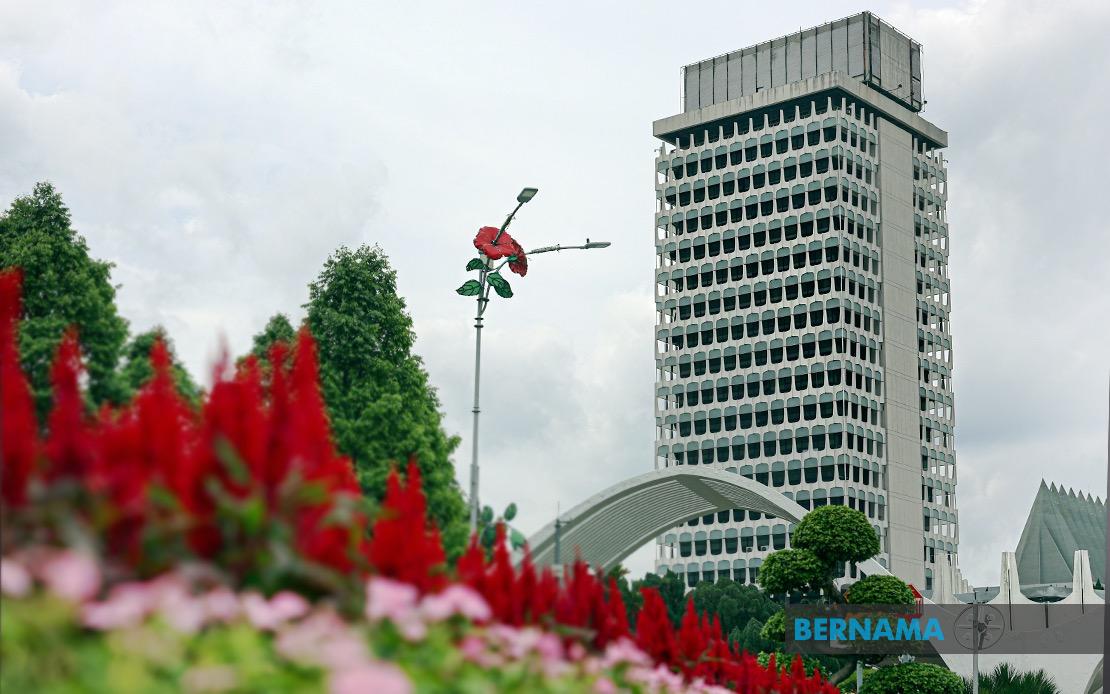
A rare show of parliamentary consensus emerged on August 11 as lawmakers across government and opposition benches called for urgent amendments to the Tabung Haji Act 1995 to address governance failures and reduce political interference in the institution's operations. The debate followed the government's release of a comprehensive Royal Commission of Inquiry report into Tabung Haji's management between 2014 and 2020, which detailed systemic weaknesses and proposed 25 recommendations for reform. With the parliamentary session providing a platform for detailed examination of the findings, multiple MPs articulated a shared concern: that political meddling has compromised an institution entrusted with the savings of millions of Malaysians planning to perform the Hajj pilgrimage.
At the centre of lawmakers' concerns lies Section 10 of Act 535, which grants the Minister broad powers to issue general directions to Tabung Haji. Datuk Shahelmey Yahya from Putatan highlighted how this concentrated authority has historically enabled decision-making divorced from institutional performance and commercial prudence. He argued that excellence cannot flourish when political calculations overshadow financial strategy, directly linking the provision to Tabung Haji's documented performance deterioration and balance sheet damage. The accumulated effect of allowing ministerial discretion to override board judgment, according to parliamentary testimony, has eroded the professional autonomy necessary for sound Islamic financial management.
Several MPs specifically emphasised that board appointments must transition from being mechanisms of political patronage to merit-based selection processes. Tan Sri Muhyiddin Yassin advocated for implementing the RCI's institutional recommendations comprehensively, including structural improvements to Act 535 itself and enhanced oversight through Bank Negara Malaysia or comparable regulatory authorities. Syed Saddiq Syed Abdul Rahman stressed the critical importance of legislating transparent, professional appointment procedures that would institutionalise merit-based governance and prevent a recurrence of the weaknesses documented by the inquiry. The underlying argument—articulated across party lines—suggests that removing political discretion from personnel decisions would restore credibility and professionalism to Tabung Haji's leadership structure.
Mohamad Shafizan Kepli articulated the personal stakes involved, framing governance weakness as a betrayal of ordinary depositors who have accumulated savings specifically for religious pilgrimage. He characterised poor governance as potentially crippling to Tabung Haji's operations as an Islamic financial institution and warned against allowing ordinary Malaysians to become collateral damage in institutional mismanagement. This framing—connecting abstract governance questions to the financial security of millions of savers—proved persuasive across ideological divides and underscored why rapid legislative reform garnered support from Padang Serai, Bentong, Simpang Renggam, and Langkawi representatives alike.
The RCI's investigation uncovered extensive operational and managerial failures spanning the 2014-2020 period, culminating in 25 formal recommendations. By the time of the parliamentary debate on July 30, Tabung Haji management had reportedly implemented 75 percent of the recommendations, suggesting institutional acknowledgment of the need for change. However, lawmakers emphasised that voluntary institutional compliance measures fall short without legislative backing. The Act 535 amendments remain essential because they would embed safeguards into law, preventing future administrations from reverting to prior patterns and guaranteeing that governance improvements outlast political transitions.
The parliamentary consensus on expediting amendments reflects broader concerns within Malaysia's financial regulatory ecosystem about governance standards in institutions holding substantial public deposits. Islamic financial institutions, in particular, operate under dual accountability—both to prudential financial standards and to Syariah compliance principles. The debate highlighted how political interference compromises both dimensions, as decisions shaped by electoral calculations rather than Islamic financial ethics undermine both depositor protection and institutional credibility as repositories of religiously significant savings. This dual-accountability framework makes Tabung Haji's governance failures particularly acute and reform particularly urgent.
Implementing the RCI recommendations extends beyond Act 535 amendments to encompass structural measures such as establishing independent investment committees and restructuring the portfolio to ensure compliance with Syariah investment principles. These recommendations recognise that governance failure operated across multiple dimensions—not only in political appointments and ministerial overreach, but in investment decision-making processes that lacked adequate independence and scrutiny. The committee structure and portfolio management reforms, paired with reduced ministerial discretion, would create systemic checks against future governance deterioration and align Tabung Haji's operations with contemporary standards for Islamic financial institutions across the region.
For Malaysian readers and depositors, the parliamentary urgency around amendments carries immediate relevance. Tabung Haji manages pilgrim savings accumulated over years, sometimes decades, representing life-changing accumulations for many families. The governance failures documented by the RCI therefore affected not abstract institutional performance metrics but the tangible savings of millions of Malaysians. Reformed governance structures and merit-based appointments would theoretically enhance the likelihood that professional managers prioritise depositor protection and prudent investment practices rather than responding to political pressures. The parliamentary debate thus transformed governance reform from a technical institutional matter into a personal financial security issue.
The government's decision to make the RCI report public and facilitate parliamentary debate signals official acknowledgment that governance reform requires legislative action and cannot rely solely on administrative improvements. By opening the parliament to extensive debate across party lines, policymakers created political space for merit-based reform proposals to advance without appearing partisan. This procedural approach—holding a special sitting to examine commission findings—demonstrates how institutional mechanisms can facilitate consensus around necessary governance improvements, particularly when framed around protecting vulnerable depositors rather than assigning blame.
The timing of reform efforts matters considerably given broader regional trends in Islamic finance. As Malaysia positions itself as a global Islamic financial hub, institutional governance standards at major Islamic financial institutions influence the jurisdiction's reputation internationally. Depositors and investors increasingly conduct due diligence on governance quality before committing substantial capital to Islamic institutions. Tabung Haji's governance failures, if perceived as endemic to Malaysian Islamic finance, could damage the broader ecosystem's reputation. Swift, credible reforms that demonstrably reduce political interference and strengthen professional management therefore serve not only depositor interests but national economic positioning in Islamic finance markets.
The parliamentary discourse also reflects evolving standards for institutional independence within Malaysia's governance architecture. Multiple lawmakers framed Act 535 amendments as essential to enabling Tabung Haji to operate as an independent institution focused on its mandated purpose rather than as an instrument of political patronage. This framing aligns with international governance principles emphasising operational independence for public institutions managing substantial assets. The consensus across government and opposition suggests recognition that competitive markets and institutional credibility increasingly demand professional, insulated management structures—a principle applicable well beyond Tabung Haji to other state-linked institutions.

