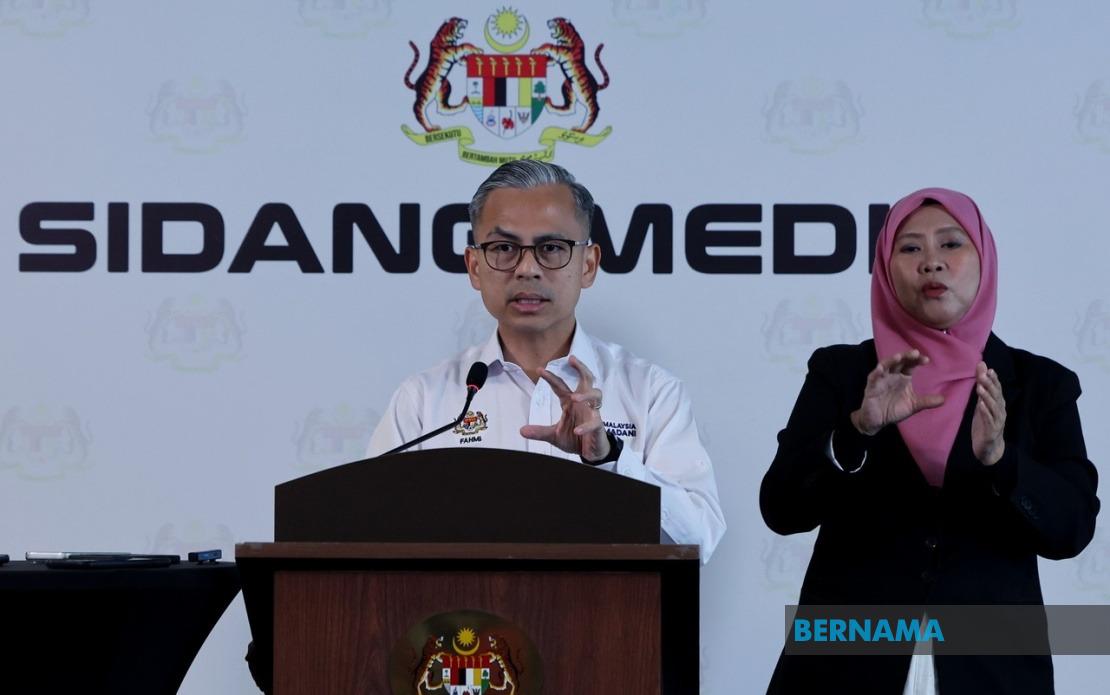
Mounting parliamentary interest in the Tabung Haji crisis signals a potential turning point in scrutiny of the Islamic pilgrim fund's management, with between 35 and 40 MPs having confirmed their eagerness to participate in a specially convened Dewan Rakyat sitting dedicated to examining the damaging revelations from the Royal Commission of Inquiry report. Communications Minister Datuk Seri Fahmi Fadzil disclosed the level of legislative interest during a regular press briefing in Putrajaya on August 5, underscoring the significance that lawmakers across the political spectrum are attaching to the financial debacle that has left millions of Malaysian pilgrims' savings severely compromised.
The special parliamentary sitting, beginning at 10 am on August 11 and continuing into the afternoon without scheduled breaks, represents a rare commitment of parliamentary time to a single policy crisis. Dewan Rakyat Speaker Tan Sri Johari Abdul has sanctioned the continuous sitting format, a procedural decision that reflects the gravity with which the legislative leadership regards the necessity for comprehensive parliamentary examination of what went wrong at the institution. The uninterrupted schedule indicates that lawmakers expect extended interventions and substantive debate rather than ceremonial contributions, suggesting genuine determination to probe the circumstances that precipitated the fund's financial distress.
The groundwork for this parliamentary reckoning was laid when the Royal Commission of Inquiry report, deposited on the official portal of the Department of Islamic Development Malaysia on July 29, became public documentation of institutional failure spanning the 2014 to 2020 period. The commission's investigation uncovered a troubling pattern of investment decisions that systematically eroded Tabung Haji's asset base, a deterioration that has profound consequences for the millions of Malaysian Muslims who regard the fund as a sacred repository for their pilgrimage savings. The scale of the damage extends beyond financial metrics to encompass questions of institutional governance, accountability, and the protection of public trust in organisations managing assets held for religious purposes.
Central to the RCI's findings is its recommendation for comprehensive forensic auditing of the problematic investment ventures that triggered the fund's downward spiral. This forensic examination approach suggests that the commission suspects more than mere mismanagement or poor judgment—the emphasis on forensic investigation carries implications of potential deliberate misconduct, undisclosed conflicts of interest, or deliberate concealment that warrant investigative techniques beyond standard financial review. The identification of suspicious transactions and the deliberate obscuring of information moves the narrative beyond a simple narrative of failed stewardship into territory suggesting possible intentional wrongdoing.
For Malaysian legislators, the August 11 debate represents an opportunity to translate the RCI's investigative findings into concrete policy remedies and accountability measures. The interest from approximately two-fifths of the 222-member parliament indicates that this is not a matter confined to opposition criticism or perfunctory government responses, but rather a cross-party concern that touches fundamental governance questions. The participation of such substantial numbers of MPs suggests recognition that Tabung Haji's troubles implicate broader questions about how Malaysia's public institutions manage stakeholder assets and how regulatory oversight functions across the financial sector.
The decision to broadcast proceedings live through official Dewan Rakyat media channels reflects recognition that the Tabung Haji matter extends well beyond parliamentary walls into the homes and consciousness of millions of Malaysians with direct financial exposure to the fund's performance. Pilgrims and their families who have contributed to Tabung Haji over decades have accumulated personal stakes in the institution's recovery and the restoration of its financial health. Public transparency about what parliament intends to do about the RCI findings becomes a form of accountability to these stakeholders, demonstrating that elected representatives take seriously the management failures that have affected their savings.
Prime Minister Datuk Seri Anwar Ibrahim's decision to schedule this special sitting reflects a government strategy of demonstrating responsiveness to a crisis that preceded the current administration's tenure but remains urgent and unresolved under its watch. The MADANI government has adopted a posture of transparency regarding the RCI report rather than defensive minimisation, a choice that both acknowledges the seriousness of the findings and positions the government as committed to remedial action. By creating parliamentary space for extensive debate and allowing lawmakers to air their concerns and proposals, the government signals that it will not treat the Tabung Haji question as a matter to be buried or minimised.
The specific focus on the 2014-2020 investigation period extends accountability questions backward to previous administrations and their officials' decision-making. Several of the investment choices scrutinised by the RCI reflected strategic choices made during that six-year window, and identifying the officials responsible for those decisions—and whether they acted within appropriate governance frameworks or exceeded their authority—remains crucial for preventing future recurrence of similar failures. The forensic audit recommendation suggests that determining not merely what went wrong but who bears responsibility for specific decisions remains incomplete.
For Malaysian observers of parliamentary procedure and governance, the August 11 sitting will provide revealing indicators of how thoroughly legislators are prepared to engage with technical financial questions and how effectively they can translate investigative findings into legislative or executive action. The quality of questions asked, the specificity of proposed remedies, and the degree to which parliamentary debate produces concrete commitments to institutional reform will demonstrate whether this represents genuine accountability or a procedural exercise in demonstrating concern while leaving underlying problems unaddressed. The depth of engagement from the 35 to 40 participating MPs will substantially shape whether this special sitting marks a turning point in how Malaysian public institutions manage financial crises or simply provides a ventilation forum for political frustrations.

