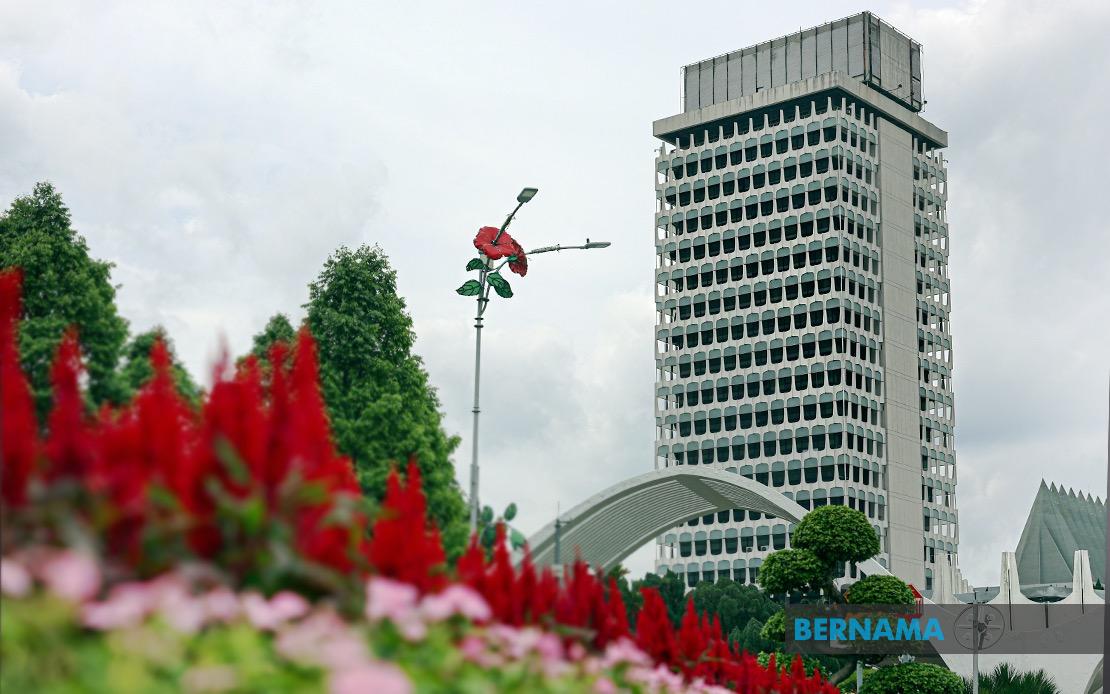
Parliament convened today with lawmakers scrutinising the government's readiness to confront the approaching El Niño phenomenon, a climate pattern that poses significant threats to Malaysia's agricultural output and national food security. The climate issue has emerged as a critical concern amid expectations that the condition will strain water resources, disrupt crop cycles, and ultimately pressure the nation's ability to maintain adequate food supplies for its growing population.
Bakti Jamaluddin, the BN member for Tangga Batu, raised the urgency of El Niño preparedness by directing questions to the Agriculture and Food Security Minister about contingency strategies. His inquiry extended beyond broad policy statements to encompass practical details on how the government plans to manage irrigation systems during periods of reduced rainfall, sustain padi cultivation despite water constraints, and protect livestock operations from the anticipated dry conditions. The scope of his questioning reflects growing concerns within agricultural constituencies about the sector's vulnerability to climatic shocks, particularly in an era of increasingly unpredictable weather patterns affecting Southeast Asia.
Parallel to agricultural concerns, Parliament addressed a more immediate security matter arising from an accidental hand grenade detonation during a Malaysian Armed Forces training exercise. Datuk Mohd Isam Mohd Isa, representing BN-Tampin, directed the Defence Minister to clarify the circumstances surrounding the incident and outline remedial measures. This incident has raised questions about whether current training safety protocols adequately protect personnel engaging in live-fire exercises and whether the armed forces have implemented sufficient oversight mechanisms to prevent similar accidents. The Defence Ministry faces pressure to demonstrate that it has tightened standard operating procedures to prevent future tragedies.
Governance reforms affecting Kuala Lumpur City Hall featured prominently in today's proceedings when PH's Tan Kok Wai queried the Prime Minister about the implementation framework for administrative and institutional changes proposed following the Feasibility Study of the Federal Capital Act 1960. This line of questioning suggests Parliament's keen interest in how the capital's management structure will evolve, particularly regarding integrity frameworks, service delivery mechanisms, and administrative efficiency. The broader implications for urban governance in Malaysia's federal capital carry significance beyond Kuala Lumpur itself, as reforms to DBKL operations could establish precedents for municipal administration nationwide.
The spread of deviant religious teachings emerged as another priority concern, with PN member Sabri Aziz questioning the government's strategy to counter what he characterised as straying from orthodox Islamic instruction. His question reflected ongoing anxieties within Malaysian society regarding the proliferation of heterodox Islamic movements and the effectiveness of intervention mechanisms designed to guide believers back toward mainstream religious understanding. The query underscores the persistent challenge facing authorities in balancing religious freedom with maintaining social cohesion and theological orthodoxy within Muslim communities.
Public health issues commanded parliamentary attention when GPS member Datuk Dr Richard Rapu sought updated statistics on non-communicable diseases, particularly the alarming surge in diabetes and hypertension diagnoses among Malaysians under age 30. This line of inquiry highlights a demographic health crisis that extends beyond elderly populations, signalling that lifestyle diseases are affecting increasingly younger cohorts. The timing of this question appears designed to assess whether public health campaigns and taxation strategies implemented to discourage excessive sugar consumption have produced measurable results in reversing rising obesity and metabolic disease prevalence.
Dr Rapu's broader question about the effectiveness of the War on Sugar campaign and sugar tax enforcement reflects a growing evidence-based approach to non-communicable disease prevention in Malaysia. By requesting concrete data on outcomes rather than merely program descriptions, the question pressures health authorities to demonstrate tangible success in behavioural change. The sugar tax represents an innovative public health intervention that has attracted both support and criticism, and parliamentary scrutiny ensures continuing accountability regarding its implementation and impact.
The parliamentary agenda also included preparation for the National Trust Fund Bill 2026, scheduled for second reading by the Finance Minister. The timing of this legislation during the Fifth Session indicates government commitment to establishing or reforming trust mechanisms that may address long-term savings, investment, or welfare-related objectives. The bill's provisions remain significant for Malaysian financial planning and could affect citizens' future economic security depending on the fund's scope and beneficiary framework.
Today's sitting concluded the 16-day Second Meeting of the Fifth Session of the 15th Parliament, representing the culmination of a parliamentary period that addressed diverse national concerns ranging from climate adaptation to institutional reform, public health outcomes, and security protocols. The breadth of issues examined reflects the complexity of contemporary governance challenges facing Malaysia, requiring coordinated responses across agricultural, defence, urban, religious, and health sectors. The government's ability to translate parliamentary scrutiny into effective policy implementation will substantially determine Malaysia's resilience in addressing these interconnected challenges throughout the coming months.

