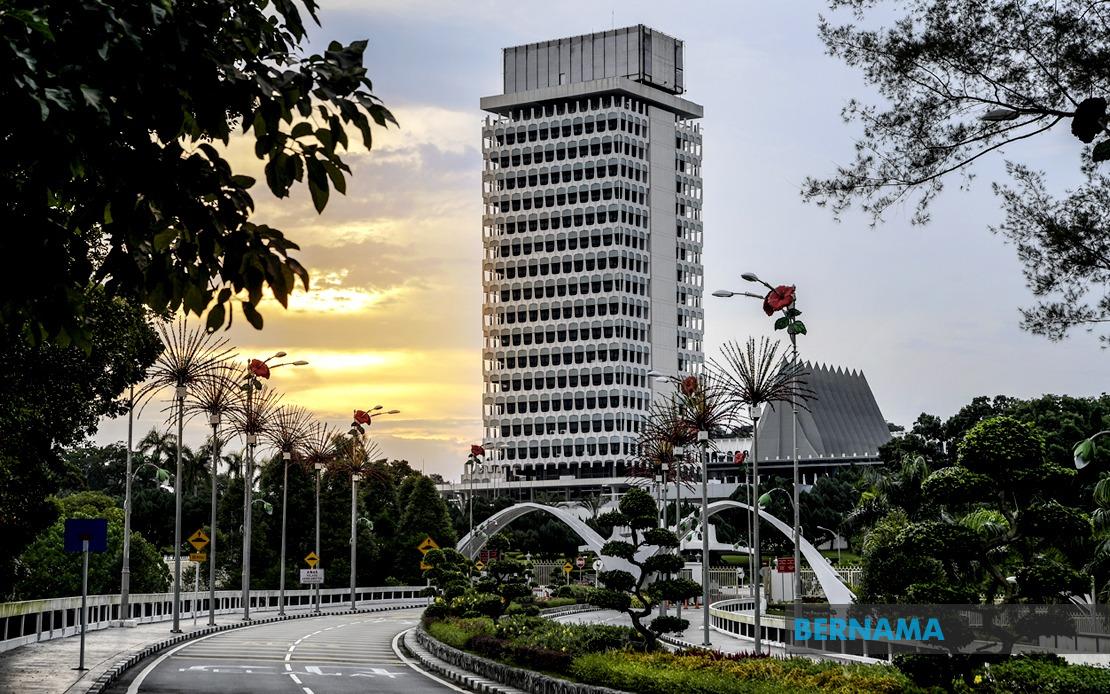
Malaysia's Dewan Rakyat resumed sitting on July 6 with a parliamentary agenda tackling pressing concerns about consumer protection in the insurance sector, the adequacy of retirement savings for ordinary Malaysians, and investment in youth sports development. The day's proceedings would bring into sharp focus three areas where government policy directly affects citizens' financial security and national capabilities.
Insurance reform emerged as a critical parliamentary concern, with Tan Kok Wai from Cheras raising questions about protective measures for vulnerable policyholders. The lawmaker planned to press the Finance Minister on mechanisms designed to shield critical illness and cancer patients from arbitrary policy cancellations and disputed claim rejections—issues that strike at the heart of insurance's social contract. Beyond individual protection, the questioning would probe government efforts to embed greater transparency throughout the insurance system and strengthen dispute resolution mechanisms that allow aggrieved consumers meaningful recourse.
The urgency of this insurance focus reflects growing public anxiety about coverage reliability precisely when Malaysians face their most vulnerable health moments. Cancer patients and those managing critical illnesses depend on insurance payouts for treatment access; cancellations or rejected claims can trigger financial catastrophe. Parliamentary scrutiny here serves to establish whether current regulatory frameworks adequately protect citizens or whether gaps remain that enable unfair industry practices.
Retirement savings adequacy featured prominently as another core concern during Question Time. Datuk Seri Aminuddin Harun from Port Dickson sought clarity on government strategy to ensure Malaysians, particularly those contributing to the Employees Provident Fund, accumulate sufficient savings for retirement. This question gains particular salience given Malaysia's demographic trajectory. The nation faces structural ageing; by 2030, the population profile will shift markedly toward older citizens requiring sustained income support. Simultaneously, the rising cost of living erodes purchasing power, making existing retirement savings increasingly inadequate for maintaining standards of living.
The EPF adequacy question speaks to long-standing anxieties among Malaysian workers about whether current contribution rates and matched savings will truly sustain them through potentially three or more decades of retirement. With inflation continuing to climb and fixed income increasingly strained, workers face uncertainty about retirement security. Government must articulate a coherent strategy addressing contribution levels, investment returns, and withdrawal policies to ensure the system genuinely delivers retirement security rather than merely deferring poverty to old age.
Volleyball talent development garnered parliamentary attention when Zakri Hassan from Kangar questioned the Youth and Sports Minister about systematic talent identification and cultivation programmes. Both indoor and beach volleyball represented strategic areas where Malaysia possesses capacity to compete at regional and international levels. Yet sustained success requires institutional investment in talent pipelines, coaching infrastructure, and grassroots participation systems. The parliamentary query signals recognition that competitive sport demands intentional development strategies rather than hoping talent emerges spontaneously.
Rural connectivity and digital inclusion prompted questioning from Hassan Saad of Baling, who interrogated the Communications Minister on the National Information Dissemination Centres' effectiveness. Despite Malaysia's broader economic development, persistent digital divides characterise many rural communities, where inadequate internet access, limited digital literacy, and weak marketing capabilities constrain small entrepreneurs' growth. NADI centres represent government infrastructure designed to bridge these gaps, yet their impact remained contested, warranting parliamentary examination of whether they genuinely improve socio-economic outcomes or function merely as symbolic interventions.
Two technology applications received parliamentary scrutiny regarding their operational effectiveness. The Mobile eCOSS system, launched in May 2025 to combat leakages in subsidised cooking oil distribution, faced questions about whether it successfully prevented diversion of controlled subsidies. Separately, financing schemes supporting micro, small and medium enterprises drew attention regarding their genuine impact on business viability and job creation. Both questions reflect concern about policy implementation—whether government programmes achieve intended objectives or leak value through inefficiency and fraud.
Parliament's legislative agenda extended beyond Question Time into substantive deliberation. The Health Select Committee would brief Parliament on its comprehensive report examining reform of Malaysia's National Organ Donation and Transplant System. This institutional review speaks to healthcare modernisation and addressing gaps in transplant availability that leave Malaysian patients with limited options for life-saving treatment. Simultaneously, Parliament would continue detailed committee-stage debate on the Competition (Amendment) Bill 2026 and proceed to second reading of the Competition Commission (Amendment) Bill 2026, representing significant regulatory revisions to Malaysia's competition framework affecting market structure and business conduct.
The parliamentary session, running for sixteen days through July 16, demonstrated government engagement with diverse policy domains touching citizens' daily lives. From protecting insurance consumers to ensuring retirement adequacy, developing sporting talent to bridging rural digital divides, and overhauling competition regulation to modernising transplant systems, Parliament addressed the interconnected challenges facing contemporary Malaysia. The breadth of agenda items reflected recognition that sustainable development demands simultaneous attention to consumer protection, social security, youth investment, rural inclusion, healthcare modernisation, and fair competition—a demanding governance portfolio requiring coherent strategic vision.

