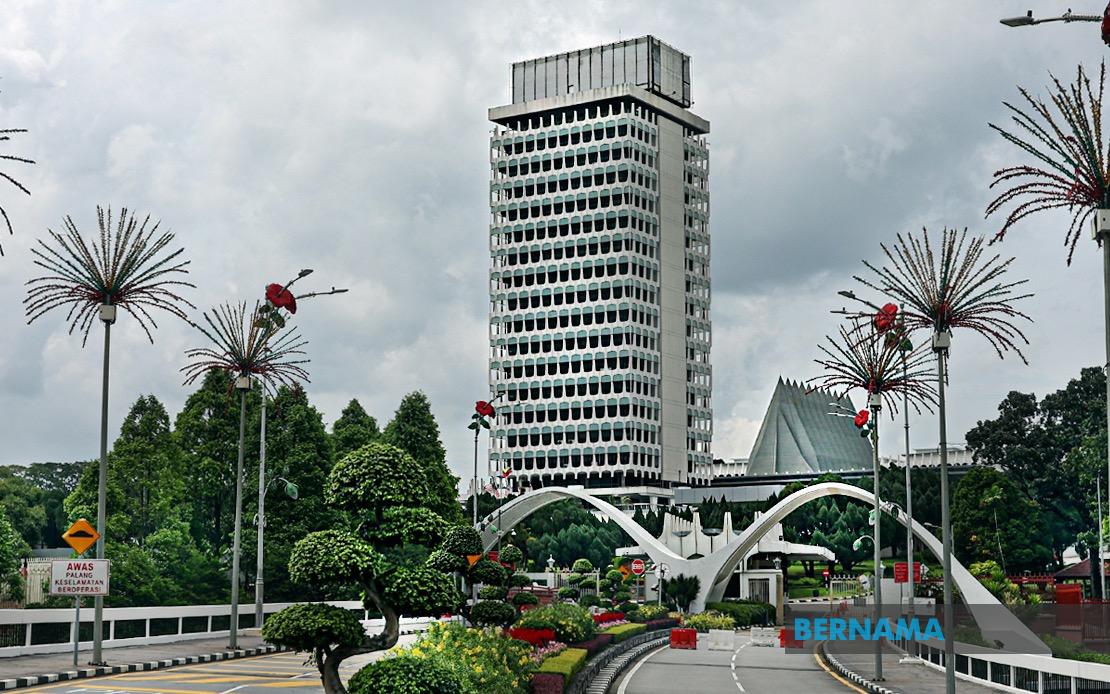
The Dewan Rakyat convenes today with an agenda addressing some of the nation's most pressing economic and institutional concerns, from grassroots entrepreneurship to constitutional governance. During Minister's Question Time, multiple members will interrogate the government's handling of challenges that directly affect Malaysia's competitiveness and standing on the global stage, signalling growing parliamentary scrutiny of policies affecting small businesses and democratic principles.
The most immediate concern centres on the deepening financial crisis confronting Malaysia's vast network of micro, small and medium enterprises. Lee Chuan How, the Ipoh Timor representative from Pakatan Harapan, will formally ask the Prime Minister whether the administration recognises the escalating complaints from MSME operators struggling to access adequate financing. This line of questioning reflects a broader pattern of concern among lawmakers across the political spectrum about whether existing lending frameworks and government-backed financing schemes are sufficiently responsive to ground-level business needs. For Malaysian entrepreneurs already grappling with rising operational costs, inflationary pressures, and digital transformation expenses, restrictive credit availability poses an existential threat to survival and growth.
The financing question carries particular weight given Malaysia's economic structure. MSMEs constitute over 97 per cent of all business establishments in the country and employ roughly 5 million workers, making their health integral to employment stability and consumer spending. When access to working capital becomes constrained, the ripple effects extend through entire supply chains and local communities. The parliamentary inquiry signals that policymakers increasingly recognise this vulnerability, though critics may argue the recognition arrives somewhat late given ongoing complaints from business groups over loan approval delays and stringent collateral requirements.
Equally significant is Ahmad Fadhli Shaari's planned intervention on media freedom. The Pasir Mas legislator from Perikatan Nasional will demand answers regarding Malaysia's sharp descent in international press freedom rankings, dropping from 88th position to 95th in the 2026 World Press Freedom Index. This deterioration is not merely a statistical embarrassment; it signals genuine concerns about editorial independence, regulatory obstacles, and the operating environment for journalists. The decline occurs amid ongoing global discussions about democratic health and the relationship between free media and accountable governance, making Malaysia's downward trajectory a matter of regional interest.
The question of media freedom holds particular resonance for Southeast Asia, where several nations have experienced concerning trends in journalistic space and editorial autonomy. Malaysia's slip represents a cautionary indicator and invites scrutiny of whether specific government actions—from regulatory decisions to enforcement actions against media outlets—have contributed to the decline. The parliamentary query will likely pressure the government to articulate concrete measures demonstrating commitment to safeguarding press independence, an area where legislative clarity and policy coherence remain essential.
Beyond these headline issues, the day's parliamentary business reveals a government attentive to demographic and social considerations often overshadowed by macroeconomic debates. Aminolhuda Hassan, representing Sri Gading for Pakatan Harapan, will probe whether the administration intends to establish a dedicated financing vehicle for senior citizen accessibility initiatives. Her specific focus on installing wheelchair ramps and accessible toilets in mosques and suraus addresses a genuine gap in Malaysia's social infrastructure, where many religious institutions lack facilities accommodating elderly worshippers or those with mobility challenges. This question demonstrates parliament's emerging willingness to examine accessibility not merely as charitable concern but as fundamental infrastructure requiring resourced government support.
The attention to mosque and surau accessibility also reflects Malaysia's ageing demographic trajectory. With the median age rising and the proportion of citizens over 60 years expanding rapidly, accessibility becomes not a fringe concern but a mainstream policy imperative affecting millions of daily lives and religious participation.
The parliamentary agenda extends into institutional reforms of constitutional significance. The Dewan Rakyat will resume debate on the Constitution (Amendment) (No. 2) Bill 2026, which proposes separating the roles of Attorney General and Public Prosecutor. This bifurcation represents a substantial recalibration of Malaysia's prosecutorial and legal oversight structure, potentially affecting everything from criminal justice administration to political accountability frameworks. The constitutional amendment process necessarily attracts intense scrutiny given its lasting implications for institutional balance and governmental powers.
Before addressing the constitutional question, parliament will deliberate on the 2024 Annual Report and Financial Statement of the Human Rights Commission of Malaysia (SUHAKAM), allowing lawmakers to examine this independent institution's operational effectiveness and resource allocation during a period when human rights concerns command heightened global and regional attention.
Collectively, today's parliamentary agenda mirrors Malaysia's navigation of multiple simultaneous challenges: sustaining economic vitality through targeted MSME support, maintaining institutional integrity through press freedom protection, accommodating demographic change through inclusive infrastructure, and strengthening constitutional governance through deliberate institutional reform. How effectively parliament addresses these interconnected issues will shape both Malaysia's regional standing and the lived experience of millions of Malaysian citizens navigating an increasingly complex economic and social landscape.

