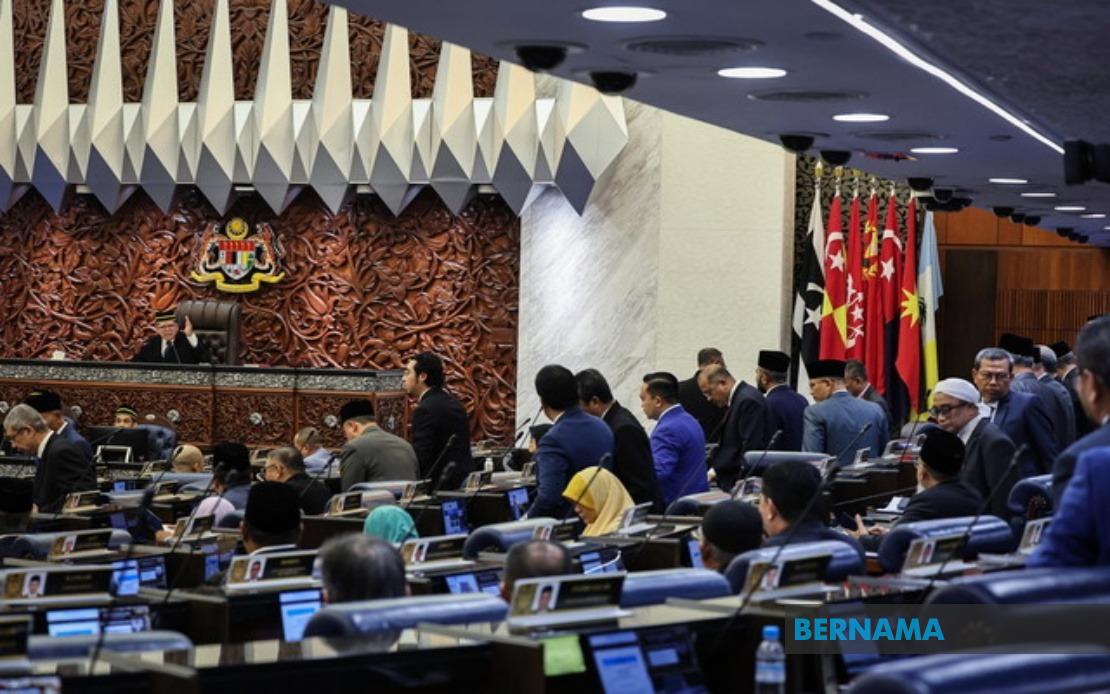
Perikatan Nasional opposition lawmakers staged a walkout from the Dewan Rakyat on August 11, declining to participate in debate on the Royal Commission of Inquiry report into Lembaga Tabung Haji, the pilgrimage savings scheme affecting millions of Malaysian Muslims. Opposition Leader Datuk Seri Hamzah Zainudin led the departure, alongside PN Chief Whip Datuk Seri Takiyuddin Hassan and PN chairman Datuk Seri Dr Samsuri Mokhtar, who had earlier moved to adjourn proceedings following the absence of Prime Minister Datuk Seri Anwar Ibrahim and Deputy Prime Minister Datuk Seri Fadillah Yusof, both receiving medical treatment.
The RCI findings, made public on July 29 after government approval, provided lawmakers an exceptional opportunity to scrutinise the commission's conclusions and recommendations regarding one of Malaysia's most significant financial institutions serving depositors across the nation. The special parliamentary sitting represented a crucial forum for legislative oversight and the formal articulation of parliamentary positions on matters affecting millions of Malaysians' savings and trust.
Academic analysis suggests the walkout reflects broader strategic calculations within opposition politics rather than a singular response to institutional absence. Prof Datuk Dr Sivamurugan Pandian from Universiti Sains Malaysia's School of Social Sciences characterises the manoeuvre as fundamentally a political protest tactic centred on the Prime Minister's non-attendance, rather than primarily addressing substantive Tabung Haji governance concerns. This distinction proves critical for understanding the action's implications and public perception.
The decision creates tangible risks to opposition messaging and credibility. By absenting themselves from the chamber, PN MPs forfeit the opportunity to construct an official parliamentary record documenting their arguments, evidence, and policy proposals regarding Tabung Haji's future direction and accountability measures. This record would have enduring documentary value, existing as permanent public testimony of legislative positions on the matter.
Paradoxically, remaining in chamber and delivering substantive critiques of the RCI findings would have generated far greater impact than symbolic departure. Opposition members could have methodically dismantled government positions, introduced contradictory data, and advanced alternative remedies whilst the parliamentary record captured every exchange verbatim. Such engagement transforms Parliament into a platform demonstrating commitment to depositors' welfare through detailed argumentation rather than theatrical departure.
Significantly, the opposition coalition itself displayed internal disagreement regarding walkout strategy, with some PN parliamentarians electing to remain and participate in debates. This fracturing suggests legitimate tactical divisions within the broader opposition movement about whether boycott serves or undermines their political objectives. Such splits risk projecting an image of disorganisation precisely when unified leadership on crucial financial matters appears essential.
The Prime Minister's absence, whilst contextually important given his leadership role, does carry symbolic weight that opposition figures reasonably highlight. Parliamentary convention and public expectation typically position the Prime Minister as present during high-stakes debates on matters of national financial consequence. Formal recognition of this absence through procedural challenge represents legitimate parliamentary behaviour. However, translating that concern into physical departure fundamentally changes the nature of the protest from procedural objection to substantive abdication.
For Malaysian depositors—many of whom depend on Tabung Haji for pilgrimage financing or retirement security—the distinction between parliamentary theatre and substantive legislative engagement matters considerably. The RCI report presumably contains specific findings about fund management, governance failures, or proposed reforms. Depositors benefit when their elected representatives engage directly with these findings, challenge conclusions, and build parliamentary consensus around remedial actions. Walkout strategies, by contrast, produce headlines but yield minimal depositor protection or legislative advancement.
The fundamental tension between symbolic protest and institutional responsibility becomes apparent through this lens. Parliament's constitutional function includes legislative scrutiny and record-building regarding matters affecting public welfare. When opposition members prioritise symbolic gestures over substantive engagement, they arguably neglect this institutional obligation regardless of their underlying political motivations. The public record becomes less comprehensive, debate shallower, and remedial action harder to mandate.
Regionally, Malaysian parliamentary conduct influences broader Southeast Asian democratic norms and practice. Opposition parties elsewhere observe how Malaysian lawmakers balance protest and participation, sometimes adopting similar strategies within their own legislatures. Walkout tactics that appear ineffective may discourage future opposition engagement with complex legislation, potentially weakening parliamentary oversight across the region.
Moving forward, opposition strategists face a persistent challenge: balancing symbolic protest against substantive legislative work. The Tabung Haji debate illustrates how these imperatives collide. Responding to genuine procedural concerns about prime ministerial absence need not require complete chamber departure. Instead, formal objection followed by sustained critical engagement would simultaneously register procedural complaint, maintain legislative participation, and create documentary evidence of opposition positions.
For Tabung Haji itself, the walkout produces unfortunate ambiguity. Did opposition lawmakers abandon the debate because they lacked credible counter-arguments, or because they genuinely believed principled objection to the Prime Minister's absence superseded depositors' interests in parliamentary scrutiny? The departure leaves this question unanswered, potentially damaging opposition credibility on future financial or governance matters where public trust in legislative oversight proves essential.

