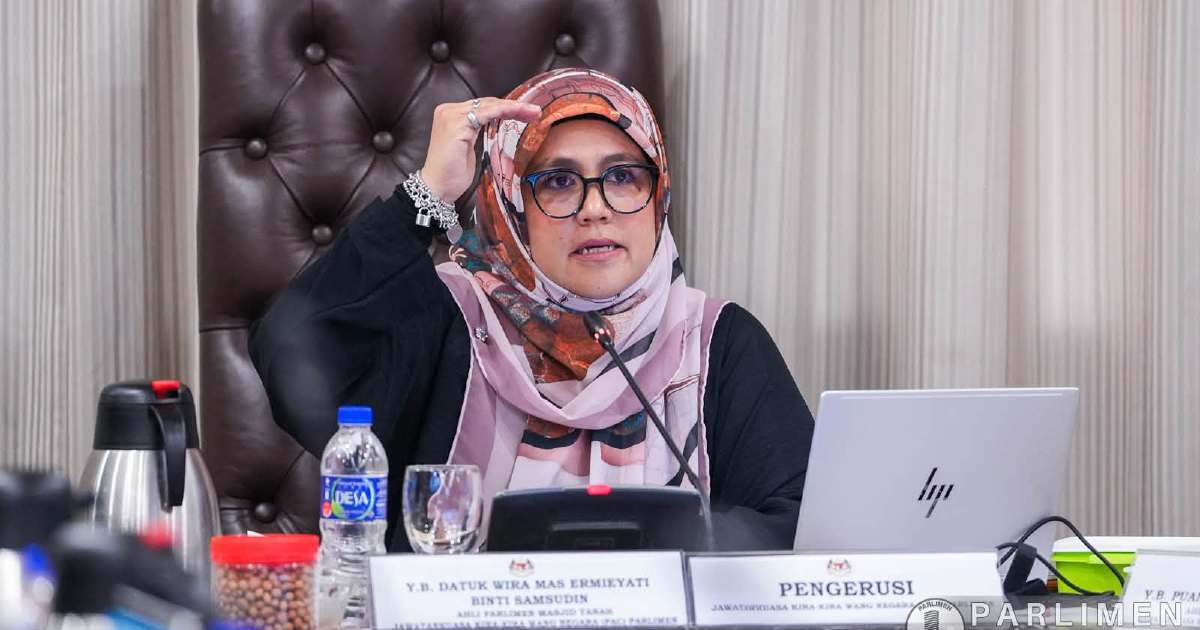
Malaysia's Public Accounts Committee has moved forward with a comprehensive investigation into the governance structures and financial management of Lembaga Tabung Haji, following unanimous agreement among its members to launch formal proceedings. This decision represents a significant escalation in parliamentary oversight of the institution, which serves as a crucial savings vehicle for millions of Malaysian Muslims preparing for the hajj pilgrimage.
The PAC's decision to investigate multiple dimensions of TH's operations reflects mounting concerns about how the institution manages both its administrative framework and substantial investment portfolios. The committee's scope encompasses governance weaknesses, financial irregularities, and investment performance—three interconnected areas that have drawn criticism from various quarters in recent years. The unanimous vote underscores broad cross-party consensus that the issues warrant serious parliamentary attention.
Tabung Haji occupies a unique position in Malaysia's financial landscape, operating as both a religious obligation facilitator and a major institutional investor. With hundreds of thousands of depositors entrusting the organisation with savings earmarked for pilgrimage, the institution carries significant public trust responsibilities. Any weaknesses in governance or financial stewardship directly affect ordinary Malaysians' life savings and their ability to fulfil one of Islam's five pillars.
The investigation signals that policymakers are taking seriously accumulated evidence suggesting operational deficiencies within TH. Previous media reports and industry commentary have raised questions about investment decision-making processes, asset allocation strategies, and the adequacy of internal controls. By launching a formal PAC inquiry, Parliament is now positioning itself to examine these issues systematically and recommend corrective measures.
For Malaysian depositors, this investigation carries practical implications. The PAC's findings could influence how TH operates going forward, potentially leading to reforms in fund management, governance safeguards, and transparency mechanisms. The committee's investigative capacity—including its ability to summon witnesses and demand documentation—provides tools for uncovering facts that may not emerge through conventional channels.
The timing of this inquiry also reflects broader regional trends in institutional oversight. Southeast Asian countries increasingly face scrutiny regarding how state-linked or quasi-governmental organisations manage public resources and fiduciary responsibilities. Malaysia's decision to formally investigate TH places the country within this wider pattern of enhanced accountability demands.
TH's investment portfolio extends beyond domestic Malaysian assets, encompassing regional and international holdings. The PAC's investigation will likely examine whether investment decisions followed rigorous due diligence processes and whether returns have been optimised appropriately. This dimension of the inquiry matters not only for TH depositors but also for understanding Malaysia's broader investment ecosystem and institutional practices.
The PAC's investigative mandate allows it to identify systemic weaknesses that individual regulatory bodies might overlook. By bringing parliamentary attention to governance and financial matters simultaneously, the committee can assess whether deficiencies in one area cascade into problems elsewhere. This holistic approach may yield insights about interconnected vulnerabilities in TH's operational structure.
The investigation's outcome will likely shape discussions about reforming Malaysia's regulatory framework for religious financial institutions. As the country balances Islamic financial principles with modern governance standards, the PAC's findings could establish precedents for how similar organisations should be structured and monitored. This is particularly significant given Malaysia's position as a leading Islamic finance hub.
For TH management, the formal investigation represents both a challenge and an opportunity. Cooperation with the PAC process allows the institution to address criticisms transparently and demonstrate commitment to institutional improvement. Conversely, any resistance or incomplete responses could damage credibility further and invite additional regulatory intervention.
The broader significance extends to depositor confidence in Malaysia's financial institutions. When major organisations face governance questions, public trust diminishes unless comprehensive investigations and remedial actions follow. By formally engaging with the PAC, Malaysia's parliamentary system demonstrates that no institution operates beyond accountability scrutiny.
This investigation also reflects political dynamics within Parliament, where opposition and government-aligned lawmakers united behind the need for investigation. Such consensus suggests that concerns about TH transcend partisan divides, indicating genuine public interest in the institution's operations.
The PAC's decision to proceed establishes a foundation for accountability that will likely extend beyond TH itself. As the committee works through its investigation, it will establish inquiry protocols and evidentiary standards applicable to other state-linked institutions, potentially creating templates for future parliamentary oversight in Malaysia.

