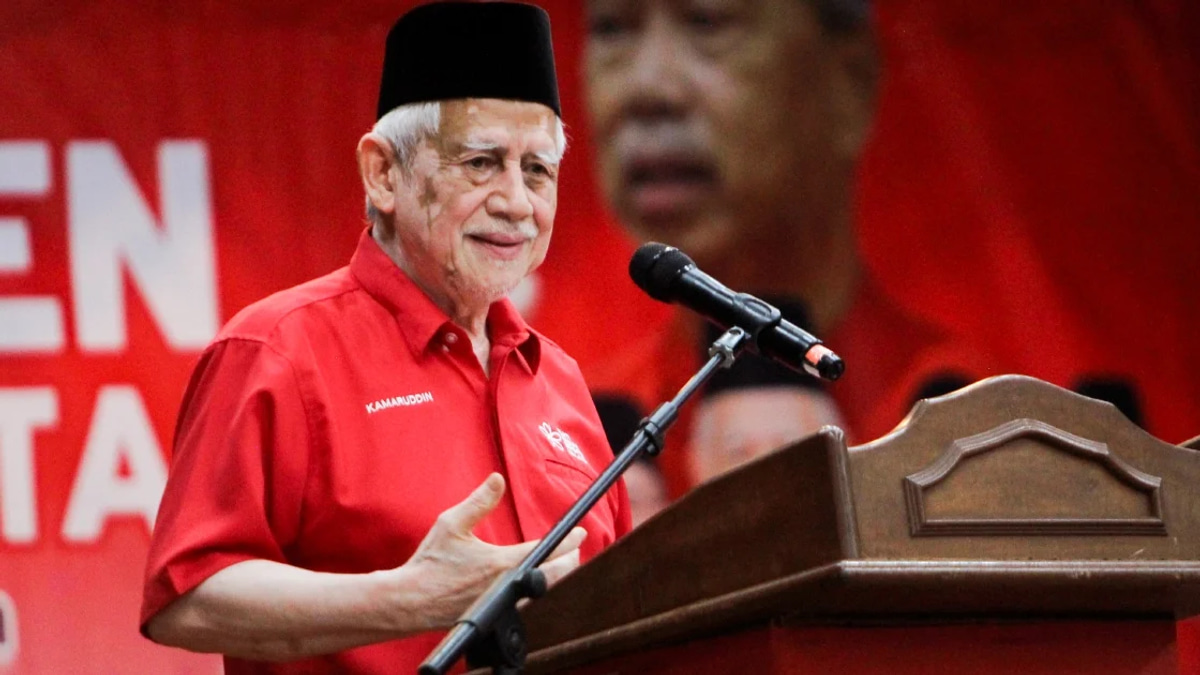
The Perikatan Nasional coalition has become the focal point of an escalating territorial dispute between its two dominant components, PAS and Bersatu, as both parties maneuver for strategic advantage within a political partnership that has proven surprisingly durable despite underlying tensions. Political analysts and observers tracking developments within the right-wing coalition increasingly characterize the Perikatan Nasional identity itself as a "prized possession" that commands voter loyalty transcending the individual appeal of either constituent party. This distinction carries profound implications for the future trajectory of Malaysian politics, particularly as the nation approaches potential electoral cycles that could reshape the balance of parliamentary power.
The competition between PAS and Bersatu reflects a fundamental reality of contemporary Malaysian coalition politics: the Perikatan Nasional brand has accumulated considerable market value among a significant voter demographic that may not automatically translate to support for the coalition's component parties if forced to choose between competing organisational identities. Analysts emphasize that the collective Perikatan Nasional coalition carries demonstrable electoral magnetism that exceeds the combined drawing power of PAS and Bersatu as standalone entities. This phenomenon suggests that Perikatan Nasional voters respond primarily to the coalition's unified positioning and messaging rather than to the ideological or organisational characteristics of its individual members.
The strategic importance of controlling the coalition's direction cannot be overstated, given the coalition's performance in recent electoral contests and its influence over government formation and parliamentary dynamics. Both PAS and Bersatu recognize that command over Perikatan Nasional's policy agenda, public communications, and organizational structure would translate into disproportionate influence over the broader right-wing political movement in Malaysia. The control of nomination procedures, seat allocation, and coalition leadership positions represents not merely symbolic authority but practical power over political careers and electoral prospects for party members across the alliance.
Bersatu's position within this struggle remains complicated by its relatively nascent history as a political force compared to PAS's deep organisational roots and extensive grassroots networks established over decades. Conversely, PAS operates within constraints imposed by its religious-nationalist positioning, which while mobilizing core supporters, may constrain its capacity to broaden appeal beyond established constituencies. The Perikatan Nasional framework allows both parties to transcend these limitations by presenting themselves as representatives of a unified political movement that projects broader aspirational messaging than either could accomplish independently.
The implications for Malaysia's broader political ecosystem extend well beyond internal coalition management. The outcome of this PAS-Bersatu power struggle could fundamentally reshape how opposition and alternative governing coalitions organize themselves in coming years. If one party successfully consolidates control over Perikatan Nasional's institutional machinery and public identity, it would effectively marginalize its coalition partner into a subordinate role despite nominally maintaining the partnership structure. Conversely, if neither party achieves decisive dominance, the coalition could fragment or evolve into a more decentralized arrangement that diminishes its effectiveness as a cohesive political force.
For voters and constituencies targeted by Perikatan Nasional, this internal competition creates both opportunities and uncertainties. Voters attracted to the Perikatan Nasional brand specifically may find their preferred coalition weakened if internal strife becomes acute, while the party-level competition could generate organizational energy and campaign activity that benefits the coalition electorally. However, protracted feuding over control mechanisms often creates perception problems among floating voters who prioritize coalition stability and unity over narrow partisan considerations.
The regional significance of Perikatan Nasional's internal dynamics deserves recognition within the broader context of Southeast Asian politics. Malaysia's coalition structures influence broader regional patterns of alignment and opposition, particularly given the nation's status as a major economy with significant geopolitical weight. The way Malaysian political parties negotiate control and power-sharing within coalitions offers instructive lessons for other Southeast Asian democracies grappling with coalition governance challenges and intra-alliance tensions.
Observers tracking Perikatan Nasional's development note that the coalition's electoral brand value creates powerful incentives for both PAS and Bersatu to maintain the partnership even while competing for internal dominance. Neither party possesses sufficient electoral strength to replace Perikatan Nasional's market appeal with individual party branding without substantial reputational and organizational investment. This structural reality constrains the intensity of competition, as both parties recognize that destroying the coalition to win internal disputes would prove mutually destructive.
The broader question of how Malaysian political coalitions balance unity with internal democratic competition remains unresolved in the Perikatan Nasional case. Successful coalition governance requires mechanisms enabling constituent parties to advance distinct interests and preferences while maintaining sufficient cohesion to project unified public messaging and policy direction. The PAS-Bersatu struggle suggests these mechanisms remain underdeveloped within Perikatan Nasional, creating vulnerability to both external challenges from opposing coalitions and internal fracture stemming from unresolved authority questions. As Malaysia's political landscape continues evolving, the resolution of this power struggle could establish precedents influencing how other Malaysian political partnerships organize themselves and allocate influence among member organizations.