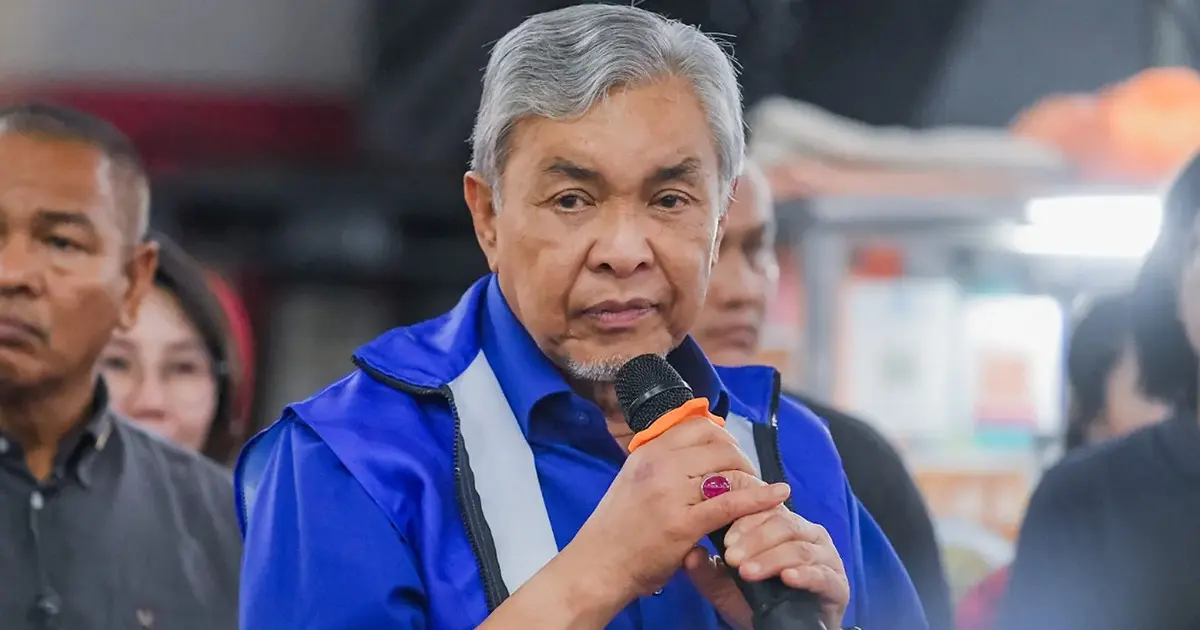
BN chairman Zahid Hamidi has drawn a careful distinction between tactical electoral cooperation and longer-term political partnerships, cautioning observers not to read too much into PAS's decision to back BN candidates in the upcoming Johor state election. The Umno leader's statement underscores the complex and fluid nature of Malaysian coalition politics, where pragmatic campaign alliances can coexist alongside fundamental strategic disagreements between parties.
Zahid's clarification addresses growing speculation within political circles about whether PAS's willingness to support BN candidates signals a potential merger or formal alliance between Umno and the Islamic party. Such speculation has intensified following PAS's recent electoral gains and its expanding influence within state administrations across the country. The BN chairman's remarks suggest that the coalition remains cautious about deepening institutional ties with PAS, despite finding common ground on specific electoral contests.
The distinction Zahid has drawn reflects the reality that Malaysian electoral contests frequently feature loose, issue-specific cooperation between parties that maintain separate organizational identities and different long-term strategic visions. Parties often support each other's candidates at the state or parliamentary level without committing to nationwide coalition structures or formal governance agreements. This flexibility has become increasingly important as the country's political landscape has fragmented and as parties seek to optimize their performance in different constituencies and state contexts.
For PAS, extending support to BN candidates represents a pragmatic calculation aimed at consolidating its own political position in Johor, a state where the party has made significant inroads in recent years. The Islamic party's growth has been partly facilitated by defections from both Umno and PKR, reflecting broader shifts in voter sentiment and communal voting patterns. By backing BN in Johor, PAS may be seeking to prevent the coalition from becoming too weakened in a state where BN once held unchallenged dominance.
From Umno's perspective, accepting PAS support for BN candidates allows the party to benefit from additional organizational capacity and electoral machinery without formally subordinating itself to Islamic party leadership or accepting PAS's broader political agenda. This arrangement permits Umno to maintain its secular-nationalist positioning while still drawing on PAS's considerable ground strength in Muslim-majority constituencies. The arrangement reflects the ongoing search by Umno for stable majorities in state administrations following years of electoral volatility.
The broader context for Zahid's statement involves PAS's complex relationship with other major political players. While PAS has provided crucial support to Perikatan Nasional at the federal level, its growing electoral strength has created opportunities for the party to negotiate from positions of greater leverage with multiple partners. This has resulted in PAS adopting case-by-case approaches to electoral alliances, tailoring its involvement based on local political calculations rather than adhering to uniform national coalition frameworks.
For Malaysian voters and analysts, Zahid's clarification suggests that BN remains deeply hesitant about any formal power-sharing arrangement with PAS that would involve integrated governance structures or unified decision-making processes. This reluctance likely stems from ideological differences regarding the role of Islam in governance, concerns about PAS's institutional practices within administrations it leads, and the different demographic constituencies each party appeals to. Umno's base, while predominantly Muslim, encompasses diverse interests and professional classes that may not align entirely with PAS's Islamic governance priorities.
The statement also carries implications for federal politics and potential future coalition realignments at the national level. Should PAS's electoral strength continue to expand across multiple states, the party will inevitably occupy a more central position in Malaysian coalition mathematics. However, Zahid's comments suggest that even in such scenarios, BN may prefer maintaining looser arrangements with PAS rather than committing to formal merger or integrated coalition structures that would fundamentally alter the political landscape.
State elections in Malaysia have increasingly become laboratories for testing different coalition combinations and electoral strategies that may later influence federal politics. The Johor contest will provide further evidence about whether ad hoc cooperation between parties can function effectively as an alternative to formal coalitions, or whether voters increasingly demand greater clarity about long-term political partnerships and governance frameworks.
Looking forward, Zahid's careful messaging appears designed to keep multiple political options available for BN and Umno while not closing any doors to cooperation with PAS where local circumstances warrant. This approach reflects the strategic uncertainty that currently characterizes Malaysian politics, where rapid changes in voter preferences, party defections, and shifting demographic dynamics continue to reshape the political terrain in ways that no single coalition can predict with certainty.

