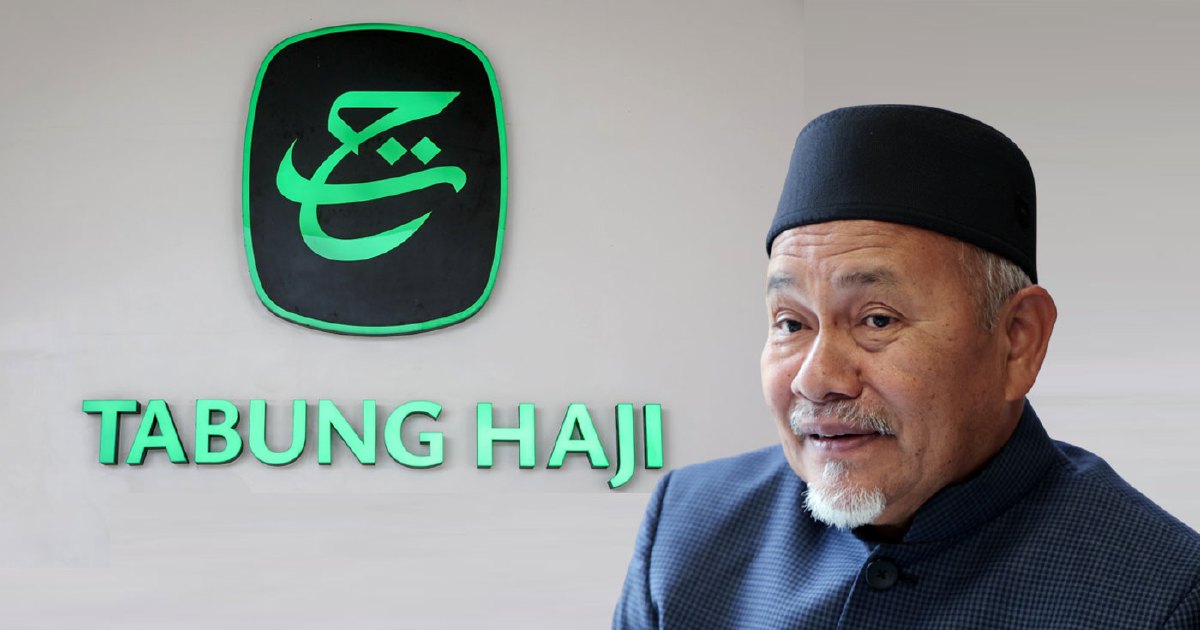
The government's decision to convene a special parliamentary sitting dedicated to discussing the Royal Commission of Inquiry findings on Tabung Haji has drawn backing from Pas, one of the key political players in Malaysia's ruling coalition. Datuk Seri Tuan Ibrahim Tuan Man, serving as the party's deputy president, has expressed approval for the decision whilst simultaneously pressing for tangible measures to follow the parliamentary debate.
Tabung Haji, Malaysia's pilgrimage fund operator, has been under public scrutiny following various governance and financial management concerns. The establishment of the Royal Commission of Inquiry represented a significant response to mounting questions about the institution's operations and stewardship of pilgrim savings. The inquiry's findings carry substantial weight given the sensitivity surrounding how Tabung Haji safeguards the accumulated contributions of millions of Muslims planning to perform the hajj pilgrimage.
Tuan Ibrahim's response signals alignment with government plans to address Tabung Haji matters through parliamentary oversight. A dedicated sitting provides legislators the opportunity to formally examine the RCI's conclusions and deliberate on implications for future policy direction. For Pas, which commands considerable influence within ruling coalition discussions, the parliamentary forum represents an appropriate mechanism for scrutinising an institution affecting the financial interests of Malaysia's Muslim population.
However, Tuan Ibrahim's emphasis on follow-up action extends beyond mere parliamentary discussion. His statement appears calibrated to ensure that any debate yields concrete outcomes rather than serving as a procedural exercise. This positioning reflects broader political expectations that parliamentary proceedings should translate into implementation rather than remain confined to rhetorical exchanges. The point carries particular resonance given that Tabung Haji matters have generated public concern and political attention requiring demonstrable resolution.
The conduct of a special parliamentary sitting itself underscores official recognition that Tabung Haji warrants elevated legislative attention. Ordinary parliamentary sessions operate under time constraints and competing agendas. Dedicating an extraordinary session specifically to RCI findings signifies that lawmakers view the inquiry's conclusions as demanding focused consideration. For Malaysian investors in Tabung Haji—a category encompassing millions across the country—such parliamentary engagement offers assurance that institutional governance receives serious political examination.
Pas's public support carries strategic dimensions within Malaysia's current political configuration. The Islamic party maintains significant parliamentary representation and exercises influence over coalition stability and policy priorities. Its endorsement of the special sitting provides political cover for government-sponsored legislative proceedings whilst simultaneously positioning Pas as a guardian of Muslim financial interests. This duality allows the party to demonstrate responsiveness to constituent concerns whilst maintaining partnership within the ruling coalition.
The RCI's investigation into Tabung Haji operations presumably uncovered findings concerning financial management, governance structures, or administrative practices. Such inquiries typically generate recommendations addressing identified deficiencies. Parliamentary debate following the RCI report creates opportunity for stakeholders to articulate positions on proposed remedial measures. The emphasis on follow-up action from Tuan Ibrahim suggests Pas intends to ensure recommendations translate into legislative or administrative changes rather than remaining shelved after parliamentary discussion concludes.
From a Southeast Asian perspective, Tabung Haji represents a distinctive institutional arrangement linking religious observance, financial stewardship, and state oversight. The Malaysian pilgrimage fund model differs substantially from arrangements in other Muslim-majority nations, reflecting specific historical and constitutional contexts. Parliamentary scrutiny of such institutions carries regional significance as other ASEAN countries with substantial Muslim populations observe how Malaysia manages governance of faith-linked financial institutions.
The timing of parliamentary engagement with RCI findings also carries implications for public confidence in both Tabung Haji and Malaysia's governance institutions. Transparent parliamentary deliberation of inquiry findings demonstrates commitment to accountability and institutional transparency. For savers who have entrusted substantial sums to Tabung Haji, evidence of serious legislative oversight provides assurance that their financial interests receive protection through formal governmental channels.
Pas's conditional support—welcoming the sitting whilst demanding follow-up—reflects a calculated political approach. The party gains credit for supporting legislative scrutiny of an institution affecting Muslim Malaysians whilst establishing benchmarks for evaluating government performance on this issue. Should recommendations remain unimplemented following parliamentary debate, Pas can point to this early statement as evidence it championed concrete action beyond rhetoric.
The special parliamentary sitting represents merely the initial phase of potential institutional reform at Tabung Haji. The success of this exercise will depend substantially on whether parliamentary discourse translates into substantive changes to operational practices, governance frameworks, or financial management protocols. Tuan Ibrahim's emphasis on follow-through suggests Pas will monitor implementation closely, maintaining political pressure for delivering on commitments made during parliamentary proceedings.
As the date for this special sitting approaches, stakeholders including Tabung Haji management, pilgrimage fund members, government agencies, and parliamentary members face pressure to ensure proceedings generate meaningful outcomes. The combination of public concern about institutional governance, political attention at the highest levels, and explicit demands for follow-up action from influential coalition partners creates expectation that this parliamentary debate will produce tangible consequences for how Tabung Haji operates and serves Malaysia's Muslim population.

