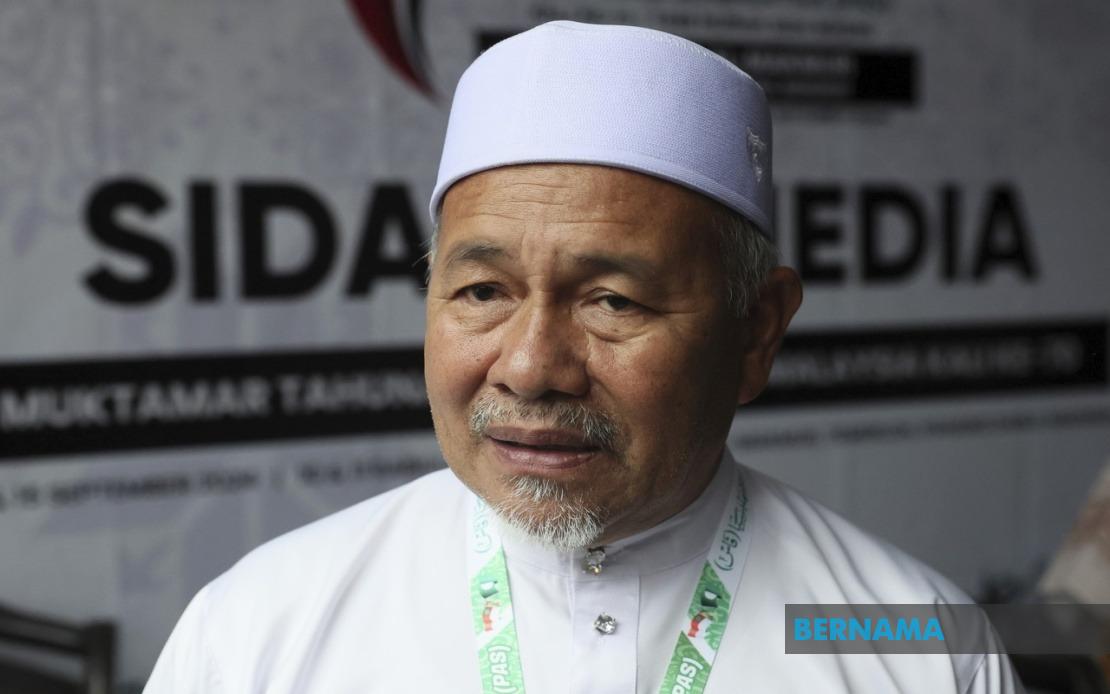
The political pressure to capture and try fugitive businessman Jho Low intensified this week as PAS, a major component of Malaysia's ruling coalition, demanded that authorities move swiftly to bring him before Malaysian courts. Speaking at a divisional gathering in Kota Bharu, Datuk Seri Tuan Ibrahim Tuan Man, the party's deputy president, stressed that Malaysia possesses both the legal authority and moral imperative to conduct its own prosecution, independent of developments in other jurisdictions.
Tuan Ibrahim's comments underscore a fundamental principle in Malaysian governance: that the nation's legal framework grants it the right to pursue cases involving crimes committed within its borders. The 1Malaysia Development Berhad scandal, which has dominated headlines and shaped political narratives across the region for nearly a decade, originated in Malaysia and devastated the country's finances and reputation. With Jho Low remaining at large and allegations of involvement in the embezzlement of billions of ringgit, the case represents unfinished business for Malaysia's judicial system.
The timing of these remarks coincides with international speculation that Jho Low might secure clemency from United States President Donald Trump. Approximately 250 individuals are reportedly being considered for presidential pardons as part of celebrations marking America's Independence Day. Such a pardon would theoretically shield Jho Low from American prosecution but would hold no legal bearing on Malaysia's sovereign right to pursue charges within its own courts. This distinction appears central to PAS's position, which rejects any notion that Malaysia should abdicate responsibility or delay action based on American judicial proceedings.
Prime Minister Datuk Seri Anwar Ibrahim reinforced this stance a day earlier, publicly affirming Malaysia's unwavering commitment to pursuing legal action against Jho Low. Anwar's statement signals alignment across the ruling coalition, suggesting that both Islamist and secular parties within government view the apprehension and trial of Jho Low as a matter of national priority. This unified messaging carries weight internationally and domestically, particularly among citizens who have witnessed the reputational damage inflicted by the 1MDB scandal on Malaysia's standing in global financial markets.
The case against Jho Low in Malaysia involves intricate allegations spanning money laundering, abuse of power, and conspiracy to commit fraud. Malaysian authorities have built a substantial legal foundation over years of investigation, and the prospect of bringing him to trial represents vindication of law enforcement efforts. For Tuan Ibrahim and PAS, expediting the extradition process and securing Jho Low's presence in a Malaysian courtroom would demonstrate that no individual, regardless of wealth or international connections, can evade accountability for crimes committed against the Malaysian state.
International cooperation remains essential to this objective. Jho Low's current whereabouts remain unclear, though intelligence suggests he has moved between multiple jurisdictions over recent years. Any American pardon would complicate but not eliminate the legal pathway for Malaysia's pursuit. Other countries maintain their own independent rights to prosecute, and bilateral extradition treaties provide frameworks through which individuals can be surrendered to face justice in different nations. Malaysia's insistence on conducting its own trial reflects broader Southeast Asian principles of national sovereignty and legal autonomy.
The 1MDB debacle has left indelible marks on Malaysian politics and economics. Billions of dollars disappeared, trust in institutions eroded, and international investors questioned governance standards. For the ruling coalition, delivering accountability in the form of a successful prosecution would address lingering questions about state capacity and the rule of law. Citizens who witnessed the scandal unfold expect that consequences will extend to all perpetrators, particularly the most prominent figures allegedly at the centre of the misconduct.
Tuan Ibrahim's call for accelerated extradition proceedings reflects impatience with a process that has already extended for years. Malaysia's authorities must coordinate with multiple countries, navigate complex legal procedures, and overcome obstacles created by Jho Low's financial resources and alleged network of enablers. The frustration evident in PAS's public statements likely mirrors broader public sentiment: the investigation and prosecution phases have consumed considerable time, and the moment for decisive action has arguably arrived.
The assertion that Malaysia will not automatically defer to American decisions carries broader implications for how Southeast Asian nations assert independence within the international legal framework. While multilateral cooperation and respect for the decisions of major powers remain important, countries must maintain the capacity and will to pursue justice on matters affecting their own populations and treasuries. Jho Low's alleged crimes strike at the heart of Malaysian national interests, making domestic prosecution both a legal right and a political imperative.
For now, the spotlight remains on whether Malaysian authorities and their international partners can locate and apprehend Jho Low. Should a pardon materialize from Washington, it would represent a significant diplomatic and legal setback, potentially emboldening other fugitives and testing Malaysia's resolve. However, the government's public commitments, across both Islamist and secular factions, suggest determination to pursue the case through available legal channels. Whether through bilateral extradition arrangements, international warrants, or other diplomatic pressure, Malaysia appears committed to ensuring that the 1MDB scandal culminates in a courtroom proceeding rather than an unprosecuted historical episode.

