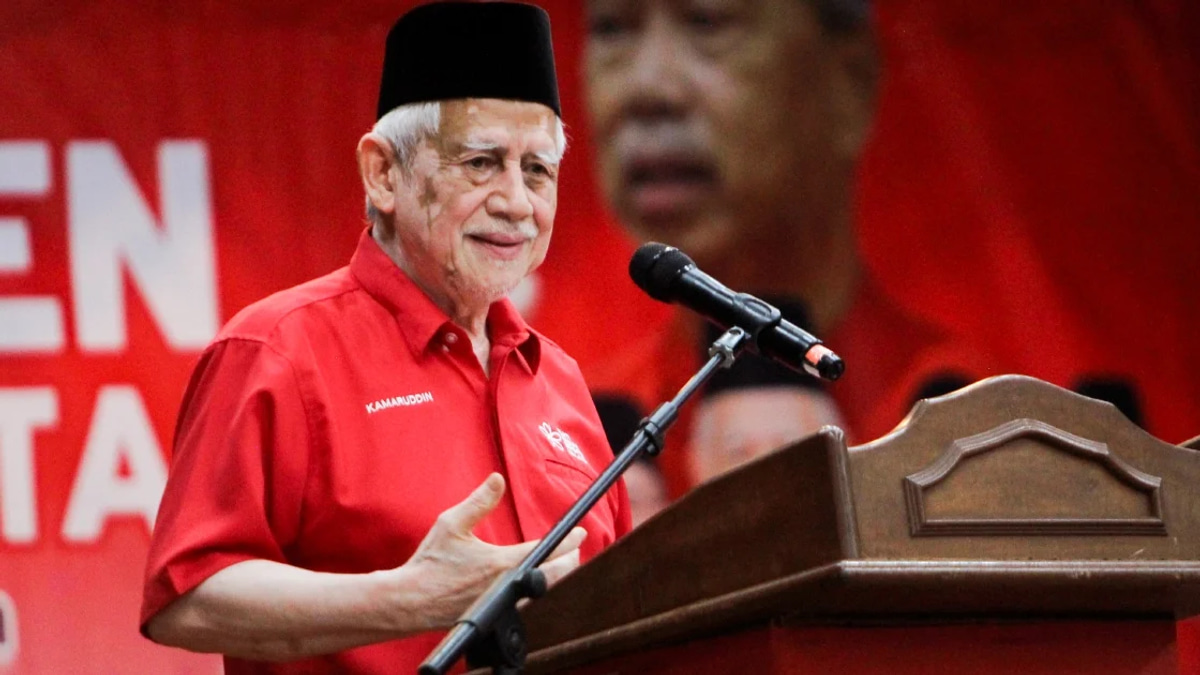
Amid growing questions about stability within the Perikatan Nasional coalition, a senior PAS figure moved swiftly this week to tamp down speculation that the Islamic party's internal deliberations could unilaterally determine the future of Bersatu's role in the bloc. The statement underscores the delicate balance of power within Malaysia's second-largest political grouping and reflects the complex dynamics that shape coalition management at the highest levels.
The timing of PAS's denial comes as observers have been closely watching internal movements within PN, particularly given the shifting allegiances and realignments that have characterised Malaysian politics in recent years. Questions about Bersatu's trajectory have periodically surfaced, reflecting underlying tensions that occasionally bubble to the surface within multi-party coalitions. By emphasising the need for collective agreement, PAS has sought to reframe any upcoming decisions as matters requiring broader consultation rather than unilateral action.
Coalition politics in Malaysia typically demands a delicate negotiation process among member parties, each bringing their own electoral strengths, regional bases, and policy priorities to the table. The Perikatan Nasional framework has long operated on the principle that significant decisions affecting individual parties' positioning would require input from the broader coalition structure. This consensus-based approach, while sometimes cumbersome, has provided a mechanism for managing disparate interests under a unified umbrella.
Bersatu's position within PN carries particular significance given the party's role in national politics and its historical evolution. As a newer entrant to Malaysian politics compared to PAS and other coalition members, Bersatu's relationship with its PN partners has been subject to periodic examination. The party's influence on coalition direction and policy matters has therefore become a topic of strategic interest for political observers tracking the health and cohesion of the grouping.
The PAS leader's intervention suggests that any formal discussion regarding Bersatu's future standing would follow established protocols within the coalition rather than being determined by individual party discussions. This procedural clarity matters significantly for coalition stability, as it establishes that unilateral action by even major component parties would not drive fundamental decisions about member status or role assignments. Such transparency helps prevent misunderstandings that could trigger wider rifts.
For Malaysian political analysts, the statement illustrates how coalition management requires constant communication and trust-building among member parties. When questions arise about any partner's position, the capacity to address them through established channels becomes crucial for maintaining overall cohesion. The emphasis on collective decision-making also reflects the reality that PN members depend on each other for electoral viability and policy implementation across multiple states and at federal level.
The broader context of Malaysian politics suggests that coalitions frequently face pressure from both internal and external forces. Opposition parties continue to position themselves as alternatives, while factional tensions within coalitions can occasionally create openings for poaching. In this environment, demonstrating unity and orderly decision-making processes becomes a mechanism for projecting strength to both supporters and potential swing voters.
Bersatu itself has navigated a complex political journey, having previously been part of other coalition arrangements and having experienced leadership transitions that affected its standing. The party's integration into PN represented a significant strategic move, and questions about its role occasionally reflect broader discussions about coalition composition and direction. By having PAS clarify that decisions about member parties require coalition-wide agreement, PN attempts to signal stability and institutional maturity.
For Southeast Asian observers, Malaysia's coalition dynamics offer insights into how diverse political forces manage representation and power-sharing in contexts of divided government. The requirement for consensus-building can slow decision-making but also prevents dominant partners from marginalising smaller constituents. This approach contrasts with more hierarchical coalition structures found in other regional democracies.
Looking forward, the emphasis on collective agreement as the prerequisite for major coalition decisions likely means that any formal examination of member parties' roles would involve structured dialogue among PN leadership. This process would presumably include Bersatu itself, ensuring that the affected party has direct voice in deliberations about its own position. Such inclusivity, while potentially time-consuming, helps legitimise outcomes among coalition partners.
The broader stability of the Perikatan Nasional coalition ultimately depends on member parties viewing the arrangement as mutually beneficial and respecting established decision-making procedures. By clarifying that Bersatu's role cannot be determined unilaterally, PAS has reaffirmed the principle that PN functions as a genuine coalition rather than a structure dominated by any single partner. This message carries implications for how all member parties assess their long-term commitment to the grouping.