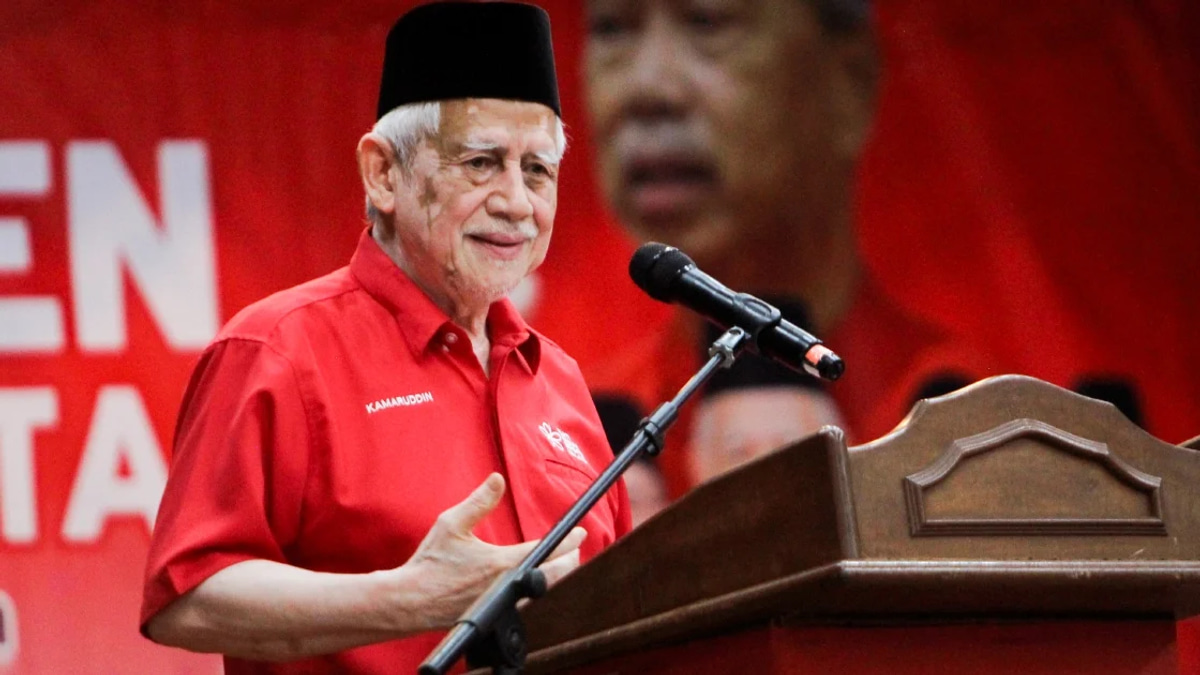
The fissures within Malaysia's Perikatan Nasional coalition have widened considerably, with PAS now demanding that its partner Bersatu choose between maintaining the alliance or pursuing electoral competition. PAS vice-president Amar Abdullah has accused Bersatu president Muhyiddin Yassin of hypocrisy, characterising it as fundamentally inconsistent for the latter to simultaneously champion the coalition while publicly discussing plans to contest seats held by PAS representatives.
This escalating tension exposes the fragility of the PN arrangement, which has served as the primary opposition bloc and a counterweight to the federal government. The coalition's credibility hinges on member parties demonstrating loyalty through electoral cooperation, yet internal contradictions appear to be undermining this foundational premise. Amar Abdullah's pointed remarks suggest that PAS, as the coalition's dominant Islamic party, expects unambiguous commitment from other members rather than what it perceives as calculated ambition.
Bersatu's position within PN has already proven complicated. The party, led by former Prime Minister Muhyiddin Yassin, has simultaneously attempted to position itself as a kingmaker while managing its own electoral ambitions. Recent statements from Bersatu leadership indicating potential contests against PAS in certain constituencies have triggered alarm bells within the Islamic party's leadership, who view such moves as a fundamental breach of coalition discipline and trust.
The timing of this confrontation carries significance for Malaysia's political landscape. As the nation moves closer to the next electoral cycle, coalitions must demonstrate internal cohesion to present a unified challenge to incumbent governments. PN's ability to function as a credible opposition force depends on member parties avoiding direct confrontation and maintaining clear electoral boundaries. When coalition partners begin eyeing each other's seats, the entire structure becomes vulnerable to erosion from within.
From a Malaysian perspective, this dispute underscores a recurring problem in opposition politics: the tension between coalition solidarity and individual party ambitions. Smaller parties often struggle with the arithmetic of electoral cooperation—they can either maintain alliances that provide legitimacy and resource-sharing benefits, or pursue aggressive individual strategies that might result in splitting the anti-government vote. For Bersatu, the calculation appears particularly fraught, as the party lacks the grassroots infrastructure and religious credibility of PAS, yet seeks to present itself as a significant political force.
PAS's ultimatum also reflects the party's growing confidence within the opposition bloc. As the largest Islamist party with substantial representation in several states, PAS increasingly sets terms for coalition participation rather than accommodating other members' ambitions. The party's electoral performance in recent contests has strengthened its negotiating position, allowing leaders like Amar Abdullah to speak with greater authority about maintaining coalition boundaries.
Regionally, the PN discord mirrors broader patterns across Southeast Asia where opposition coalitions struggle to maintain unity. The tendency for alliance members to prioritise short-term competitive gains over long-term coalition viability has undermined opposition effectiveness in several neighbouring democracies. Malaysia's political players would do well to recognise that uncontrolled competition within coalitions typically benefits the ruling establishment by fracturing the opposition vote and eroding public confidence in alternative governance models.
The practical implications of this standoff extend beyond high-level political posturing. Grassroots supporters, party machinery, and electoral volunteers require clear signals about priorities and strategy. When coalition leaders engage in public disputes over electoral boundaries and commitment levels, these signals become muddied, potentially demoralising cadres who sacrifice time and resources for the broader political project. This internal distraction comes at a cost, particularly when opposition parties should be focusing collective energy on developing alternative policies and challenging government positions on substantive issues.
Muhyiddin Yassin's position remains strategically delicate. Bersatu requires the PN framework to maintain relevance—the party would likely struggle to contest effectively as an entirely independent entity given its limited organisational depth outside Peninsular Malaysia's key strongholds. Simultaneously, however, Bersatu's leadership appears convinced that greater electoral assertiveness could expand the party's seat count and influence. This contradiction between stated commitment to PN and apparent unilateral ambitions lies at the heart of PAS's frustration.
Moving forward, the coalition faces a choice between enforcing stricter electoral discipline or accepting a more loosely structured arrangement where members pursue individual strategies within agreed parameters. Neither option appears particularly appealing. Strict discipline risks triggering resentment and potential defections from ambitious parties seeking greater autonomy, while loose arrangements undermine the coalition's coherence and electoral effectiveness. Resolution will likely require difficult negotiations about resource allocation, seat distribution, and the specific mechanisms through which coalition members can pursue targeted growth without triggering wholesale conflict.
The PAS ultimatum also highlights the fundamental challenge facing Malaysian opposition politics: building durable coalitions in a system where individual parties retain strong incentives to compete. Until opposition leaders develop more sophisticated mechanisms for managing internal competition while maintaining coalition unity, disputes like the current PAS-Bersatu friction will continue to surface, potentially at critical junctures in the political cycle.