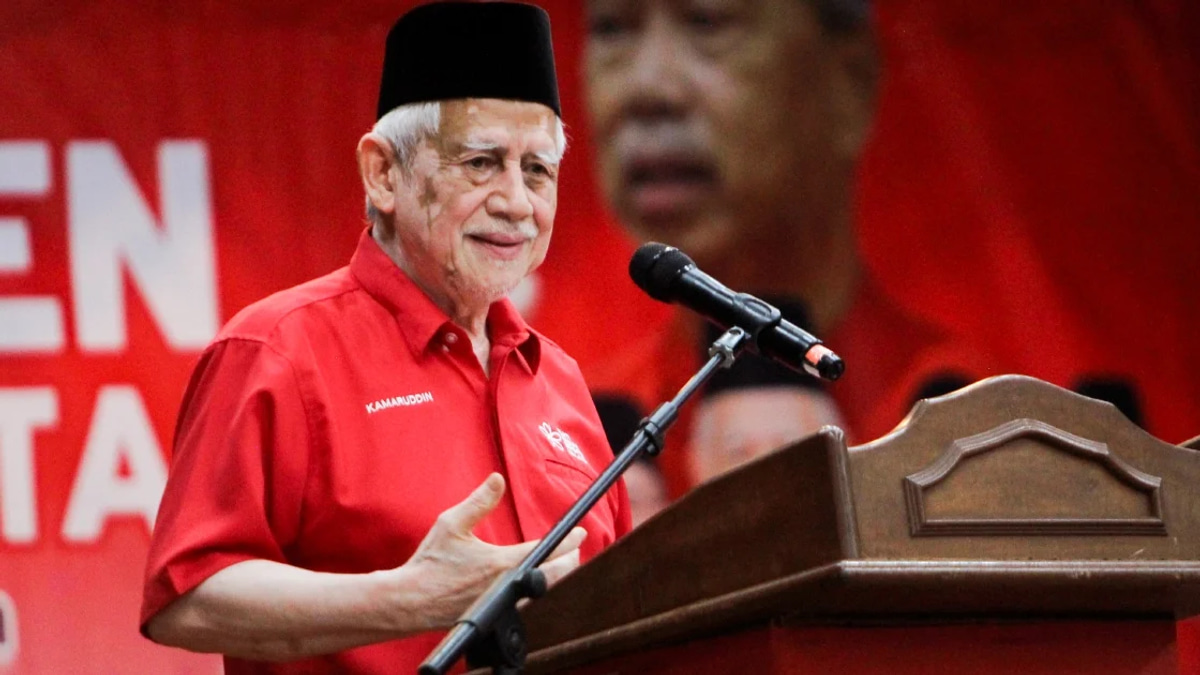
PAS convened a significant gathering of its parliamentary members at its headquarters on Jalan Raja Laut in Kuala Lumpur, with multiple party leaders arriving throughout the day to participate in what the organisation characterised as a pre-council meeting for opposition members of parliament. The session represents a notable show of unity within the Islamic party at a time when the broader opposition coalition faces considerable internal strain.
The timing of this assembly carries particular significance given the intensifying disagreements between PAS and Bersatu, two major components of Malaysia's opposition political ecosystem. These two parties have increasingly diverged on matters of strategy and principle, creating friction that threatens to undermine the collaborative framework that has defined opposition politics since the 2022 general election.
The meeting's designation as an opposition pre-council session suggests PAS is attempting to coordinate messaging and policy positions across its parliamentary wing. This type of gathering typically serves to align members before major parliamentary sessions or to prepare responses to government initiatives, though the current context hints at deeper organisational consolidation.
Bersatu's emergence as a distinct political entity and its subsequent repositioning within Malaysia's political landscape has created unexpected complexities for opposition coalition management. What appeared to be a stable arrangement has given way to mounting tensions rooted in differing visions for the direction and governance of the opposition bloc.
For Malaysian observers, the visible deterioration of relationships between PAS and Bersatu carries implications that extend beyond factional disputes. Coalition stability has been central to Malaysia's political balance since the 2020 leadership transition that brought Tan Sri Muhyiddin Yassin to the prime ministerial office. While Muhyiddin subsequently left Bersatu and the government to join the opposition, the party's trajectory and relationships remain subjects of intense scrutiny.
The broader context involves questions about identity and ideology within the opposition. PAS, as an Islamist party with particular social and religious imperatives, operates from a distinct ideological framework compared to Bersatu, which emerged from UMNO's institutional apparatus. These fundamental differences have surfaced repeatedly in coalition negotiations and policy discussions.
PAS's decision to hold this preparatory meeting reflects the party's awareness that opposition cohesion requires active management. By bringing together its parliamentary contingent, PAS signals both internal discipline and readiness to defend its positions in the legislature. The gathering also serves as an opportunity to brief members on party positions regarding ongoing parliamentary business and government policy.
The deepening rift between PAS and Bersatu potentially reshapes the opposition's overall negotiating position. A fragmented opposition bloc struggles to present unified alternatives to government proposals, particularly on matters requiring broad consensus. Such division has historically advantaged incumbent administrations, which can exploit opposition disagreements to advance their agenda.
For Southeast Asian observers tracking Malaysian political developments, these internal opposition tensions reflect broader regional patterns. Coalition politics across Southeast Asia frequently faces sustainability challenges as parties struggle to balance their distinct identities with collaborative imperatives. The Malaysian case offers insights into how ideologically different parties attempt to function within common frameworks.
The PAS gathering also underscores the strategic importance of parliamentary operations in Malaysian politics. With the government's parliamentary majority sometimes appearing precarious, the coordination and discipline of opposition parliamentarians assume heightened significance. Each pre-council meeting represents an opportunity to tighten message discipline and prepare coordinated responses to government initiatives.
Looking forward, whether PAS and Bersatu can reconcile their differences or whether this rift becomes permanent remains uncertain. The trajectory of their relationship will substantially influence opposition effectiveness in the coming parliamentary term. The Jalan Raja Laut meeting represents just one moment in an evolving process of coalition recalibration that will likely dominate opposition politics throughout the remaining months of this parliamentary session.
The convergence of PAS leaders in Kuala Lumpur ultimately illustrates the complex dynamics at play within Malaysia's political opposition. As tensions with Bersatu mount, PAS must navigate the delicate balance between maintaining coalition relationships and protecting its distinct political identity and interests. How the party manages this tension will significantly determine the shape of opposition politics and, by extension, the nature of parliamentary competition in Malaysia.