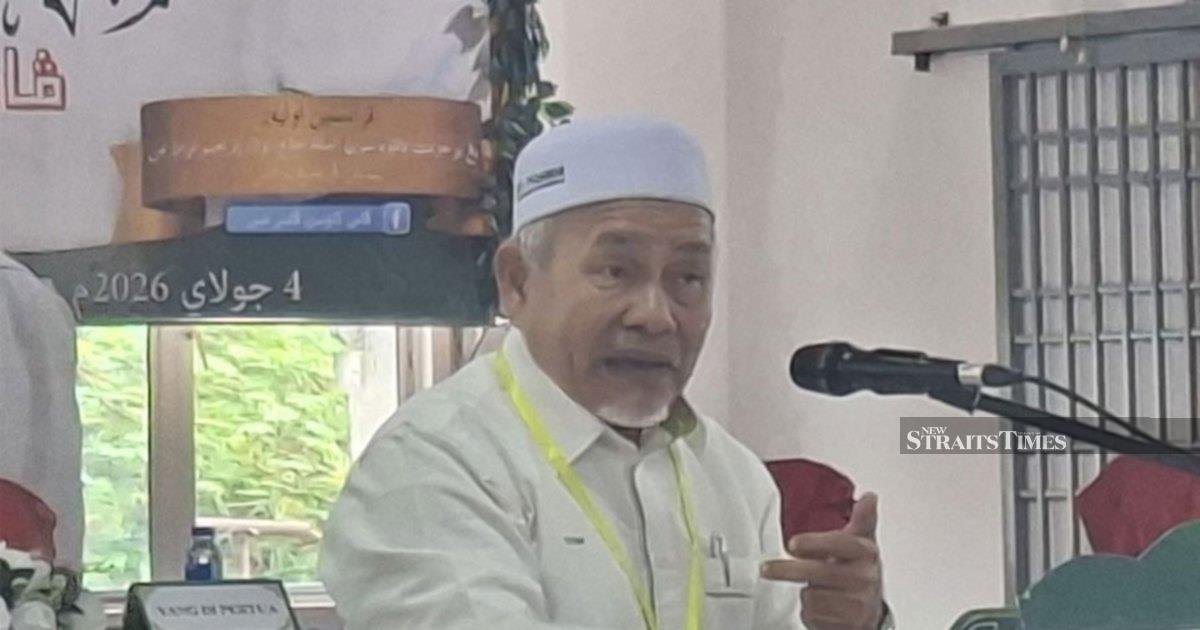
The Malaysian Islamic Party (PAS) has signalled flexibility in its coalition arrangements, announcing that the party remains receptive to political cooperation even as it prioritises consolidating Perikatan Nasional's position ahead of Negeri Sembilan's forthcoming election. The statement, made from the party's base in Kota Baru, reflects PAS's approach of balancing broader political possibilities with its immediate electoral objectives in the state.
This measured stance represents a strategic calculation by PAS leadership as the political landscape across Malaysia's states continues to shift. The party's willingness to explore cooperation extends beyond its existing partnership with PN, though senior figures have emphasised that strengthening the PN coalition remains the primary focus for the current electoral cycle. The approach suggests PAS is neither closing doors to other potential alliances nor allowing speculation about alternative arrangements to distract from consolidating current coalitional strength.
The timing of this pronouncement is significant given the mounting attention on Negeri Sembilan's political future. As the state has historically presented challenges for various coalitions, PAS's emphasis on deepening PN's organisational capacity and grassroots mobilisation indicates the party believes that electoral victory depends more on improving existing structures than pursuing untested partnerships. This strategic sequencing—stabilising what exists before exploring what might be—reflects lessons learned from previous state-level contests across the region.
PAS's positioning also acknowledges the complex interplay of factions within Malaysian politics. The Islamic party has substantial following in rural Negeri Sembilan constituencies, making its organisational commitment crucial to PN's performance. By publicly reaffirming dedication to PN whilst signalling openness to broader arrangements, PAS navigates expectations from multiple quarters: PN coalition partners, potential allies outside the current arrangement, and grassroots supporters who may harbour different political preferences.
For PN as a coalition, PAS's commitment carries tangible weight. The party's traditional strongholds in Muslim-majority and rural areas complement the electoral map PN requires to secure government in Negeri Sembilan. The Islamic party's ground machinery, developed over decades of organising in these constituencies, remains difficult for competitors to replicate quickly. By focusing resources on activating these networks before the election, PAS positions itself as integral to PN's success.
From a broader Malaysian political perspective, PAS's measured approach reflects the country's current coalition volatility. Since 2018, alignments have shifted multiple times, leading voters and analysts to view political partnerships with increasing scepticism. A party that appears too rigid invites criticism for blocking cooperation; one that seems too flexible invites accusations of unprincipled opportunism. PAS's current formulation—committed to PN but acknowledging possibilities—attempts to navigate this perception minefield.
The statement also carries implications for rival coalitions preparing for Negeri Sembilan. By maintaining that cooperation options remain open, PAS implicitly signals that no arrangement is permanent, which could encourage opposition parties to continue cultivating relationships across PAS's leadership and membership. However, the emphasis on PN consolidation suggests such cultivation efforts would likely prove unsuccessful whilst electoral preparations remain the dominant concern.
Negeri Sembilan's political significance extends beyond the state itself. As a pivotal swing state that has alternated between different governments in recent electoral cycles, outcomes there influence national coalition mathematics and opposition morale. PAS's focus on this particular state election demonstrates the party's understanding that state-level victories contribute to national political momentum, especially when achieved through strong organisational performance rather than defections or backroom arrangements.
The party's base in Kota Baru—the Kelantan capital where PAS maintains overwhelming influence—also symbolises the Islamic party's confidence in mobilising support across states where it holds comparable strength. Negeri Sembilan has constituencies where PAS commands respect among particular demographic segments, and the party's leadership believes these areas can be leveraged effectively within PN's broader state strategy rather than pursued through alternative arrangements that might fragment the coalition's message or resources.
Moving forward, PAS's approach will likely define PN's campaign narrative in Negeri Sembilan. Rather than costly internal coalition negotiations about seat allocations or campaign emphasis, party leadership can focus on projecting unity and organisational readiness. The Islamic party's willingness to remain focused on PN whilst keeping diplomatic channels open internationally accommodates both PN's immediate needs and PAS's longer-term positioning within Malaysia's evolving political equilibrium.
As Negeri Sembilan's election approaches, observers will watch whether PAS's commitment translates into measurable gains—whether in terms of vote share, seat victories, or strengthening the party's standing within PN. Success here would validate the party's strategic choice to deepen existing coalitional arrangements rather than pursuing alternative options. Failure, conversely, might accelerate the exploration of broader cooperation possibilities that PAS has kept rhetorically available.

