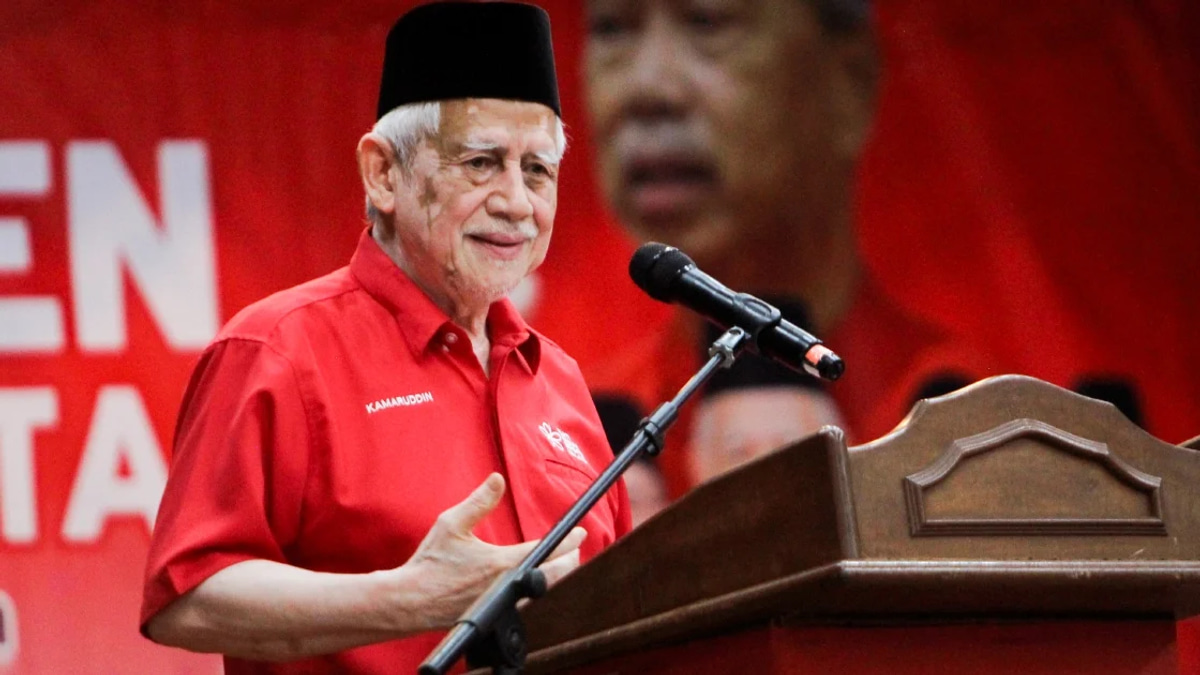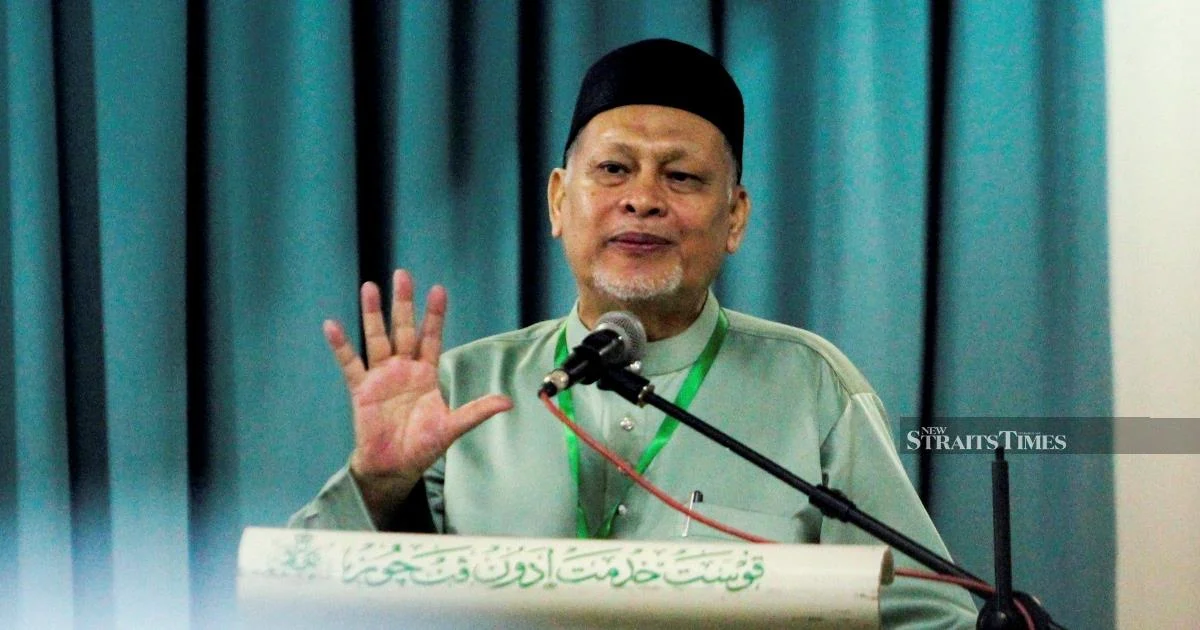
The Islamic party PAS has taken issue with Tan Sri Muhyiddin Yassin's recent pronouncement regarding Bersatu's deployment of the Perikatan Nasional emblem in the coming state elections in Johor and Negri Sembilan, characterising the move as premature and lacking proper consultation. The criticism underscores deepening fractures within the opposition coalition that has struggled to maintain unity since its formation, particularly as electoral contests loom and coalition partners jostle for position and resources.
Muhyiddin's statement, made without apparent coordination with other PN member parties, appears to have caught PAS off guard and triggered a sharp rebuke from the Kota Baru-based leadership. The timing of his announcement, coupled with what PAS views as a unilateral decision-making process, has reignited concerns about governance structures within the coalition and the mechanisms through which major strategic decisions should be negotiated and approved among member parties.
The disagreement over logo usage carries significance beyond mere branding mechanics. In Malaysian electoral contests, the party logo serves as a critical visual identifier for voters and carries symbolic weight that influences campaign effectiveness and voter recognition. The decision to utilise the coalition banner rather than individual party symbols represents a strategic choice with implications for how votes are cast and counted, potentially affecting the distribution of electoral advantage among coalition members.
PAS, as one of the original architects of the Perikatan Nasional coalition, possesses substantial leverage within the partnership and has demonstrated a willingness to voice discontent when it perceives marginalisation or insufficient consultation. The party's objection to Muhyiddin's approach reflects broader anxieties about power dynamics within the coalition, particularly regarding which leaders exercise decision-making authority and how major policy matters are determined.
The Johor and Negri Sembilan state elections represent crucial battlegrounds for the opposition coalition's credibility and electoral momentum heading into the national parliament contest. Both states have historically demonstrated volatile voting patterns, and their outcomes will carry weight in assessments of whether the PN coalition can effectively challenge the ruling Pakatan Harapan administration at federal level. The electoral stakes therefore amplify the significance of internal disagreements over campaign strategy and presentation.
Muhyiddin's tenure as Perikatan Nasional chairman has witnessed periodic tensions with coalition partners, particularly PAS, over strategic direction and resource allocation. These periodic eruptions of discord suggest underlying structural weaknesses in how the coalition governs itself and resolves disputes between members with competing interests and territorial bases. The lack of apparent formal mechanisms for resolving such disagreements has created a pattern of public recriminations that damage coalition credibility among voters.
For Malaysian political observers, the episode illustrates the fragility of opposition coalitions that depend upon maintaining consensus among ideologically diverse partners. PAS, with its Islamic agenda, sits uneasily alongside Bersatu and other secular-oriented PN components, and differences over strategic questions frequently surface publicly, exposing what critics characterise as an unstable governing arrangement that lacks the institutional coherence necessary for credible alternative governance.
The logo dispute also raises questions about the coalition's preparedness for the state elections themselves. Professional campaign operations typically resolve such technical matters well in advance through coordinated planning and documented agreements. The fact that such fundamental questions remain unresolved at this late stage suggests potential organisational deficiencies that could translate into campaign ineffectiveness when voting commences.
Regional observers across Southeast Asia frequently cite Malaysia's political management challenges as indicative of broader democratic fragility in the region. The recurring cycle of coalition formation, internal dysfunction, and public disputes provides fodder for those who question whether multiparty coalitions can effectively govern without fundamental institutional reforms that clarify decision-making procedures and establish binding protocols for major strategic determinations.
The PAS objection may also signal the party's intention to pursue more assertive positioning ahead of the state elections, potentially by insisting on enhanced campaign resources or greater autonomy in candidate selection and electoral strategy. The party's vocal criticism creates space for negotiation and allows PAS to demonstrate independence to its grassroots supporters, who may worry about subordination within a broader coalition framework.
As both state elections approach, resolution of the logo controversy becomes increasingly urgent. Whether coalition leadership can broker a compromise that preserves PN unity while addressing PAS concerns will provide an early indicator of the partnership's capacity to function effectively under pressure. The outcome may also influence voter perception of the coalition's readiness for national governance, with disunity potentially dampening enthusiasm among opposition supporters who have expressed desire for stable alternative leadership.