PAS is set to formally table a motion addressing its strategic cooperation with Umno at its forthcoming muktamar, signalling the party's intention to transparently engage its grassroots membership on a partnership that has become increasingly central to Malaysian politics. The move reflects PAS leadership's recognition that the trajectory of its alliance with Umno warrants deliberation among party delegates, who wield considerable influence over party direction and policy endorsement. By bringing the matter to the assembly floor, PAS demonstrates a commitment to internal democratic processes even as the party navigates the complexities of maintaining a durable coalition with its larger partner.
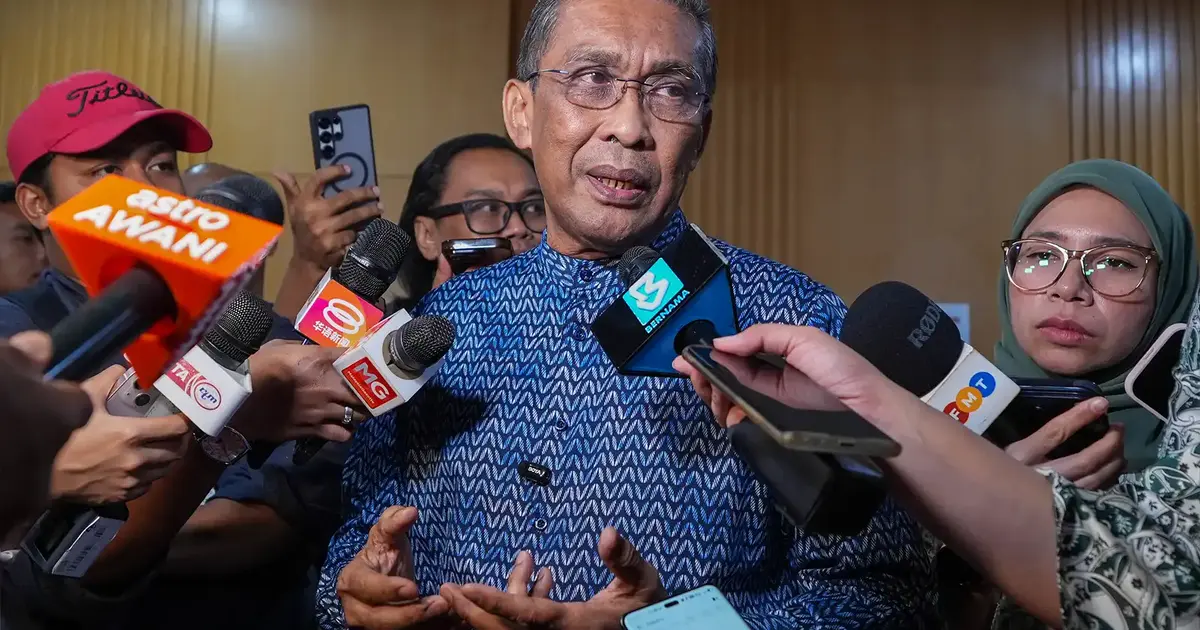
According to PAS secretary-general Takiyuddin Hassan, the motion will occupy a prominent position in the party assembly's agenda, indicating that leadership views the Umno partnership as sufficiently consequential to merit structured discussion rather than remaining confined to higher echelons of the party hierarchy. This approach suggests that the party recognises grassroots sentiment regarding Umno cooperation may be mixed, ranging from enthusiastic endorsement to concerns about maintaining PAS's independent identity and religious authority within the coalition framework. The decision to bring the matter to delegates also demonstrates confidence that the assembly will ultimately validate the leadership's strategic orientation, or at least provide a venue for managed consensus-building.
The muktamar will simultaneously address broader questions of Muslim unity, a recurring theme in PAS political messaging that resonates deeply with the party's ideological base. For PAS, Muslim unity has traditionally served as both a genuine religious principle and a political rallying cry, enabling the party to frame its alliances and policy positions within a larger narrative of Islamic solidarity. The inclusion of Muslim unity discussions alongside the Umno motion creates a conceptual linkage, suggesting that PAS leadership intends to present its coalition stance as an expression of broader Islamic cooperation objectives rather than merely transactional political pragmatism.
This dual-track agenda reflects the delicate balance PAS must maintain between its Islamist identity and its role as a pragmatic player in Malaysia's coalition politics. The party has historically leveraged Islamic discourse to mobilise support and maintain organisational cohesion, yet in recent years has increasingly aligned itself with Umno, a party dominated by secular-minded leaders despite its nominal position within the Malay-Muslim political space. By foregrounding Muslim unity at the same assembly where Umno cooperation is debated, PAS offers delegates a framework for reconciling these potentially competing imperatives.
The timing of this motion carries significance within Malaysia's current political landscape, where the PAS-Umno partnership has become a dominant force in federal governance. Since their deepening alignment, particularly following the 2020 political transition, the two parties have substantially reshaped the government's composition and policy direction. For delegates gathering at the muktamar, this motion represents an opportunity to assess whether the partnership is delivering outcomes consistent with PAS's stated objectives, including the advancement of Islamic interests and the interests of the Malay-Muslim majority within the federation.
From a broader Southeast Asian perspective, the formalisation of PAS-Umno cooperation through internal party mechanisms illuminates how Islamist parties navigate participation in pluralistic democratic systems. PAS's willingness to subject its strategic partnerships to membership scrutiny, even while maintaining firm leadership control over the party's ultimate direction, reflects a particular model of party governance that has emerged across the region. This approach distinguishes PAS from movements that operate through more opaque decision-making structures, while simultaneously allowing leadership to retain ultimate authority over major strategic choices.
The inclusion of Muslim unity as a concurrent theme within the muktamar underscores how PAS continues to situate its political actions within religious and civilisational frameworks rather than purely sectarian or electoral calculations. This rhetorical strategy has proven effective in maintaining the party's base, which increasingly comprises educated urban voters alongside traditional rural constituencies. By coupling the Umno motion with discussions on Muslim unity, PAS leadership reinforces the narrative that its political choices serve transcendent religious purposes rather than merely advancing narrow partisan interests.
For Malaysian political observers, the specific language and tone adopted by delegates during muktamar debates on these motions will offer valuable indicators of grassroots sentiment within PAS regarding Umno cooperation and the party's overall strategic direction. Assembly proceedings typically reflect carefully managed consensus, yet occasionally reveal tensions between different factions or generational cohorts within the party. Monitoring delegate responses will illuminate whether concerns exist regarding the PAS-Umno partnership or whether the membership has solidified behind the leadership's chosen course.
The motion's presentation also carries implications for Malaysia's broader political stability. A strong endorsement of PAS-Umno cooperation at the muktamar would signal confidence in the partnership's durability and suggest that the party's institutional structures remain aligned with senior leadership preferences. Conversely, any significant expressions of reservation or dissent would potentially complicate the coalition's operations and create openings for political opponents to exploit divisions within PAS's ranks. This assembly therefore functions as both an internal democratic exercise and a public statement to other political actors regarding the solidity of arrangements that significantly influence Malaysian governance.

