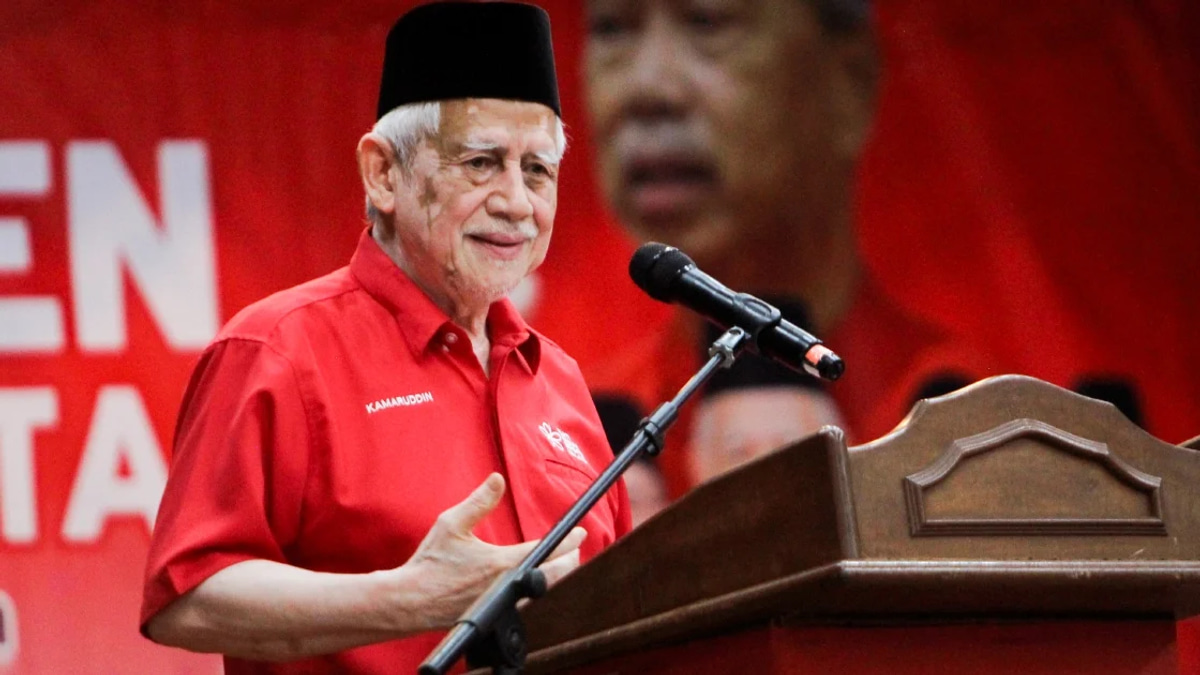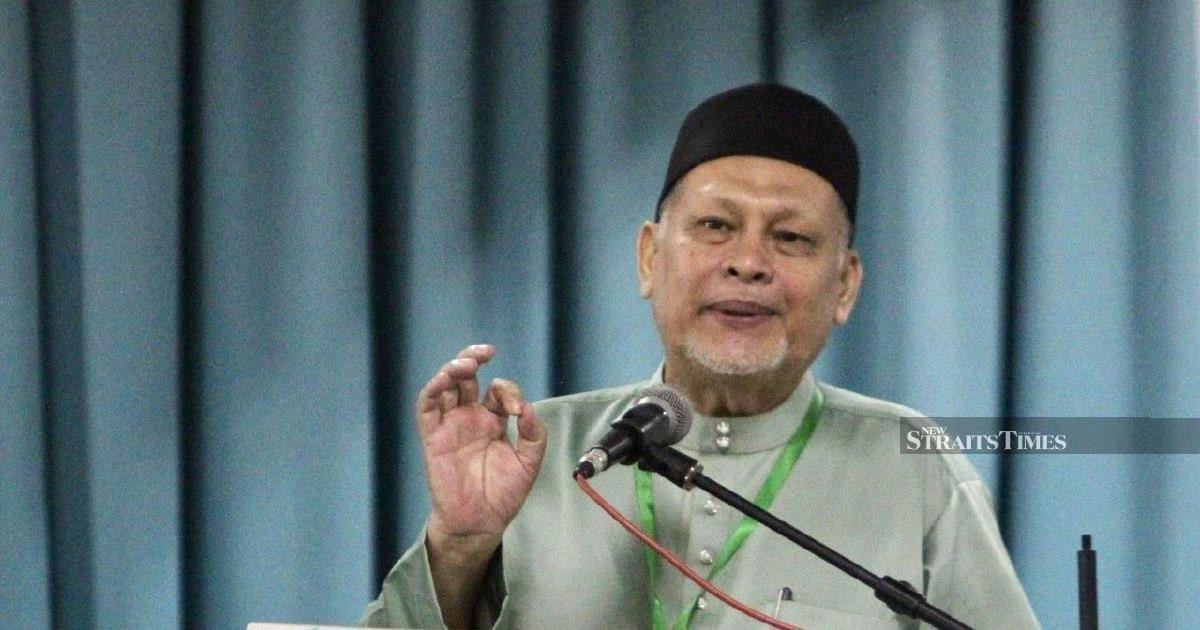
The Islamic party PAS has sounded alarm bells regarding the intensifying competition for Malaysia's youth vote, as a clutch of new political entrants seeks to disrupt traditional party boundaries ahead of the upcoming general election. Speaking in Kota Baru, party leadership acknowledged that this emerging phenomenon represents one of the more pressing obstacles the party must navigate in the coming electoral cycle, signalling internal recognition that the youth demographic—traditionally volatile and difficult to mobilise—has become an increasingly contested battleground among competing political movements.
The VP's candid remarks underscore a reality facing many established Malaysian political organisations: younger voters are showing diminishing loyalty to traditional party structures, instead gravitating towards new formations that promise fresh political narratives and alternative visions. This realignment poses particular difficulty for PAS, which has historically anchored its support within older, more religiously conservative voting blocs while struggling to cultivate sustainable appeal among urban millennial and Gen Z constituencies. The emergence of parties specifically calibrated to attract this demographic suggests that conventional outreach methods may prove insufficient for the Islamic party to defend its electoral position.
The timing of these concerns is significant, coming as Malaysia enters the political calendar window when GE16 preparations intensify. New political parties have calculated that the youth electorate represents an untapped opportunity, particularly given the apparent disenchantment many younger Malaysians harbour towards conventional political establishments perceived as out of touch with contemporary concerns. These alternative formations typically emphasise themes such as economic opportunity, social justice, climate action, and technological innovation—issues that resonate more powerfully with younger voters than traditional party messaging centred on religious governance or established communal networks.
For PAS specifically, the challenge cuts deeper than simple electoral mathematics. The party's Islamic identity and governance priorities, while remaining central to its core support base, have created a perception gap with youth voters seeking secular policy solutions to practical, everyday problems. This generational divide reflects broader tensions within Malaysian politics, where young voters increasingly view traditional ideological boundaries as less relevant than tangible outcomes in housing affordability, employment prospects, education quality, and environmental sustainability. The Islamic party's historical strength in rural and semi-urban areas may prove disadvantageous as these constituencies become more cosmopolitan and digitally connected.
The VP's acknowledgement that new party competition represents a genuine strategic concern rather than mere electoral noise reflects sober internal assessment of PAS's vulnerabilities. Unlike opposition-aligned parties that can compete for anti-establishment sentiment, or ruling coalition entities that leverage incumbency advantages, PAS occupies an increasingly crowded middle ground where its unique value proposition to younger voters remains unclear. The party's recent emphasis on developmental governance and social welfare initiatives represents an attempt to broaden appeal, yet these messages have not yet demonstrably broken through to younger demographics at scale.
New political formations targeting youth voters typically operate with organisational advantages that benefit insurgent movements: leaner structures, digital-native communication strategies, and absence of legacy baggage associated with decades of parliamentary involvement. They can position themselves as genuinely novel alternatives to the established order, unburdened by historical political alliances or policy compromises that newer generations view as evidence of institutional capture. This asymmetry places traditional parties like PAS at a structural disadvantage regardless of policy merits or programmatic strengths.
The Malaysian context amplifies these challenges considerably. The nation's youth constitute an expanding proportion of the total eligible electorate, meaning that whichever parties successfully mobilise this demographic gain disproportionate electoral leverage. Currently, youth voter turnout remains variable, creating both peril and opportunity—low engagement benefits incumbent players relying on established voter networks, while high mobilisation could dramatically reshape parliamentary mathematics. New parties specifically targeting young voters thus represent not merely electoral competition but potential catalyst for fundamental shifts in Malaysia's political equilibrium.
PAS's public articulation of this concern serves multiple functions: it alerts party members to evolving competitive threats, signals to grassroots supporters the need for renewed engagement efforts, and subtly flags to the leadership the necessity of strategic adaptation. However, translating such warnings into effective counter-strategies remains challenging, particularly given the deep structural challenges PAS faces in reorienting messaging and organisational culture towards younger constituencies without alienating existing support bases that remain critical to electoral viability.
The party's pathway forward likely requires multifaceted approach: targeted digital engagement strategies, recruitment of young candidates who authentically connect with peer constituencies, policy platform adjustments that address youth-specific concerns without diluting Islamic credentials, and partnership opportunities with youth-focused civil society organisations. Yet even these measures face credibility hurdles, as younger voters frequently view such initiatives as performative rather than substantive. PAS must essentially convince youth voters that its Islamic governance framework actively improves their material circumstances and life prospects—a case it has historically found difficult to make beyond its core base.
Looking ahead toward GE16, this competitive pressure on the youth vote will intensify rather than diminish. Other established parties undoubtedly face similar pressures from new entrants seeking to disrupt traditional political configurations. Yet the Islamic party's particular theological commitments and historical constituency composition may render it especially vulnerable to this new competitive dynamic, requiring nothing less than fundamental recalibration of its political and organisational strategy.