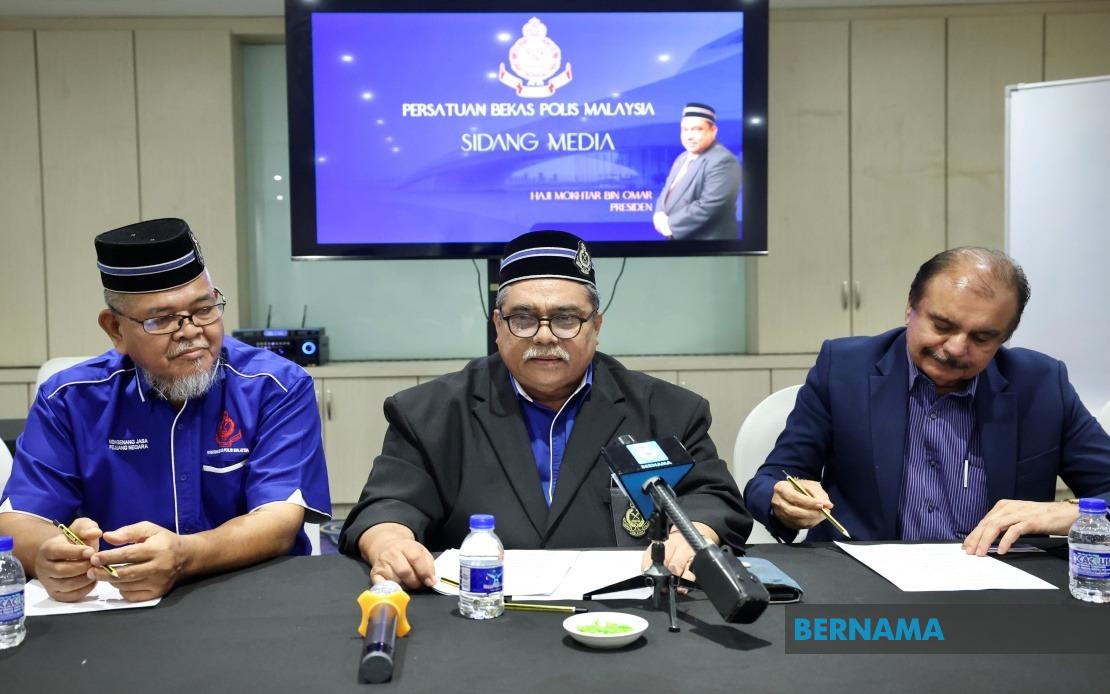
The Malaysian Ex-Police Association (PBPM) has made a fresh appeal to the government to establish a monthly cost-of-living allowance scheme for non-pensionable former police personnel, arguing that such support would represent a fitting acknowledgement of their contributions to national security during a critical period in Malaysia's history. According to PBPM president Mokhtar Omar, among the association's 86,000 registered members, approximately 40,000 fall into the non-pensionable category—a group that includes officers who served in specialised units such as the Special Squad and Home Guard, as well as contract inspectors who worked during the Emergency period.
The distinction between pensionable and non-pensionable personnel has created a two-tier system within Malaysia's retired police workforce, leaving a significant minority without regular income support in their later years. Those serving in contract or temporary roles, particularly during the Emergency era that lasted until 1960, were never enrolled in pension schemes that would have provided retirement security. This structural gap in social protection has become increasingly acute as living costs have risen substantially across Malaysia, placing vulnerable retirees in precarious financial circumstances despite their years of service protecting national interests.
Mokhtar emphasised that the affected cohort faces particular hardship because they have exhausted their working years and can no longer generate income through employment. The passage of time has also worked against them—the Emergency is now more than six decades in the past, and the dwindling number of surviving officers strengthens the case for intervention on humanitarian grounds. He pointed out that the government would not face an excessive fiscal burden by extending assistance to this ageing population, given that fewer individuals remain alive from this historical period.
The proposed allowance structure would range between RM300 and RM500 monthly, a modest sum designed to alleviate immediate hardship rather than provide comprehensive income replacement. Such figures reflect the realities of Malaysian cost-of-living standards and acknowledge that beneficiaries likely receive some form of supplementary income or family support, yet remain vulnerable to sudden shocks such as medical emergencies or inflation spikes.
Beyond the monthly allowance proposal, PBPM has also recommended a comprehensive review of the Police Heritage Trust Fund (TAWP), a mechanism already established to assist retired police personnel. The association seeks to expand both the quantum of support available and the scope of eligible expenses, incorporating provisions for educational assistance to dependents, healthcare access, and emergency relief during natural disasters or personal crises. This broader approach recognises that pensioner welfare extends beyond basic living costs and encompasses family security and dignity in old age.
The association's Information Chief, Datuk Dr Basant Singh Sidhu, announced plans for a major fundraising initiative scheduled for October, targeting RM1 million in contributions from corporate partners and private donors. This dual-track strategy—simultaneously lobbying government while mobilising private sector support—reflects the reality that public sector resources face competing demands and that civil society can play a meaningful complementary role in addressing welfare gaps.
The intended uses of fundraised capital demonstrate the practical nature of the support gap facing these retirees. Medical equipment, wheelchairs, hearing aids, and nutritional supplements represent essential items that enable dignified independent living yet remain financially inaccessible to those on minimal incomes. The focus on such specific needs indicates that PBPM leadership understands the health vulnerabilities of an ageing population and the cascading consequences when basic assistive devices remain unaffordable.
From a policy perspective, this appeal highlights an important accountability question regarding how Malaysia treats former security personnel who served during transformative historical periods. The Emergency era officers made genuine sacrifices during a time when the nation's territorial integrity and political stability were genuinely threatened. The subsequent failure to extend pension coverage to contract workers, while understandable from a mid-twentieth-century administrative standpoint, has created present-day inequities that warrant rectification.
The 40,000 affected individuals represent a manageable policy target—neither so large as to create astronomical budget demands nor so small as to be demographically insignificant. Many are now entering their eighties or nineties, suggesting that the financial commitment would decline organically over time as the population ages further. This temporal dimension actually strengthens the case for urgent action, as delaying intervention means some eligible individuals may not survive to benefit from assistance they indisputably deserve.
For Malaysian policymakers, this petition reflects broader questions about intergenerational equity and historical justice in the context of pension and welfare policy. Other sectors including military personnel, civil servants, and emergency responders face varied pension arrangements, and the precedent set for police personnel could influence expectations across the security and public service domains. The government's response will signal its commitment to comprehensive social protection for those who served the nation during critical junctures.
The PBPM initiative also demonstrates how civil society organisations can effectively advocate for neglected populations while mobilising complementary resources through fundraising. By combining legislative petition with concrete fundraising efforts, the association positions itself as a solution partner rather than a supplicant, potentially enhancing its persuasiveness with policymakers who may view matching private and public contributions as efficient use of limited government resources.
Ultimately, addressing the needs of 40,000 non-pensionable former police officers represents both a moral imperative grounded in recognising past service and a practical investment in social stability. Providing dignified retirement support to those who safeguarded national security during the Emergency constitutes an obligation that transcends narrow fiscal accounting and reflects a society's values regarding those who served in dangerous circumstances for modest compensation.

