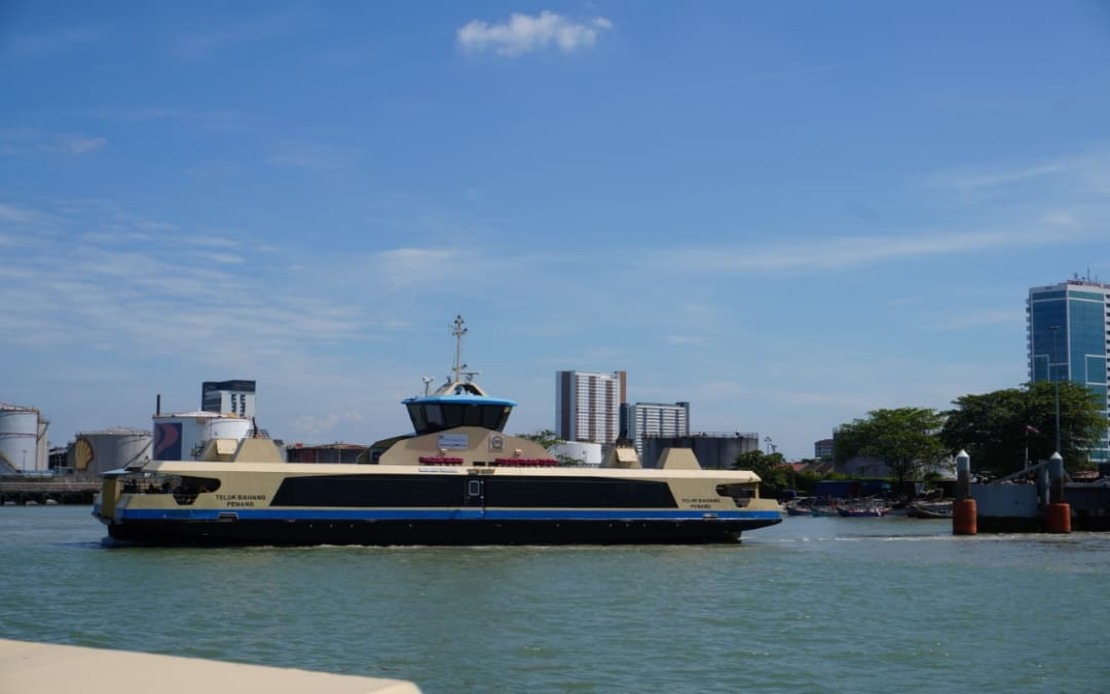
Penang residents and visitors will enjoy complimentary ferry crossings on August 31 as the state marks the 69th National Day celebrations, according to an announcement by Penang Port Commission chairman Datuk Yeoh Soon Hin. The initiative, developed jointly with Penang Port Sdn Bhd, represents a tangible effort to ease the financial burden on commuters during the patriotic holiday while simultaneously promoting the region's public transportation infrastructure during peak travel periods.
The free service will operate across both established ferry terminals without interruption to regular schedules. Sultan Abdul Halim Terminal in Seberang Perai and Raja Tun Uda Terminal in George Town will maintain their standard timetables, ensuring seamless connectivity for thousands of daily users who depend on these services to cross the Penang Strait. This operational continuity demonstrates the port authority's confidence in managing demand surges during national celebrations, a critical consideration for a transport corridor that serves as a vital economic link between Penang Island and the mainland.
The financial benefit to commuters is substantial, particularly for regular users. Individual pedestrians typically pay RM2 per one-way crossing, while motorcycle riders face charges of RM2.50, making the daily round-trip cost savings between RM4 and RM5 for those who utilise the service multiple times. For families or tourists planning excursions across the strait during the long weekend surrounding National Day, the savings accumulate meaningfully, effectively removing a barrier to inter-district mobility during celebrations.
Historical usage data provides compelling evidence of the ferry service's capacity during national holidays. During last year's National Day festivities, the terminals processed approximately 9,185 pedestrian journeys and accommodated 1,874 motorcycle trips across the two-way crossings. These figures suggest modest but consistent demand, indicating that the free service initiative will likely encourage additional patronage from price-sensitive commuters who might otherwise choose alternative routes or delay their travel plans.
The Penang Port Commission frames this promotional measure within a broader sustainability narrative, emphasising how ferry transport contributes to reducing vehicular congestion on the bridges connecting the island to mainland Penang. In an era of increasing environmental consciousness and traffic management challenges across Malaysian urban centres, positioning public water transport as a preferable alternative to private vehicles aligns regional policy objectives with national climate and urban planning commitments. The gesture simultaneously demonstrates corporate social responsibility by a state-linked enterprise during a nationally significant occasion.
Combined with the ferry service promotion, the port authority is capitalising on its platinum jubilee milestone this year by launching educational and recreational initiatives aimed at younger demographics. The Penang Ferry Museum's 'Kids Go Free Merdeka Special' campaign extends complimentary admission to Malaysian children aged 12 and below from August 29 through 31, creating a three-day promotional window that encourages family visits during the holiday period. This programming strategy reflects recognition that National Day celebrations often centre on family-oriented activities and patriotic education.
For Southeast Asian observers monitoring Malaysian urban transport trends, Penang's approach illustrates how regional authorities are experimenting with tactical pricing strategies to balance revenue objectives with public service mandates. The selective free-service approach—limited to a single day rather than sustained subsidy—suggests financial prudence while still capturing the symbolic value of National Day generosity. Similar promotional models have gained traction across other Malaysian states and Singapore, indicating growing regional consensus around using transport pricing as a policy lever for social benefit and environmental goals.
The initiative also reflects evolving transport consumer expectations in Malaysia's northern corridor. As urban areas grapple with rising congestion and environmental pressures, ferry and water-based alternatives are receiving renewed policy attention despite decades of underinvestment compared to road infrastructure. Penang's historical role as a maritime trading centre means its ferry services carry cultural and practical significance beyond mere commuter convenience, making them suitable vehicles for national celebration messaging.
For businesses and commuters dependent on cross-strait movement, the free ferry day represents a temporary reduction in logistics costs during a period when increased holiday travel might typically strain transportation budgets. Traders, delivery services, and service providers crossing regularly between Penang Island and Seberang Perai will welcome the brief reprieve, though the single-day duration limits systemic economic impact. Nevertheless, such gestures contribute to public perception of governmental responsiveness to cost-of-living concerns.
The coordination between multiple entities—Penang Port Commission, Penang Port Sdn Bhd, and the Penang Ferry Museum—demonstrates institutional capacity for integrated public programming. This interagency collaboration extends beyond simple fare waivers to encompass cultural engagement through museum programming, suggesting strategic thinking about how transportation infrastructure can serve broader civic and educational functions during significant national moments. The approach offers a template potentially applicable to other regional transport operators seeking to enhance public value during celebrations.
Looking forward, the success of this August 31 initiative may influence future National Day programming and year-round transport pricing strategies in Penang. Public response metrics and patronage data from the holiday period will likely inform policy considerations regarding whether temporary free services should become recurring features or permanent structural elements. As Malaysian states increasingly compete for regional economic attractiveness and livability rankings, transport accessibility during national celebrations serves as both practical service and symbolic statement about governmental priorities.

