%22%2F%3E%3C%2Fpattern%3E%3C%2Fdefs%3E%3Crect%20width%3D%22100%25%22%20height%3D%22100%25%22%20fill%3D%22url(%23ph4wying)%22%2F%3E%3Crect%20width%3D%22100%25%22%20height%3D%22100%25%22%20fill%3D%22url(%23ph4wyinp)%22%2F%3E%3Ctext%20x%3D%2250%25%22%20y%3D%2250%25%22%20text-anchor%3D%22middle%22%20dominant-baseline%3D%22central%22%20fill%3D%22rgba(255%2C255%2C255%2C0.95)%22%20font-family%3D%22Georgia%2C%20'Times%20New%20Roman'%2C%20serif%22%20font-weight%3D%22700%22%20font-size%3D%22226%22%20letter-spacing%3D%22-0.02em%22%3EPenang%3C%2Ftext%3E%3C%2Fsvg%3E)
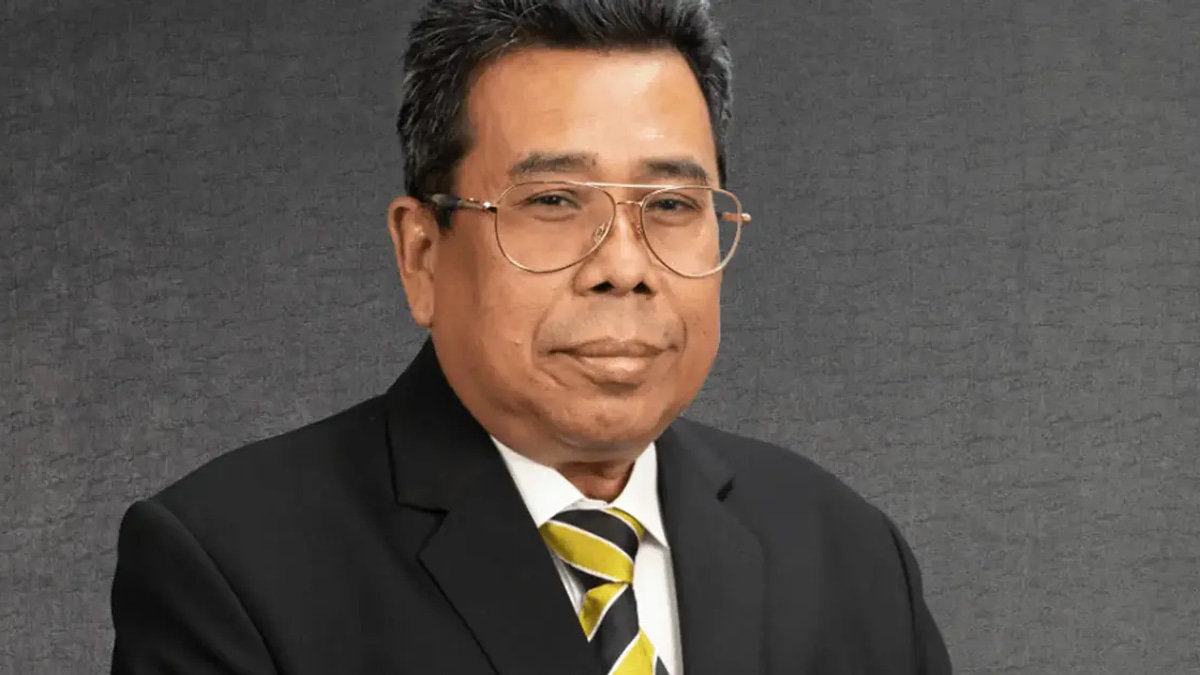
Penang Governor Tun Ramli Ngah Talib used a state dinner to recognise the significant contributions made by journalists and media practitioners across Malaysia and Southeast Asia, bringing together nearly 350 representatives from newsrooms, international media outlets, and regional organisations. The gathering in Butterworth on June 19 preceded the official National Journalists' Day (HAWANA) 2026 ceremonies, reflecting the administration's commitment to honouring the journalism profession's role in strengthening national development and democratic discourse.
The event drew an impressive cross-section of the media landscape, including Penang Chief Minister Chow Kon Yeow and Communications Minister Datuk Fahmi Fadzil, alongside editors-in-chief and senior executives from Malaysia's major news organisations. The attendance of Communications Ministry officials, headed by Secretary-General Datuk Abdul Halim Hamzah, underscored the federal government's engagement with the industry at this significant moment. The gathering reflected a deliberate effort by state and federal authorities to maintain close relationships with media leadership during a period when trust in institutions remains a concern across the region.
International representation elevated the dinner's importance as a regional media forum. Delegates from Timor-Leste, Indonesia, and other ASEAN nations participated, including Timor-Leste's Secretary of State for Social Communication Expedito Loro Dias Ximenes, the President of Timor-Leste's national news agency TATOLI Noemio Mateus Soares Falcao, and senior figures from Indonesia's media fraternity. This cross-border attendance signals ASEAN-wide recognition of journalism's role in fostering transparent governance and informed citizenry, particularly as the region navigates complex geopolitical and economic transitions.
Bernama, Malaysia's national news agency, played a central coordinating role through its leadership, with Chairman Datuk Seri Wong Chun Wai and Chief Executive Officer Datin Paduka Nur-ul Afida Kamaludin among the chief organisers. The agency's prominence reflects its institutional weight within Malaysia's media ecosystem and its responsibility for disseminating official information. The participation of major media proprietors—including the editors and executives from New Straits Times, Sin Chew Daily, The Star, Daily Express Sabah, and Astro Awani—demonstrated that both mainstream outlets and digital-native platforms recognised the occasion as an important industry touchstone.
The HAWANA 2026 celebration unfolds under the theme 'Media Integrity Strengthens Credibility', a choice that carries particular resonance for Malaysia and the broader Southeast Asian context. Media credibility has become increasingly contested in recent years, with misinformation, political polarisation, and declining public trust affecting newsrooms across the region. By elevating this theme at a national gathering, organisers signalled that the journalism profession views integrity not merely as an aspirational value but as a foundational requirement for maintaining relevance and influence in an increasingly fragmented information landscape.
Approximately 1,000 media practitioners, including substantial delegations from several ASEAN member states, converged on Penang for the multi-day event, with Prime Minister Datuk Seri Anwar Ibrahim scheduled to officially open proceedings at the PICCA Convention Centre. The prime ministerial involvement demonstrates the highest level of government recognition for the profession, positioning journalism as integral to the nation's development agenda rather than peripheral to it. This framing becomes significant given recurring tensions between media outlets and political actors over coverage of sensitive issues.
The regional dimension of HAWANA 2026 reflects evolving conversations within ASEAN about journalism standards, press freedom, and the role of media in conflict prevention and development. By hosting journalists from across the bloc, Malaysia positions itself as a convener and thought leader on media issues, an important consideration as the country pursues increased regional diplomatic influence. The presence of international news agencies and cross-border media networks enabled substantive exchanges about common challenges facing journalism—resource constraints, technological disruption, and audience fragmentation—transcending national boundaries.
Paralleling the professional gathering, organisers launched the RIUH Pi HAWANA Carnival, a public-facing celebration designed to broaden engagement with media and creative industries beyond elite newsroom circles. Expecting 30,000 visitors, the carnival features more than 24 local creative product brands, interactive workshops, and performances by established artists including Bunkface, Masdo, and Chelsea Ng, with free admission. This deliberate strategy to blend professional recognition with public engagement suggests awareness that journalism's social licence depends not solely on industry self-regard but on demonstrating tangible value to ordinary citizens and creative practitioners.
The carnival's inclusion of food and beverage vendors and creative workshops indicates a holistic vision of media and communications sectors as interconnected with broader creative and cultural economies. For Malaysia specifically, this integration reflects policy emphasis on developing creative industries as economic drivers. However, it also potentially risks diluting focus on core journalistic challenges—funding models, editorial independence, and professional standards—by conflating media practice with entertainment and commerce.
HAWANA's evolution into a significant regional convocation for media leaders reflects recognition that journalism faces systemic challenges requiring collective engagement. Issues like artificial intelligence's impact on news production, the sustainability of news business models, and journalists' safety in conflict zones require sustained dialogue among professionals, policymakers, and international organisations. By institutionalising HAWANA as an annual gathering, Malaysia creates infrastructure for ongoing conversation about media's role in democratic governance and social development.
For Malaysian journalists specifically, HAWANA 2026 carries symbolic importance amid persistent discussions about press freedom rankings and editorial independence. While international observers have expressed concerns about media pluralism and political interference in newsrooms, the government-sponsored celebration provides an opportunity for the profession to collectively assert its importance and professional standards. Yet this same dynamic raises questions about whether state-sponsored recognition of journalism can coexist with genuine editorial autonomy and critical scrutiny of government actions.
The gathering's emphasis on integrity and credibility addresses a real crisis affecting news industries globally, but particularly acute in Southeast Asia where misinformation campaigns, political polarisation, and declining advertising revenues simultaneously threaten news organisations' viability and public trust. Malaysian newsrooms, like their regional counterparts, must navigate audience fragmentation, with substantial portions of the public consuming news through social media algorithms rather than traditional outlets. HAWANA's convening of established media leaders provides limited direct engagement with these structural transformations and their implications for journalism's future.
Looking forward, HAWANA 2026's success will depend less on the spectacle of dinners and carnivals than on whether professional conversations translate into concrete initiatives—training programmes, ethical guidelines, cross-border journalism projects, or advocacy for regulatory frameworks protecting editorial independence. The gathering's regional dimension offers potential for ASEAN journalists to develop shared standards and support mechanisms, creating professional solidarity that transcends national borders. Whether this moment of institutional recognition catalyses substantive reform or merely provides ceremonial affirmation remains an open question.