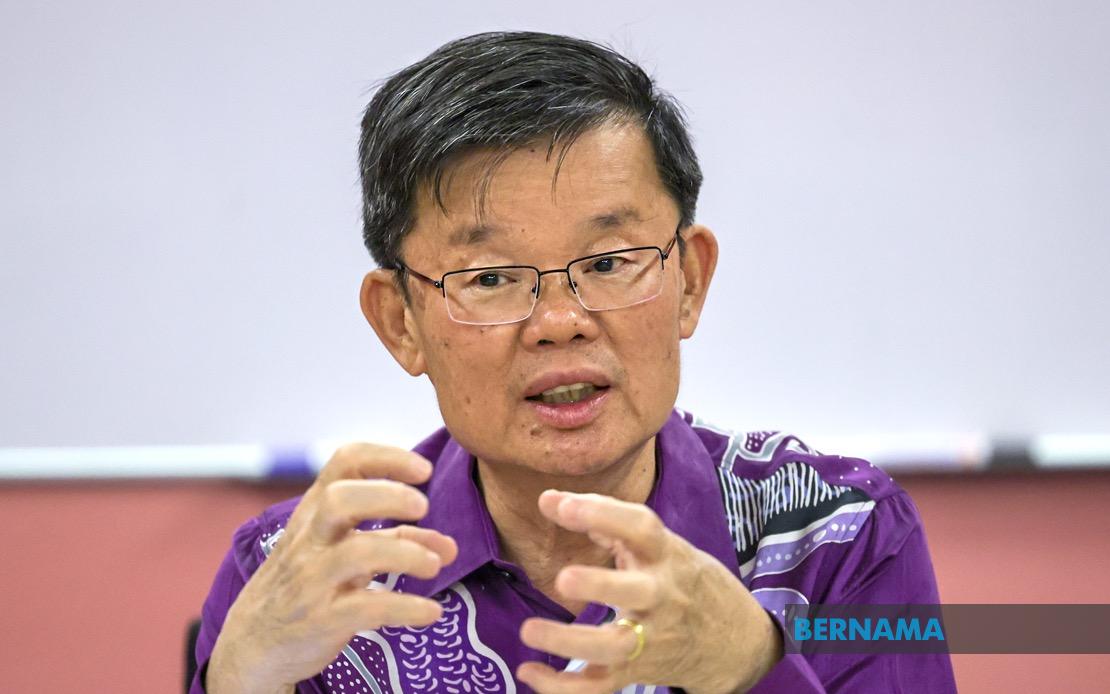
Penang Pakatan Harapan has opted to maintain Barisan Nasional's representation within the state executive council through the next general election cycle. Chief Minister Chow Kon Yeow announced the decision following deliberations at a PH state assembly meeting in George Town, grounding the choice in the electoral alliance established between the two coalitions during the 2023 state polls. The move underscores a pragmatic commitment to the joint governance arrangement that has defined Penang's administration over the past year.
The arrangement centres on Datuk Rashidi Zinol, the BN executive councillor who chairs the State Rural Development, Agrotechnology and Food Security Committee. His retention in the cabinet reflects a broader understanding that cooperation between PH and BN remains strategically valuable as the state prepares for coming electoral contests. For Penang voters accustomed to DAP's historical dominance in state politics, the continued presence of BN representation signals a stabilisation of the cross-coalition approach that emerged unexpectedly following the 2023 balloting.
Chow framed the decision within the context of reinforcing collaborative momentum among constituent parties and accelerating the reform initiatives that form PH's foundational platform. The leadership believes sufficient room remains to deepen coordination and advance shared objectives without destabilising the existing coalition framework. This suggests recognition that wholesale restructuring of the cabinet could introduce uncertainty at a time when maintaining administrative coherence serves broader party interests across Malaysia's complex political landscape.
Penang PH has drawn lessons from recent electoral developments in neighbouring states, particularly the outcomes in Johor and Negeri Sembilan. These results have prompted the coalition to undertake comprehensive analysis of each state seat, examining performance through multiple analytical lenses to identify vulnerabilities and opportunities ahead of the sixteenth general election. Such granular assessment reflects awareness that electoral landscapes can shift rapidly, requiring detailed seat-by-seat strategy rather than reliance on historical voting patterns.
The coalition plans to strengthen its political messaging by explicitly acknowledging shortcomings and areas requiring improvement, moving beyond purely defensive or celebratory narratives. Simultaneously, PH intends to amplify its digital communication capabilities, recognising that traditional media engagement alone cannot reach younger demographics effectively. This strategic pivot toward digital platforms reflects broader shifts in Malaysian political communication, where online discourse increasingly shapes voter perceptions independent of mainstream news cycles.
Penang PH has identified the Undi18 cohort—voters who first gained the franchise at eighteen years old—as requiring particular attention and engagement. This demographic represents neither wholly traditional nor wholly digital-native voters, demanding tailored outreach strategies that acknowledge their unique position. Building deeper connections with younger voters has become essential for any coalition seeking sustained electoral viability, particularly as generational turnover continues reshaping Malaysia's political calculus.
Despite projecting confidence in the coalition's foundational strength, Chow cautioned against complacency regarding governmental performance. He highlighted the state administration's stability and demonstrated integrity, alongside achievements in economic expansion, investment attraction, employment creation, and policy implementation benefiting residents. Yet he acknowledged a persistent challenge: public perception and voter sentiment often evolve more rapidly than measurable improvements in tangible governance outcomes. This recognition reflects sophisticated understanding that electoral success depends not purely on objective accomplishments but equally on effective communication and political narrative construction.
The 2023 Penang state election produced the political configuration underlying current arrangements. The Unity Government secured 29 of 40 contested seats, with DAP's extraordinary performance across all 19 seats it contested, PKR's seven seats, Amanah's single seat, and BN's two seats creating an apparent supermajority. This composition provides numerical space for coalition maintenance even as individual component parties pursue distinct strategic objectives within the broader framework.
For Malaysian observers monitoring Penang's governance model, the decision to retain BN representation carries implications extending beyond state administration. It suggests the Unity Government concept, first implemented nationally following the 2023 general election, continues finding practical application at the regional level despite ongoing tensions within federal structures. Penang's willingness to maintain power-sharing arrangements with BN demonstrates either confidence in cross-coalition cooperation or acknowledgment that political fragmentation serves neither coalition's long-term interests. Either interpretation underscores the complex, evolving nature of Malaysian electoral politics in the post-2023 environment.

