Penang police have assured the public that security arrangements and traffic management for the National Journalists' Day (HAWANA) 2026 celebration will be executed seamlessly without hampering the daily movements of residents in the George Town area. The multi-day event at PICCA Convention Centre @ Butterworth Arena will operate under stringent but non-disruptive security protocols that have been refined based on previous large-scale gatherings held at the same venue. Penang police chief Datuk Azizee Ismail confirmed that comprehensive preparations have been finalised to manage both the prestigious summit component and the accompanying public carnival, which together are expected to draw substantial crowds over the three-day period.
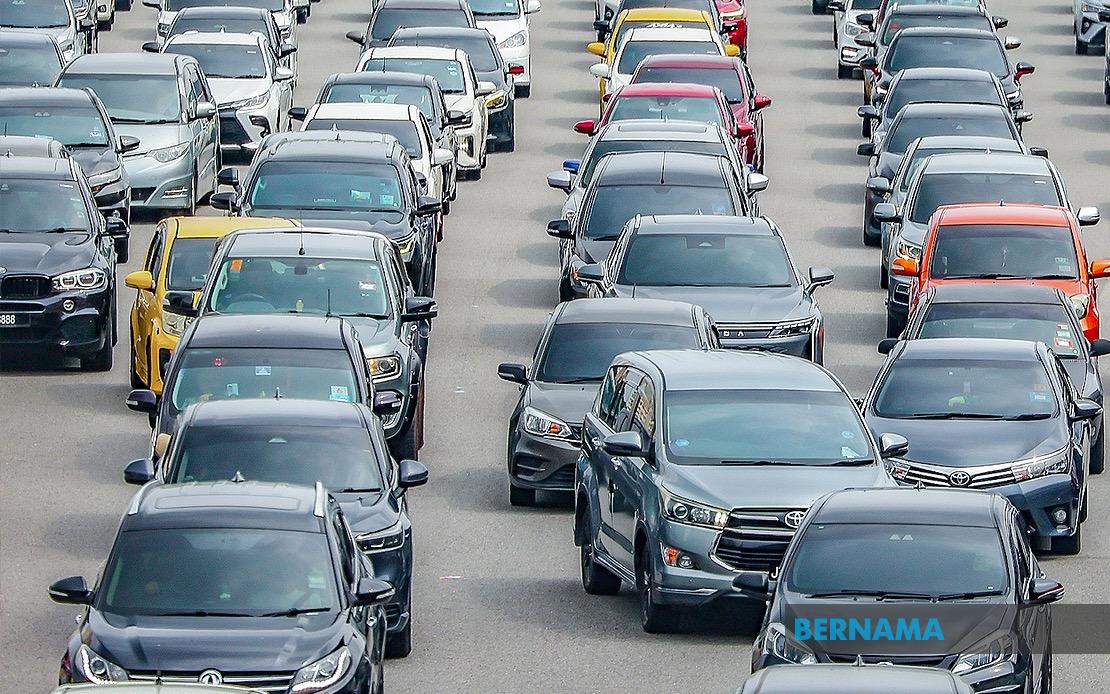
Key to the operational strategy is the decision to maintain accessibility of main thoroughfares throughout the event programme. Rather than implementing full road closures that would significantly inconvenience commuters, traffic management will rely on diversions and strategic personnel deployment at major intersections to maintain orderly vehicle flow. This approach reflects lessons learned from the Malaysia Day 2025 celebration held at the same location, where similar methodologies proved effective in balancing security requirements with public mobility needs. The traffic police will position officers at critical junctions to direct vehicles along alternative routes, ensuring that the event's three-day duration does not create sustained gridlock in surrounding residential and commercial areas.
The personnel strength allocated to security and traffic control mirrors the deployment levels successfully used during the previous Malaysia Day event, indicating that organisers have confidence in the proven operational model. Datuk Azizee emphasised that this consistent resource allocation demonstrates thorough preparation to accommodate the anticipated surge in visitor numbers while maintaining safety standards for all participants. The replication of established procedures minimises operational risks and leverages institutional knowledge about managing large gatherings at the PICCA venue.
The HAWANA 2026 Summit represents a significant national occasion bringing together approximately 1,000 media professionals from Malaysia and international delegations. Prime Minister Datuk Seri Anwar Ibrahim will officiate the opening on June 20, underscoring the event's importance within the country's media landscape. Organised under the Ministry of Communications with Bernama (Malaysian National News Agency) as the implementing body, the summit functions as a formal recognition platform for the contributions and professionalism demonstrated by journalists and media practitioners across the nation.
The summit theme, "Media Integrity Strengthens Credibility," reflects contemporary concerns about maintaining public trust in news and information dissemination. In an era of intensifying information challenges and competing narratives, the focus on integrity signals an institutional commitment to reinforcing professional standards within Malaysia's media ecosystem. This thematic emphasis carries particular resonance in Southeast Asia, where media freedom and credibility remain contested terrain marked by ongoing debates about editorial independence, state influence, and the role of journalism in democratic accountability.
Beyond the professional summit, the concurrent RIUH Pi HAWANA Carnival will operate as a public-facing cultural and commercial programme designed to broaden engagement with media and creative industries. Organisers anticipate approximately 30,000 carnival visitors over the three-day span, representing a substantial public interest component that drives the total attendance figures. The carnival format transitions HAWANA from an elite professional gathering into a community-oriented event that celebrates creative production and journalistic contributions to Malaysian society.
The carnival programming includes performances by 16 local artistic acts spanning genres from contemporary rock and indie music to traditional entertainment, with headliners including Exists, Bunkfac, Masdo, Sakura Band, and others. This performance roster reflects deliberate curation to appeal across generational and demographic segments, positioning the event as inclusive public celebration rather than niche professional gathering. Free admission to stage performances removes financial barriers and signals an intention to make creative content accessible to broad audiences.
Commercial participation within the carnival grounds incorporates more than 24 local creative product brands and 20 food and beverage vendors, establishing an ecosystem that connects media celebrations with economic opportunity for small and medium enterprises. This integration of creative businesses into the event structure strengthens the commercial viability of the cultural industries sector while generating authentic marketplace interactions rather than merely performative displays. For Malaysian entrepreneurs in creative fields, HAWANA 2026 provides visibility and sales opportunities alongside professional development exposure.
The decision to maintain road access reflects sophisticated event management that recognises the tension between creating secure environments for significant national occasions and preserving the public infrastructure functionality that underlies normal urban life. Rather than imposing comprehensive restrictions that would inconvenience thousands of non-attending residents and workers, Penang police have opted for surgical traffic management that channels movement while preserving overall connectivity. This approach acknowledges that public support for major events correlates with minimal disruption to everyday routines.
For Malaysian residents and business operators in the PICCA vicinity, compliance with traffic police directives will be essential to optimising personal and commercial movement during the three-day period. Public advisories have specifically recommended advance journey planning to navigate expected congestion in surrounding areas, suggesting that while main roads remain open, localized delays should be anticipated. This transparent communication helps stakeholders make informed decisions about timing and route selection.
The security and traffic coordination reflects institutional learning from Malaysia's previous experience hosting large-scale national events. The consistency between HAWANA 2026 and Malaysia Day 2025 operational frameworks suggests that organisers have identified and implemented best practices rather than improvising responses to each new occasion. This continuity enhances operational reliability and allows personnel to apply tested procedures rather than managing unprecedented scenarios.
Regionally, the HAWANA 2026 gathering demonstrates Malaysia's commitment to maintaining professional journalism standards and international media engagement despite broader challenges affecting freedom of expression in Southeast Asia. The presence of international media practitioners within the summit component signals Malaysia's positioning within global journalistic networks and its capacity to host professional discourse about media ethics and credibility at scale. For participants from neighbouring nations experiencing media constraints, the event offers exposure to institutional frameworks supporting professional journalism practice.
The successful execution of HAWANA 2026 will depend on coordination among multiple agencies including traffic police, security personnel, venue management, and vendor operators. Datuk Azizee's repeated emphasis on thorough preparation and tested methodologies suggests institutional confidence in managing the complexity, yet the margin between successful coordination and operational disruptions remains narrow. The public's adherence to traffic guidance and the professionalism of personnel deployment will ultimately determine whether event achievements extend beyond the formal programme into community perceptions about effective governance and public service delivery.