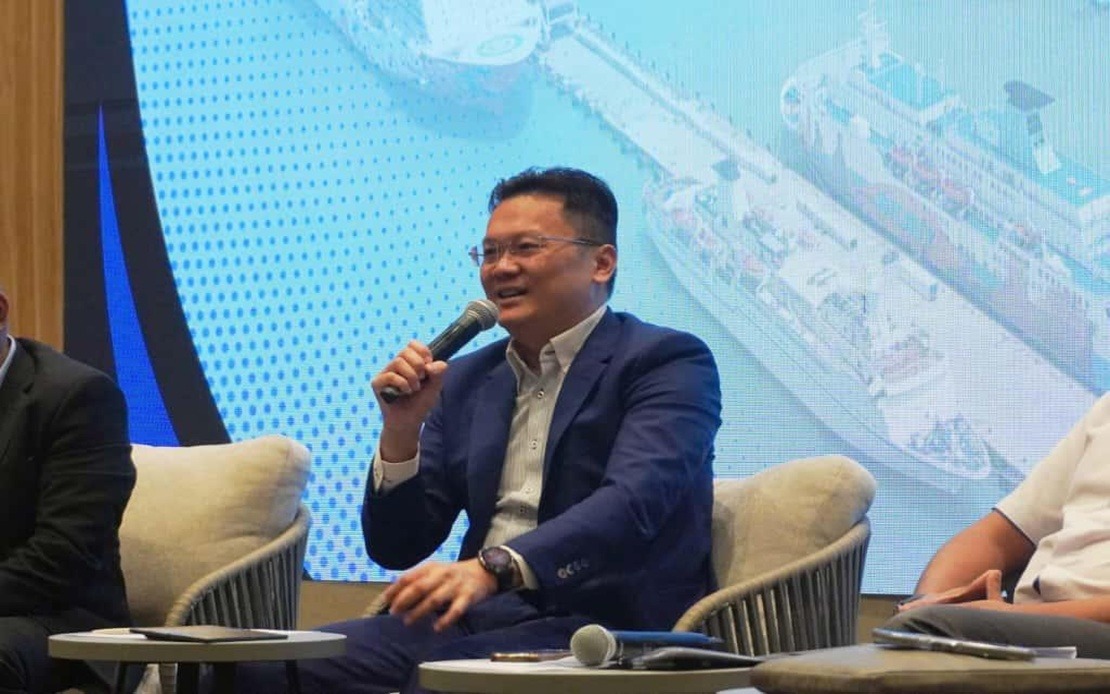
Penang Port Commission has unveiled a structured framework for handling ship-generated waste, representing a significant step toward reducing environmental risk at one of Malaysia's major maritime gateways. The new Standard Operating Procedure addresses a critical operational challenge as ports worldwide grapple with mounting pressures to adopt cleaner practices. By establishing uniform protocols across all port terminals, the commission aims to eliminate inconsistencies that have previously complicated waste management and created potential gaps in environmental oversight.
Datek Yeoh Soon Hin, chairman of the Penang Port Commission, emphasized that the framework ensures all waste handling operates within standardised safety parameters while adhering to Malaysian legislation. This formalization of procedures reflects growing recognition that effective port operations depend not merely on cargo throughput but equally on environmental stewardship. The initiative aligns with Transport Minister Anthony Loke's broader Green Port aspiration, signalling commitment at the highest governmental level to transform Malaysia's port sector into a model of sustainable maritime operations.
The SOP introduces a licensing regime that fundamentally reshapes operator accountability. Any company seeking to handle waste at Penang Port must now obtain valid authorization from the commission and navigate approvals from multiple agencies including the Department of Environment, National Water Services Commission, Royal Malaysian Customs Department, and relevant local authorities. This multi-layered gatekeeping mechanism creates friction but serves a critical function: ensuring that only qualified, properly-vetted entities manage materials that, if mishandled, could contaminate coastal waters and threaten marine ecosystems upon which both the fishing and tourism sectors depend.
The framework categorizes ship-generated waste into three distinct classifications, each requiring tailored handling protocols. Scheduled waste from vessels encompasses hazardous materials requiring specialized disposal. Domestic waste, including dunnage used for cargo protection, represents bulk material that can often be recycled or recovered. Sewage waste from ships demands particular vigilance given its potential to introduce pathogens and nutrients that trigger harmful algal blooms. By disaggregating waste streams, the SOP enables operators to apply appropriate technology and disposal pathways rather than treating all marine waste identically.
Operators now bear explicit responsibility for verifying waste quantities with vessel masters before removal, establishing a documentary trail that enhances accountability throughout the disposal chain. Following completion of waste handling, operators must submit disposal or discharge notes to the commission and relevant regulatory bodies. This post-operation reporting transforms waste management from a perfunctory administrative task into a traceable transaction subject to audit and verification. The requirement creates multiple checkpoints where authorities can identify discrepancies and flag potentially non-compliant behaviour before environmental damage occurs.
For Malaysia's maritime sector, this represents a maturation of port governance that reflects regional and international trends toward stricter environmental compliance. Southeast Asian ports have faced growing scrutiny from shipping companies and international bodies concerned about pollution practices. Penang Port's initiative demonstrates that Malaysian authorities understand this competitive reality: ports offering superior environmental credentials attract premium shipping lines and secure long-term business advantages. Operators willing to invest in compliance gain competitive positioning as global shipping increasingly factors environmental performance into port selection decisions.
The implementation also carries implications for Malaysia's broader sustainability commitments. The country has pledged to reduce carbon intensity and enhance marine ecosystem protection as part of regional environmental frameworks. Individual port initiatives like Penang's SOP contribute meaningfully to these aggregate national goals. When major commercial hubs establish rigorous environmental controls, they create cumulative pressure on smaller ports to follow suit, gradually elevating standards across the entire Malaysian maritime infrastructure.
Penang Port Commission has committed to ongoing monitoring and enforcement through regular inspections and audits of licensed operators. This supervisory approach distinguishes the SOP from merely aspirational policy statements. By dedicating resources to compliance verification, the commission signals that environmental regulations carry real consequences. Operators face financial and reputational risk if inspections reveal breaches, creating genuine incentives for systematic compliance rather than nominal adherence to written procedures.
The framework also establishes space for technological innovation and adoption of best practices in waste reduction and recycling. Operators implementing advanced sorting technologies or partnering with recycling facilities can potentially reduce disposal volumes and associated costs. This carrot-and-stick combination—mandatory compliance underpinned by incentives for excellence—encourages the sector to evolve beyond minimum legal requirements toward optimal environmental outcomes. Over time, competition among operators to demonstrate superior environmental performance could drive continuous improvement across the industry.
For Malaysian businesses engaged in maritime commerce, understanding and complying with the new SOP represents an operational necessity. Shipping lines, cargo handlers, and logistics companies must adjust internal procedures to accommodate the verification requirements and documentation demands. While this creates near-term administrative burden, companies that treat environmental compliance as a strategic priority rather than regulatory imposition gain long-term advantages. They build relationships with authorities based on demonstrated responsibility, reduce operational disruption from enforcement actions, and enhance corporate brand positioning in an era when environmental performance increasingly influences customer and investor perception.
The Penang Port initiative also sends a message to other Malaysian ports and port-dependent industries that environmental stewardship no longer occupies the margins of port management but sits at its centre. As climate change impacts intensify—threatening ports through rising seas and extreme weather—establishing robust environmental management systems today provides insurance against future disruption. Ports that proactively reduce their environmental footprint build resilience and demonstrate adaptive capacity that positions them favourably as global maritime commerce navigates an increasingly constrained environmental future.

