Penang's Chief Minister Chow Kon Yeow has expressed strong confidence in the successful execution of this year's National Journalists' Day celebration, underscoring the state government's commitment to honouring the essential work of media professionals across the nation. Speaking in George Town on June 18, Chow outlined the extensive preparations undertaken to transform the event into a marquee occasion that will reinforce public recognition of journalism's pivotal role in Malaysian society.
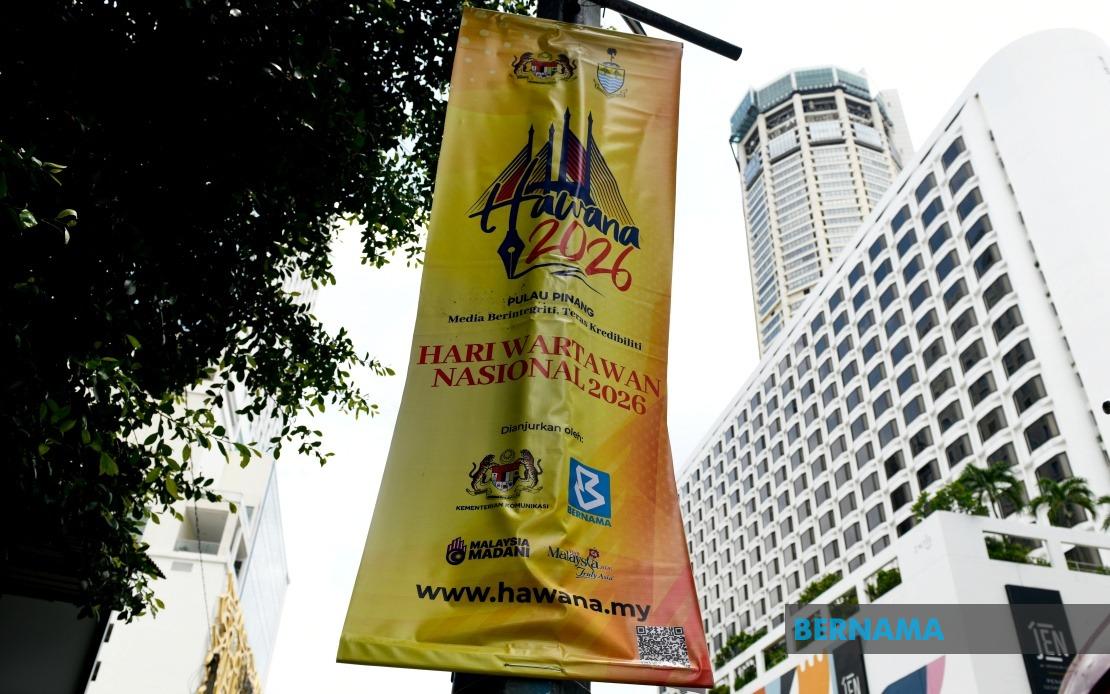
The centrepiece of the celebrations, the HAWANA 2026 Summit, will unfold at the PICCA Convention Centre @ Butterworth Arena, with Prime Minister Datuk Seri Anwar Ibrahim officially opening the proceedings on June 20. The summit is projected to draw approximately 1,000 journalists, editors, and media industry figures from within Malaysia and abroad, making it a significant gathering for the communications sector. This concentration of media leadership offers a rare opportunity for substantive dialogue on the state of journalism and the challenges facing newsrooms across Southeast Asia's press landscape.
According to Chow, the Penang State Government has invested considerable effort over the preceding two to three months in coordination with the federal Communications Ministry to guarantee smooth logistics and programme delivery. This intergovernmental collaboration reflects the scale of the undertaking and the political importance attached to showcasing Penang as a capable host for national-level events. The engagement between state officials and federal counterparts suggests a model of cooperative federalism that Malaysian readers will recognise as essential for executing events of this magnitude.
The summit operates under the thematic banner "Media Integrity Strengthens Credibility," a framework that carries particular resonance in an era when public trust in news organisations faces sustained pressure globally and regionally. By centring the discussion on integrity as a cornerstone of journalistic legitimacy, the organisers are signalling that Malaysia's media sector recognises the need to actively rebuild and maintain credibility with audiences. This messaging becomes especially pertinent for Southeast Asian journalists grappling with misinformation, political polarisation, and evolving media consumption patterns.
Beyond the formal summit, organisers are complementing the professional gathering with a three-day RIUH Pi HAWANA Carnival beginning on June 19, also hosted at the Butterworth Arena venue. The carnival represents a deliberate effort to democratise the celebration, bringing journalism and media culture to the general public rather than confining festivities to industry insiders. Organisers anticipate drawing approximately 30,000 visitors over the three-day run, suggesting robust public interest in media-related activities and creative industries.
The carnival programming reflects contemporary trends in public engagement, incorporating more than 24 local creative product brands alongside 20 food and beverage operators. This commercial integration serves dual purposes: it provides a revenue stream sustaining the event whilst simultaneously positioning the media industry within the broader ecosystem of Malaysian creative enterprise. For readers, this approach underscores how journalism increasingly intersects with digital creativity and content production in the modern media landscape.
Interactive workshops form a cornerstone of the carnival experience, offering visitors hands-on opportunities to participate in various creative activities. These sessions function as accessibility points for members of the public curious about journalism, design, and media production but lacking formal connections to those industries. Given the recurring challenges Malaysian newsrooms face in recruiting young talent, such public exposure to media careers may prove consequential in inspiring the next generation of journalists and communications professionals.
Musical entertainment programming features 16 free stage performances from established Malaysian artists including Exists, Bunkface, Masdo, Sakura Band, Budak Nakal Hujung Simpang, and Chelsea Ng. The inclusion of popular musicians alongside professional media programming signals an intentional strategy to blend entertainment with industry celebration, potentially broadening the carnival's demographic appeal beyond traditional media consumers. For Penang, hosting such a multifaceted event also generates promotional opportunities for the state as a cultural and business hub capable of staging sophisticated gatherings.
A separate Media Dinner honouring Penang Governor Tun Ramli Ngah Talib will occur on June 19, providing an intimate setting for senior journalists and government officials to engage in substantive discussion outside the public arena. Such occasions historically serve as useful forums for exploring the evolving relationship between media institutions and state apparatus, matters of particular interest to Malaysian readers given the periodic tensions between press freedom advocates and government messaging priorities. The dinner's formal nature, anchored by the governor's participation, signals official recognition of journalism's institutional importance within the state.
The HAWANA 2026 event is coordinated by the Communications Ministry, with the Malaysian National News Agency (Bernama) serving as the implementing body. This institutional arrangement reflects Malaysia's structured approach to advancing professional journalism standards and celebrating media contributions to national development. Bernama's role as implementing agency particularly matters for regional observers, as the organisation holds historical significance in Malaysian journalism and continues shaping domestic and international news flows.
For Malaysian readers, the Penang summit represents a moment when the nation's journalism sector takes stock of its professional standing and collective mission. In an increasingly fragmented media environment where digital platforms proliferate and traditional institutional gatekeeping erodes, public celebrations of journalistic integrity and professionalism serve important functions in reasserting shared values and professional standards. The choice of Penang as host venue also reflects broader recognition within Malaysian governance structures of the state's capacity to host prestigious national events, enhancing its profile beyond its historical significance as a cultural and commercial centre.
Chow's confidence in the event's success reflects not mere optimism but substantive preparation and resource commitment from the state administration. For observers monitoring Penang's developmental trajectory and institutional capabilities, the smooth execution of HAWANA 2026 would reinforce the state government's demonstrated competence in event management and stakeholder coordination. The gathering ultimately offers Malaysian and regional journalists an occasion to reflect collectively on their profession's role in democratic societies and media's evolving responsibilities in an age of information abundance and credibility challenges.