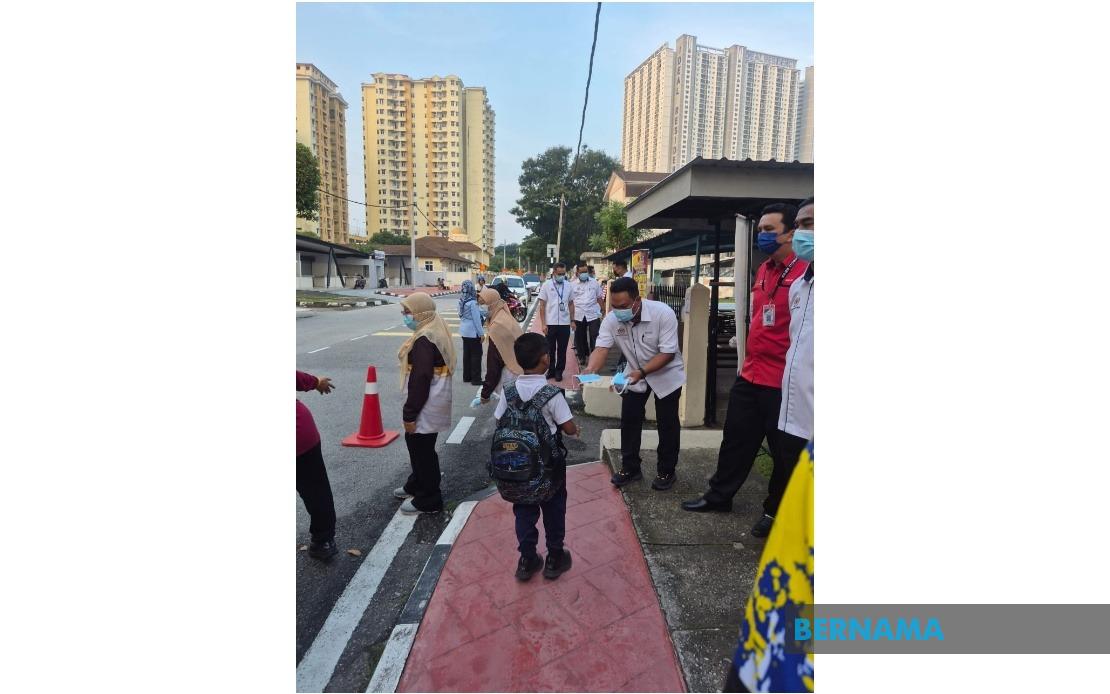
Penang's Education Department has activated protocols to transition schools to home-based teaching and learning, known locally as PdPR, whenever air quality deteriorates to hazardous levels marked by an Air Pollutant Index reading of 200 or higher. The move reflects growing concern about transboundary haze, a recurring challenge in Southeast Asia that threatens student health and disrupts educational continuity across the region. Mohamad Dziauddin Mat Saad, the department's director, outlined the decision following an inspection of preparedness measures at a local primary school in George Town.
The response framework draws from collaborative guidelines established by Malaysia's Ministry of Education, Ministry of Health, and the National Disaster Management Agency. These protocols emerged from previous haze episodes that highlighted the need for coordinated responses protecting vulnerable student populations, particularly those with underlying respiratory conditions. By anchoring decisions to a specific API threshold rather than relying on ad-hoc judgments, authorities aim to provide predictability for families and educators managing educational continuity during air quality crises. This standardised approach has become increasingly important as haze episodes grow more frequent and severe across Southeast Asia, prompting neighbouring countries and international organisations to scrutinise regional preparedness.
The Penang Education Department established a dedicated monitoring centre on August 13 to track haze developments in real-time. Staff assess readings from four strategic air quality stations positioned across the state—Minden, Balik Pulau, Seberang Jaya, and Perai—typically between 6 pm and 8 pm each evening to determine whether schools should operate normally the following day. This evening assessment window allows the department adequate time to notify district education offices, which subsequently communicate decisions to individual schools before students arrive. The layered notification system aims to minimise confusion and give parents reasonable notice for arranging alternative supervision arrangements.
For Malaysian families dealing with recurring haze, the announcement provides clarity but also underscores the vulnerability of the nation's educational systems to environmental disruptions beyond the education sector's direct control. The department's assurance that it will not delay notifications until crisis point represents a shift toward preventive communication, contrasting with past instances where schools received directives with minimal warning. This approach acknowledges parental concerns about work arrangements and childcare logistics when schools unexpectedly close, particularly affecting single-income households and informal economy workers who lack workplace flexibility.
Beyond classroom operations, haze threatens Penang's scheduled major sporting events, forcing education and sports administrators to develop contingency scenarios. The Malaysia Schools Sports Council Football Championship and the 15th Malaysian Scout Jamboree, both commencing on August 28, involve thousands of participants and carry significant national importance. The education department has engaged the Ministry of Education's Sports, Co-Curriculum and Arts Division to anticipate operational adjustments should air quality deteriorate during these competitions. Officials are exploring schedule modifications that shift athletic activities to morning hours when pollution readings typically remain lower, a practical adaptation that requires coordination among multiple agencies and flexibility from participating schools.
The Malaysian Scout Jamboree presents particular complexity given its international dimensions. The event is expected to attract more than 5,000 domestic scouts alongside over 450 international participants from eleven countries spanning South Korea, Indonesia, Singapore, and Sri Lanka. Prime Minister Datuk Seri Anwar Ibrahim's planned officiation on August 29 underscores the jamboree's status as a marquee national event, elevating concerns about air quality impacts on foreign guests and Malaysia's international standing. Hosting international youth delegations amid hazardous air conditions risks damaging the nation's reputation and raising uncomfortable questions about environmental governance among Southeast Asian peers.
The national scouting organisation has established its own operations centre to monitor and manage haze-related challenges throughout the jamboree's duration. This institutional response reflects hard-earned lessons from previous regional events disrupted by air quality crises. The dual-layer monitoring structure—involving both education authorities and the scouting organisation—represents a more sophisticated approach than previous responses, though it also hints at the complexity of coordinating environmental contingencies across multiple jurisdictions and institutions within Malaysia's federal system.
Haze episodes carry particular implications for students with respiratory vulnerabilities, a population the education department specifically addressed. Children with asthma, bronchitis, or other pulmonary conditions face elevated health risks during air quality degradation, potentially requiring medical interventions and hospitalisation. The PdPR framework thus serves not merely as an administrative convenience but as a health protection mechanism, though its effectiveness depends on reliable implementation and accessible internet infrastructure for disadvantaged households. Digital inequality remains a persistent challenge in Malaysia, with rural and low-income urban communities still experiencing connectivity constraints that could undermine the intended protective function of online learning transitions.
The haze challenge reflects Southeast Asia's broader environmental vulnerability to transboundary pollution, particularly affecting Malaysia's position along seasonal wind patterns that carry emissions from regional sources. The Malaysian government has progressively strengthened coordination with Indonesian authorities regarding land and forest management, though causation attribution remains politically sensitive. Educational disruptions caused by external environmental factors increasingly feature in policy discussions about climate adaptation and environmental justice, particularly as younger generations experience educational interruptions linked to regional environmental degradation.
For Malaysian parents and educators, the Penang department's proactive stance offers modest reassurance about institutional preparedness, though it implicitly acknowledges that hazardous air conditions may become recurring interruptions to educational schedules. The sophistication of monitoring infrastructure and communication protocols represents institutional learning from past crises, yet ultimately depends on maintaining political will and resource allocation during periods when air quality remains acceptable. Whether similar protocols are consistently implemented across other Malaysian states remains an open question, potentially creating disparities in educational continuity and health protection across Malaysia's regions as haze episodes continue traversing Southeast Asia's airspace.

