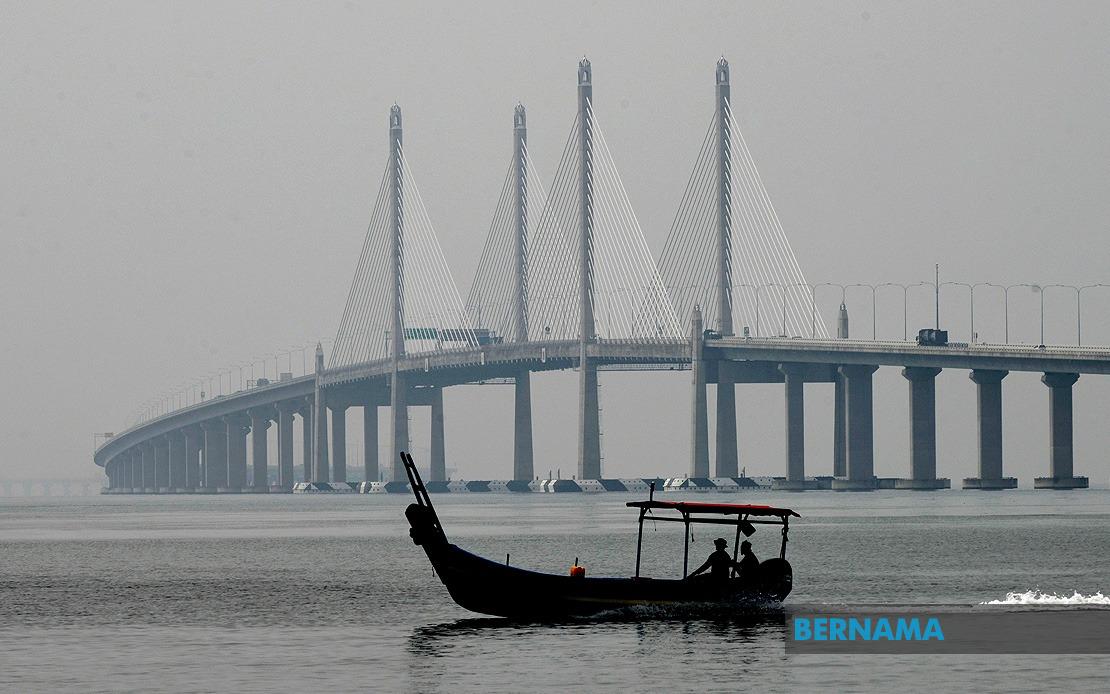
Penang's state government is moving to broker a compromise on controversial fishing restrictions that have disrupted operations under the Penang Bridge and the Sultan Abdul Halim Mu'adzam Shah Bridge, with consultations set to begin next week aimed at reconciling security imperatives with community economic concerns.
Datuk Rashidi Zinol, chairman of the Penang Rural Development, Agro-technology and Food Security and Entrepreneurship Committee, indicated that authorities would engage relevant stakeholders to devise what he termed a balanced approach. The fishing ban has created friction among boat operators who depend on these waters for their livelihoods, forcing state officials to confront the tension between maintaining the security designations of these critical infrastructure sites and preserving economic opportunities for those affected.
The restrictions emerged from recent interactions between Rashidi and fishing boat and tourist boat operators, who raised mounting frustrations during a formal meeting. The operators articulated concerns about how the enforcement has curtailed fishing activities and diminished demand for both their fishing services and tourist boat operations, creating a cascading economic impact that extends well beyond the immediate water restrictions themselves.
The two bridges have been formally gazetted as restricted areas and prohibited places under the Protected Areas and Protected Places Act 1959, classified as National Key Points due to their strategic importance to Malaysia's infrastructure. This designation carries legal weight and reflects official concern about the vulnerability of these essential transportation corridors to potential security threats. The legal framework governing these restrictions is therefore not arbitrary, presenting state administrators with a genuine challenge in balancing competing legitimate interests.
Rashidi's assessment reveals the broader economic ripple effects that such restrictions generate. Beyond the direct impact on boat operators themselves, the fishing ban has adversely affected numerous ancillary businesses that form part of the fishing industry's ecosystem. Equipment suppliers, ice producers, food vendors, and other small enterprises dependent on fishing activity have all experienced reduced business as demand for their products and services has contracted. This interconnected economic network means that policy decisions affecting fishing access ultimately reverberate through multiple layers of the regional economy.
The designation of these areas as National Key Points underscores government concerns about infrastructure protection and public safety. These bridges serve as vital transportation arteries for Penang, and authorities have deemed it necessary to restrict certain activities that might pose security vulnerabilities or operational risks. Nonetheless, recognizing these safety imperatives has not deterred Rashidi from acknowledging that enforcement cannot proceed without considering the human and economic dimensions of implementation.
The planned consultations represent an attempt to move beyond a binary choice between complete restriction and unrestricted access. Rather than simply accepting the status quo or capitulating entirely to industry pressure, Penang officials appear committed to exploring whether modified procedures, designated fishing zones, enhanced security protocols, or other tailored arrangements might allow some level of economic activity while still maintaining appropriate safeguards. This pragmatic approach reflects growing recognition that infrastructure protection and community welfare need not be mutually exclusive objectives.
For Malaysian policymakers more broadly, the Penang situation illustrates a recurring challenge in balancing development with security, particularly in small island states and congested urban waterways where multiple competing uses press upon limited space. Similar tensions exist across Southeast Asia, where rapid urbanization, tourism development, and security concerns frequently collide over access to coastal and inland water resources. The resolution Penang develops may therefore have relevance beyond its immediate context, potentially offering insights for other jurisdictions facing comparable dilemmas.
The upcoming discussions will require careful navigation of competing stakeholder interests. Boat operators and small business owners understandably advocate for restored access and economic opportunity. Government security and infrastructure agencies legitimately insist on safeguarding critical assets. Finding workable accommodation between these positions demands creativity, good faith engagement, and willingness to explore solutions that might not fully satisfy any party but distribute costs and benefits more equitably.
Rashidi's commitment to examining the matter while taking safety, regulatory compliance, and livelihoods into account signals that Penang's leadership recognizes the legitimate grievances operators have raised. The timing of these consultations also matters; addressing concerns promptly helps prevent resentment from hardening into more entrenched opposition and maintains public confidence that government listens to affected communities. In small, interconnected economies like Penang's, maintaining social cohesion and trust in institutions carries substantial weight alongside material considerations.

