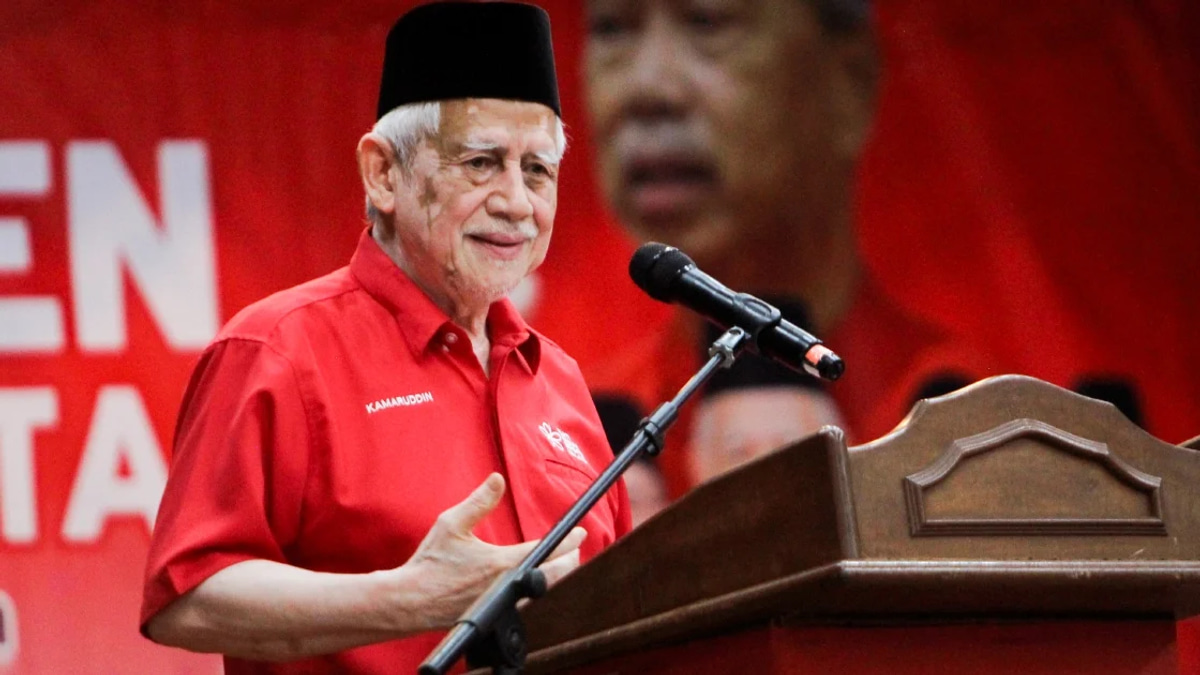
Perikatan Nasional's chief whip has officially informed Parliament's speaker that Hamzah Zaman will assume the role of opposition leader, marking a significant leadership transition within Malaysia's parliamentary opposition. The notification came after securing pledges from 61 opposition members of parliament who threw their weight behind the former Bersatu deputy president for the position, effective immediately. This development underscores the continued consolidation of power within PN's leadership ranks and reflects shifting dynamics within the coalition that has positioned itself as the principal opposition force in the current parliament.
The appointment of Hamzah, a seasoned politician with extensive parliamentary experience, carries considerable weight for the opposition bloc's strategic positioning. His elevation to opposition leader status signifies PN's confidence in his ability to coordinate legislative strategy, articulate alternative policy positions, and serve as the primary opposition voice in parliamentary debates and proceedings. The breadth of support—61 MPs—demonstrates substantial consensus within the opposition coalition regarding his suitability for the demanding role that requires adept parliamentary manoeuvring and effective communication of opposition policy platforms to both legislators and the broader electorate.
This leadership appointment becomes particularly significant given Malaysia's complex political landscape, where opposition effectiveness directly influences parliamentary accountability mechanisms. The opposition leader holds constitutional and conventional responsibilities to scrutinise government policies, table amendments, propose alternative legislative frameworks, and mobilise parliamentary procedures that ensure executive accountability. Hamzah's position as opposition leader places him at the forefront of these critical parliamentary functions, requiring him to balance legislative competence with public-facing political messaging that resonates across Malaysia's diverse voter constituencies.
For Perikatan Nasional specifically, this decision consolidates internal leadership arrangements following previous organisational transitions. The coalition has sought to present a unified opposition front capable of challenging government policy across multiple domains including economic management, social policy implementation, and constitutional governance. Hamzah's appointment reinforces PN's institutional positioning and signals to both internal stakeholders and external observers that the coalition maintains stable leadership structures despite Malaysia's volatile political environment, which has witnessed multiple coalition realignments and parliamentary composition changes in recent years.
The 61-MP backing represents a substantial parliamentary bloc, reflecting significant opposition presence in Dewan Rakyat. This numerical strength provides Hamzah with considerable parliamentary leverage to initiate procedural mechanisms, demand government responses to parliamentary questions, and coordinate opposition voting strategies on contentious legislative matters. The size of this contingent also suggests relatively cohesive opposition alignment, at least regarding leadership appointment, which can prove challenging in Malaysian parliamentary politics where coalition disciplines frequently face strain from competing factional interests and regional political dynamics.
Hamzah's parliamentary trajectory preceding this appointment has established him as a capable strategist within Bersatu before his transition to broader PN leadership responsibilities. His previous roles provided him with intimate knowledge of government operations and legislative processes, experience that becomes invaluable when translating opposition strategies into effective parliamentary performance. The former deputy president's understanding of both government and opposition perspectives positions him distinctively to navigate the intricate parliamentary relationships necessary for opposition effectiveness, where credibility and policy coherence significantly influence parliamentary dynamics and public perception of opposition viability.
From a Southeast Asian perspective, this Malaysian leadership development reflects broader regional trends wherein opposition parties must demonstrate institutional capacity and governance readiness to maintain political credibility. Malaysia's parliamentary system, inherited from Westminster traditions yet adapted through Malaysian constitutional frameworks, places particular emphasis on opposition parties demonstrating organisational coherence and alternative policy visions. Hamzah's appointment comes amid Southeast Asia's broader democratic adjustments, where opposition movements face recurring challenges in articulating compelling alternative governance models while maintaining internal solidarity across diverse factional compositions.
The timing of this transition carries implications for Malaysia's legislative agenda and government-opposition dynamics across the current parliamentary term. The opposition leader's office significantly influences parliamentary scheduling negotiations, opposition amendment strategies, and the framing of parliamentary debates on government legislation. With Hamzah now formally positioned as opposition leader, parliamentary interactions will likely reflect his distinctive leadership style, strategic priorities, and approach to opposition coordination—factors that influence both the pace and character of legislative business conducted within Dewan Rakyat.
Peikatan Nasional's strategic positioning through this leadership appointment simultaneously addresses internal coalition management and broader parliamentary power dynamics. Opposition leadership represents not merely ceremonial status but operational responsibility for coordinating diverse opposition members, managing parliamentary procedures to opposition advantage, and sustaining opposition visibility through strategic parliamentary interventions. The coalition's investment in Hamzah's appointment suggests calculated assessment that his leadership capabilities justify concentrated opposition support despite potential alternative candidates and ongoing internal coalition negotiations characteristic of Malaysian parliamentary politics.
Looking forward, Hamzah's effectiveness as opposition leader will substantially influence PN's trajectory and broader opposition political standing. His parliamentary performance will directly impact whether opposition coordination strengthens or fragments under his stewardship, ultimately affecting government capacity to advance legislative agendas and broader parliamentary accountability functioning. Malaysian voters and political observers will scrutinise whether this leadership configuration delivers substantive opposition governance alternatives or whether it represents primarily tactical parliamentary repositioning within Malaysia's perpetually evolving political configurations.