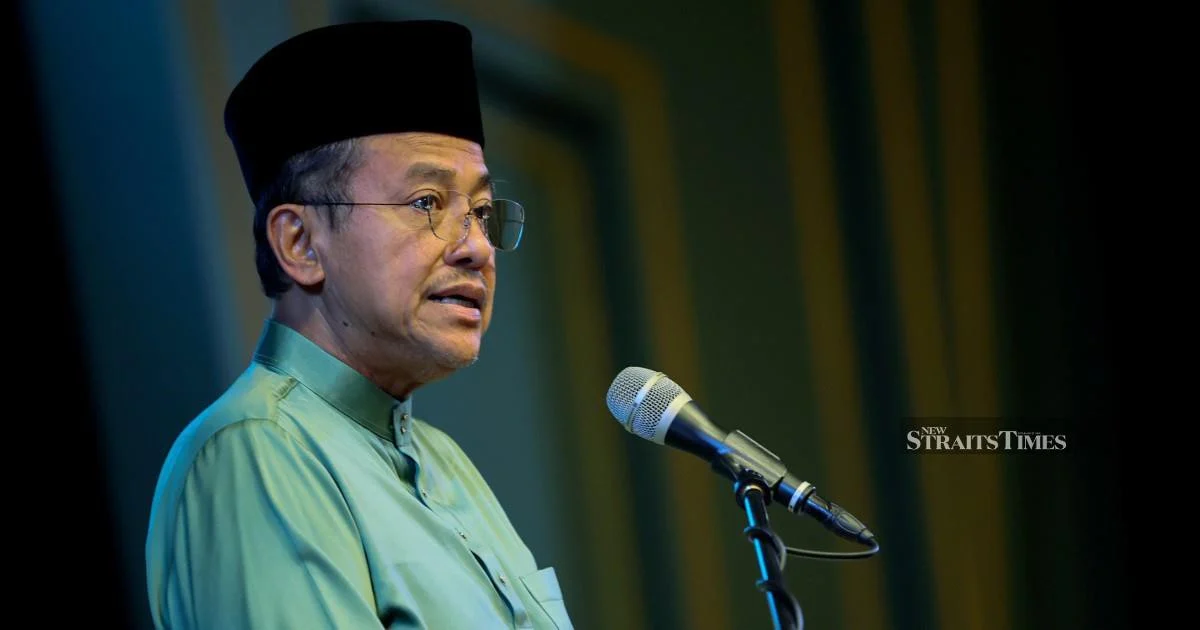
The Perikatan Nasional opposition bloc is poised to hold substantive discussions regarding Bersatu's standing and role within the alliance framework at a leadership council gathering scheduled for tomorrow, according to statements from PAS vice-president Datuk Seri Dr Ahmad Samsuri Mokhtar made in Temerloh. The timing and focus of this meeting suggests ongoing deliberations about the structural dynamics and power distribution among the coalition's constituent parties, reflecting broader questions about unity and strategic positioning as Malaysia navigates its current political landscape.
The PN alliance, comprising PAS, Bersatu, and other smaller components, has functioned as the primary opposition force challenging the current federal government. However, internal strains and policy differences have occasionally surfaced, prompting periodic reassessments of how member parties coordinate and exercise influence within the broader coalition structure. This particular meeting appears calibrated to address specific concerns or developments involving Bersatu's participation and contribution to the collective opposition platform.
Bersatu, under the leadership of Muhyiddin Yassin, maintains significant political capital derived from its parliamentary representation and regional strongholds, particularly in states like Perak and Pahang. The party's position within PN carries considerable weight given its ability to mobilize voters and shape coalition messaging on key policy matters. Any discussion about Bersatu's status therefore warrants careful navigation to preserve coalition cohesion while addressing underlying tensions or clarifying mutual expectations among partner parties.
The PAS leadership's confirmation of this agenda item signals that the matter warrants formal council attention rather than backroom resolution, indicating the substance of the discussion may carry implications beyond routine administrative matters. Whether the meeting addresses resource allocation, parliamentary strategy, election preparations, or ideological alignment remains to be seen, though such forums typically examine multiple dimensions of inter-party relations simultaneously.
For Malaysian observers, the health of the PN coalition bears direct relevance to national political trajectory. A fractured opposition risks diminishing scrutiny of government policies and reducing competitive pressure on the ruling coalition, whereas a unified opposition enhances democratic balance and policy debate. Bersatu's particular position matters because the party bridges constituencies that span urban and rural voters, holding appeal across socioeconomic demographics that other PN components may not reach as effectively.
The Temerloh location of Dr Ahmad Samsuri's remarks carries geographic significance, as Pahang represents contested political terrain where both PN and government-aligned coalitions command substantial support. Public statements made in such constituencies often carry amplified attention within regional political networks and carry signals about coalition confidence and stability to local stakeholders weighing electoral calculations.
Regional implications extend beyond domestic Malaysian politics. Southeast Asian observers monitor opposition coalition dynamics in major democracies as indicators of institutional health and competitive equilibrium. A discussion centered on clarifying roles and reassessing commitment among PN components demonstrates institutional mechanisms at work, even as underlying tensions merit examination regarding what prompts such formal reassessments at particular moments in the political calendar.
The timing warrants consideration of recent political developments and whether specific triggers prompted scheduling this discussion. Bersatu's relationship with other coalition partners occasionally experiences strain following electoral performance assessments, policy disagreements on religious and social matters, or disputes over candidate selection for upcoming electoral contests. Tomorrow's meeting may represent proactive recalibration or response to accumulated concerns among PN leadership.
For Bersatu members and supporters, the coalition discussion carries implications for party autonomy and influence in shaping opposition direction. Bersatu has historically emphasized its independent political identity even while cooperating within broader alliances, and any discussion of its position reflects ongoing negotiation of how much party distinctiveness the coalition structure permits versus expectations for unified messaging and coordinated action.
The broader political context includes Malaysia's approach to managing opposition-government competition in an environment where coalition formation and reformation remain fluid possibilities. PN emerged as a significant force through previous realignments, and its continued viability depends partly on maintaining sufficient internal coherence to present credible alternative government options while respecting the distinct identities of component parties seeking to build separate constituencies and maintain independent constituencies within the broader anti-government vote.
How the leadership council discusses Bersatu's position tomorrow may offer clues about PN's own confidence in maintaining current alliance architecture or whether the coalition contemplates adjustments that might strengthen overall competitiveness or accommodate evolving political circumstances. The outcome of such discussions influences not just party strategies but also voter perceptions of opposition credibility and likelihood of offering genuine systemic alternatives to current governance models.
The council's deliberations will likely receive close attention from government coalition strategists seeking to identify opposition vulnerabilities, sympathetic media outlets tracking inter-party tensions, and international observers assessing Malaysia's democratic competition dynamics. These discussions represent normal coalition management processes that reflect the continuous negotiations inherent in multi-party democratic systems where aligned parties maintain distinct organizational identities even while pursuing coordinated political objectives.