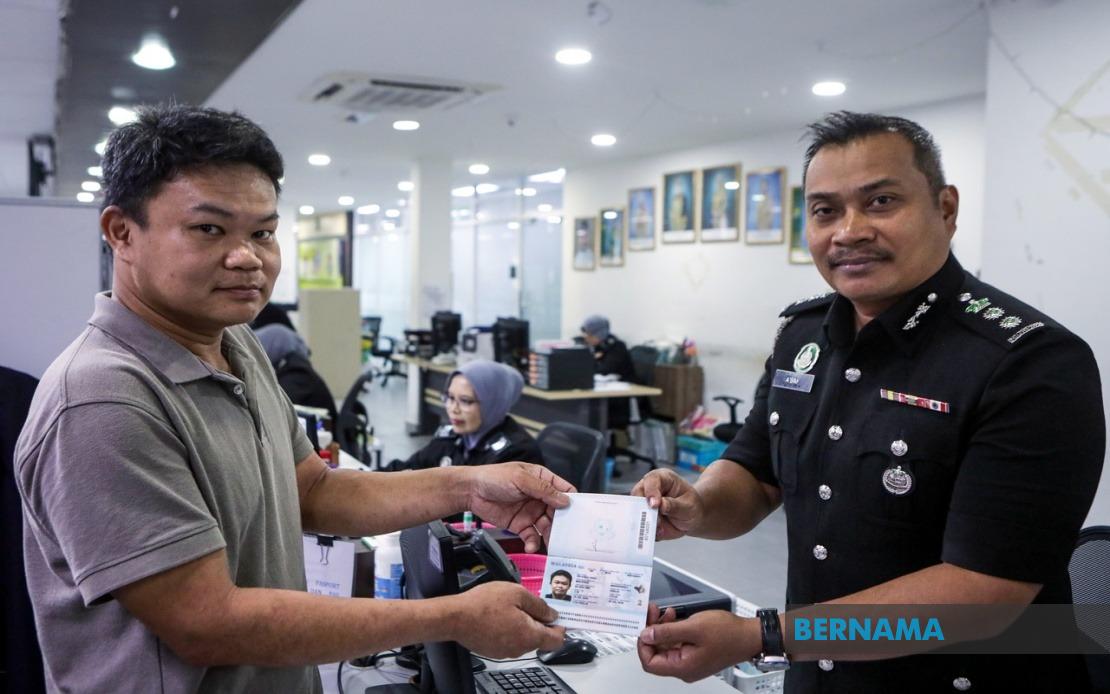
The Perlis Immigration Department has begun distributing the new Malaysian International Passport, marking the state's entry into a nationwide rollout of the government's enhanced travel document. The advanced passport, equipped with 94 security features designed to combat forgery and fraud, is now available at the Immigration Office housed within Kangar's Urban Transformation Centre. This represents a significant modernisation of Malaysia's travel documentation system, reflecting broader regional trends toward higher-security identification methods adopted by neighbouring countries across Southeast Asia.
Mohammad A'sim Md Ali, the director of Perlis Immigration, explained that the printing operation is currently concentrated at the single Kangar UTC location following the recent installation of specialised machinery. The department is preparing to expand this capacity once renovation projects conclude at the state's Ministry of Home Affairs complex, a transition expected to occur sometime in October. This phased approach allows immigration officials to manage quality control and security protocols while the necessary infrastructure upgrades progress.
The initial response from residents seeking the new passport has been positive since issuance commenced. Between January 1 and mid-July, the Perlis department processed a substantial volume of travel-related documents, including 6,918 new passports alongside 72 restricted travel documents and 24,732 border passes. These figures underscore the significant administrative burden placed on immigration services, which must balance efficiency with the rigorous security standards now embedded in the new document design.
Prime Minister Datuk Seri Anwar Ibrahim formally introduced the Malaysian International Passport to the public on June 30, with nationwide applications opening to all Malaysian citizens aged 18 and above from July 1 onwards. Applicants now enjoy flexibility in selecting their document's validity period, choosing between five-year and ten-year options depending on their travel requirements and personal circumstances. This choice reflects contemporary passport practices observed globally, where longer-validity options appeal to frequent international travellers while shorter terms suit those with less frequent travel needs.
The redesigned passport represents a comprehensive security upgrade aimed at safeguarding Malaysia's travel documentation system against increasingly sophisticated counterfeiting techniques. The 94 integrated security features include advanced biometric elements, enhanced holographic components, and sophisticated printing techniques that render the document significantly more difficult to replicate. Such measures align Malaysia with international best practices and strengthen border security across the region by ensuring reliable document authentication.
For Malaysian travellers and the broader public, the new passport offers tangible advantages beyond security considerations. The enhanced document provides stronger recognition among international border authorities, potentially expediting immigration procedures at airports and land crossings throughout the world. The choice between validity periods also allows individuals to align their passport renewal schedules with anticipated travel patterns, reducing unnecessary administrative interactions over time.
The rollout of the new passport system carries implications for Malaysia's immigration infrastructure nationwide. States without dedicated printing facilities must currently rely on centralised production, creating potential bottlenecks during peak application periods. The expansion beyond Perlis to other regional immigration offices will gradually ease these constraints, though the phased approach requires careful coordination to prevent disruptions to essential service delivery.
From a regional perspective, Malaysia's investment in advanced passport technology reflects competitive positioning within Southeast Asia's travel and tourism ecosystem. Neighbouring countries have similarly upgraded their travel documents in recent years, making enhanced security a standard expectation rather than a premium feature. The new Malaysian passport therefore represents not merely a security upgrade but also a necessary modernisation to maintain parity with regional peers and ensure seamless international travel experiences for Malaysian citizens.
The implementation process has progressed smoothly in Perlis, setting a template for other states' transition periods. Immigration officials have successfully managed the technical requirements of the new printing systems while maintaining service availability to the public. The planned October completion of the Kangar facility upgrade suggests that Perlis may serve as a model for efficient infrastructure deployment as the programme expands nationally.
Citizens planning international travel should note that both the old and new passports remain valid, though the enhanced security features and flexibility of the new document make it an increasingly attractive choice for renewal. The five-year and ten-year options allow strategic planning around travel schedules and usage patterns, providing greater control than the fixed-term systems offered previously. As more states activate their printing capabilities, accessibility to the new passport will improve significantly across Malaysia.

