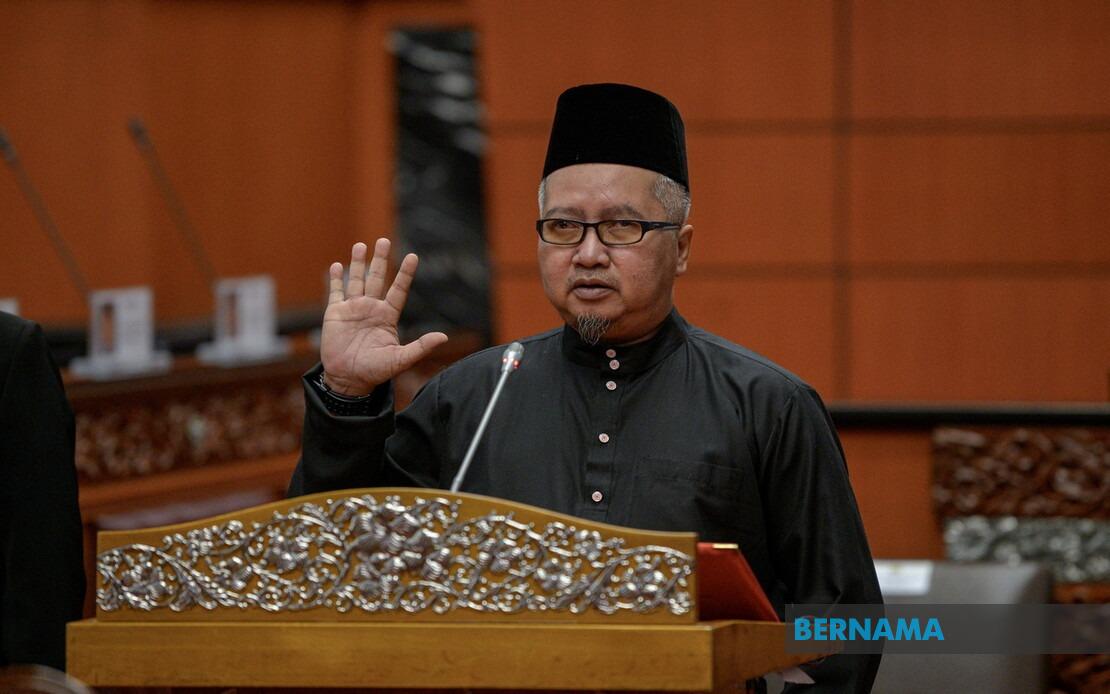
Senator Azahar Hassan, the secretary of Parti Pribumi Bersatu Malaysia in Perlis, announced his departure from the party on July 9, terminating his membership and all associated roles without delay. The decision came after a period of reflection and assessment of the political landscape, according to a statement issued from Kangar, the state capital.
In explaining his exit, Azahar emphasised that the move reflected his underlying convictions and personal evaluation of where his political journey should lead. He stated that his departure was motivated by a desire to pursue a direction in politics that aligned with his core beliefs, suggesting that his continued membership had become incompatible with his evolving political outlook. The announcement marked a significant departure for someone holding a prominent organisational position within the party structure in the northern state.
Despite relinquishing his party affiliation and leadership role, Azahar clarified that his resignation would not affect his service in the upper house of parliament. He committed to maintaining his duties as a member of the Dewan Negara, emphasising his ongoing responsibility to represent the interests of Perlis residents through his parliamentary work. This distinction underscores how party membership and legislative service, while often intertwined, remain technically separate roles within Malaysia's political system.
Azahar's appointment to the Dewan Negara came relatively recently, having been nominated by the Perlis State Legislative Assembly on October 10, 2024. His tenure as a senator had therefore been brief when he chose to step away from Bersatu. The timing of his resignation, coming less than nine months into his senate appointment, raises questions about the circumstances that prompted such a swift reversal from his initial political positioning.
The departure carries particular weight in Perlis, a state where Bersatu has been a significant political force. As the party secretary, Azahar held responsibility for coordinating party operations and membership matters at the state level. His exit removes an experienced administrator from a key organisational post and may create challenges for the party's state machinery during a period when internal stability is crucial.
Bersatu, led nationally by Tan Sri Muhyiddin Yassin, has experienced considerable flux in recent years as Malaysian politics navigated realignments following the 2023 general election. The party's positioning within the broader political landscape has shifted, and state-level departures of senior figures often signal either disagreement over strategic direction or changing personal political calculations. Azahar's decision to cite personal principles suggests dissatisfaction with the party's current trajectory rather than a move toward a rival organisation.
The resignation reflects broader patterns within Malaysian politics where senior figures occasionally reassess their party loyalty based on shifting circumstances and personal conviction. Unlike departures that involve crossing to another party, Azahar's choice to leave without explicitly joining an alternative suggests he may be stepping back from active party politics while maintaining his parliamentary role. This approach allows him to remain engaged in legislative work while distancing himself from a specific party's agenda and internal dynamics.
For Perlis Bersatu, the loss of its state secretary represents a personnel challenge that extends beyond simply filling an administrative vacancy. State secretaries typically maintain relationships across party membership, oversee organisational structure, and coordinate state-level political initiatives. Replacing someone in this role during an ongoing legislative period requires identifying a successor with comparable credibility and administrative capacity.
Azahar's continued presence in the Dewan Negara means he retains a voice in Malaysia's legislative process despite his party departure. This arrangement demonstrates the flexibility within Malaysia's political system, where individuals can maintain parliamentary roles independent of party affiliation, provided they were properly nominated or elected. His parliamentary position provides a platform for advocacy regardless of party status, though it also removes the organisational support and party whip infrastructure that typically surrounds legislative work.
The announcement comes amid broader conversations across Malaysian politics about party loyalty, personal conviction, and the evolving expectations placed on political figures. Azahar's statement that his decision stemmed from carefully considered principles rather than opportunism may prove significant for how his departure is perceived by both his former party colleagues and the broader electorate in Perlis. His continued parliamentary service suggests he values his responsibility to constituents beyond party membership, a distinction that may define his future political relevance.

