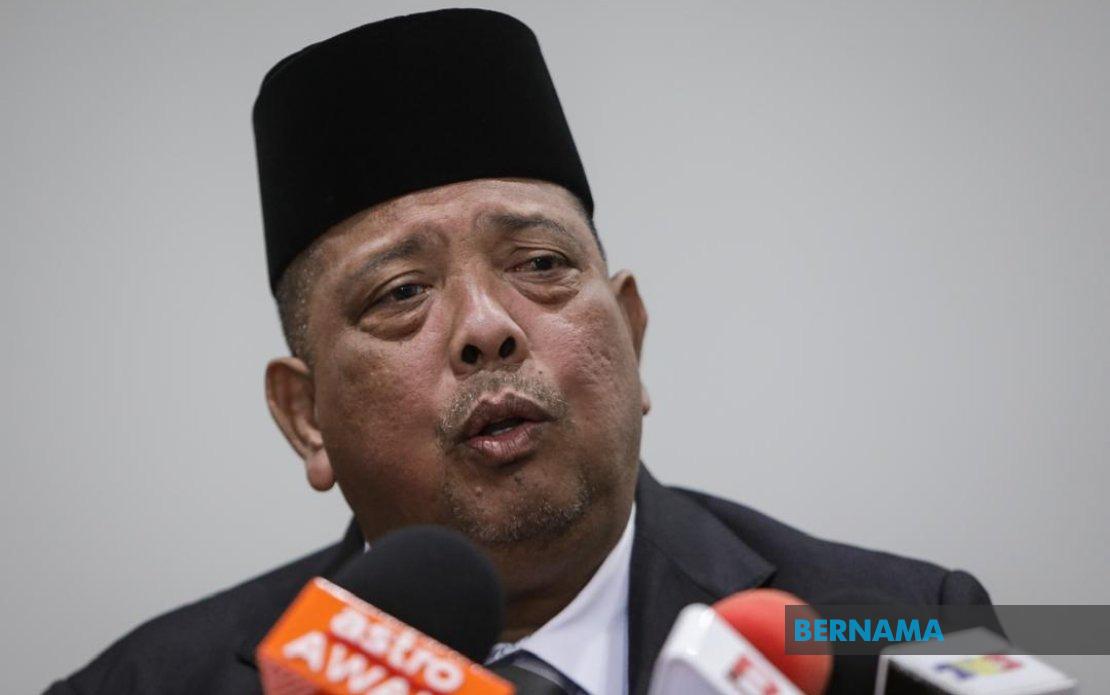
Perlis Menteri Besar Abu Bakar Hamzah has relinquished his position within Parti Pribumi Bersatu Malaysia's Supreme Leadership Council, a decision he formalized through a resignation letter submitted to the party's central leadership in the preceding week. Despite this withdrawal from the national party body, Abu Bakar maintains his roles as chief of the Perlis Bersatu state branch and head of the Kangar division, underscoring that his departure from the council does not constitute a break with the party itself.
The timing of this move reflects strategic calculations within Perlis politics. With approximately one year remaining in the current state legislative assembly term before elections become due, Abu Bakar has determined that his energies are better deployed on immediate state-level priorities rather than divided between Kuala Lumpur-based party deliberations and Kangar-based executive responsibilities. The decision to step back from the Supreme Leadership Council—an influential body within Bersatu's decision-making hierarchy—suggests the Menteri Besar views his dwindling tenure as insufficient to justify sustained involvement in national party machinery.
State administration in Perlis, particularly in the areas of investor attraction and achievement of performance indicators, demands concentrated attention according to Abu Bakar's rationale. The competitive environment for foreign direct investment within Malaysia means that a state chief executive cannot afford divided focus if Perlis is to capture meaningful economic opportunities. The peninsula's northern state, historically overshadowed by larger neighbours, requires sustained leadership engagement to position itself effectively within Malaysia's broader investment landscape and regional development frameworks.
In a significant show of support from the sultanate, the Raja of Perlis, Tuanku Syed Sirajuddin Jamalullail, had issued a decree at the state legislative assembly opening on June 3 affirming that Abu Bakar should be afforded autonomy to lead the state administration without interference until the end of the 15th assembly term. This royal endorsement effectively fortifies the Menteri Besar's position and lends institutional weight to his decision to concentrate on executive governance rather than party mechanics at the national level. The royal backing also suggests confidence in Abu Bakar's stewardship and recognition of the developmental challenges facing Perlis.
The announcement came during a symbolic occasion emphasizing cross-border economic linkages. Abu Bakar revealed his resignation while welcoming a delegation from Satun, Thailand, at a ceremony marking the resumption of the Kuala Perlis-Satun ferry service following its suspension during the COVID-19 pandemic. This convergence of timing—announcing domestic political repositioning while engaging neighbouring Thailand on trade and connectivity—illustrates how state-level officials increasingly operate at the intersection of domestic politics and regional economic engagement. The restart of the ferry service itself represents a modest but meaningful step toward normalizing cross-border movement and commerce that benefits both jurisdictions.
Corroboration from other Perlis political figures adds dimension to the narrative. Abu Bakar disclosed that Datin Marzita Mansor, the assemblyman representing Sena and a state executive councillor, had similarly resigned from her position within Bersatu's Supreme Leadership Council. While confirmation from Marzita herself remained pending at the time of the report, the parallel resignation by another senior Perlis figure suggests this may reflect a broader reassessment within the state's Bersatu hierarchy regarding the balance between national party roles and state-focused administrative commitments.
The resignation illustrates an ongoing tension within Malaysia's political structure. Party leadership positions at the national level can absorb significant time and attention, yet state chief executives face escalating demands to deliver tangible results for their constituencies. As state elections approach and development pressures mount across Malaysia, there is likely to be increasing friction between the pull of national party structures and the push toward localized governance delivery. Abu Bakar's choice to deprioritize the Supreme Leadership Council represents one response to this structural tension, though it may also reflect calculations about his political sustainability heading into electoral competition.
For Bersatu itself, the departure of Perlis's chief minister from the Supreme Leadership Council carries symbolic weight beyond the mechanics of administration. The party, which anchors significant portions of the Muhyiddin-aligned faction within Malaysia's broader political ecosystem, relies heavily on state-level support to maintain its relevance and claims to legitimacy. While Abu Bakar remains a Bersatu figure at the state level, his removal from the national council signals shifting priorities that could reflect broader dynamics within the party regarding the balance between executive power consolidation and institutional participation.
The context of Perlis politics adds additional layers to this development. As a comparatively small state with limited economic heft relative to Selangor or Johor, Perlis's political movements often receive less national attention but frequently indicate important shifts in underlying political alignments. Abu Bakar's focus on investor attraction and performance metrics speaks to the practical challenges facing peripheral states seeking to improve economic positioning and justify their continued development funding within Malaysia's federal allocation frameworks. The concentration of leadership effort on these tangible outcomes rather than on council-level participation suggests a pragmatic understanding of where value can be created within the constrained window of his remaining term.
The ferry service resumption, while ostensibly ceremonial, carries practical significance for Perlis's positioning within Southeast Asian trade networks. The cross-border connection with Thailand opens possibilities for enhanced people-to-people exchange and commercial activity that could contribute modestly to the state's economic trajectory. Abu Bakar's presence at this event while announcing his resignation from Bersatu structures underscores the reorientation of his focus toward regional economic engagement and localized development rather than intra-party positioning. This forward-looking stance on cross-border cooperation may become increasingly important as Southeast Asian integration frameworks deepen and state governments seek to optimize regional advantages.

