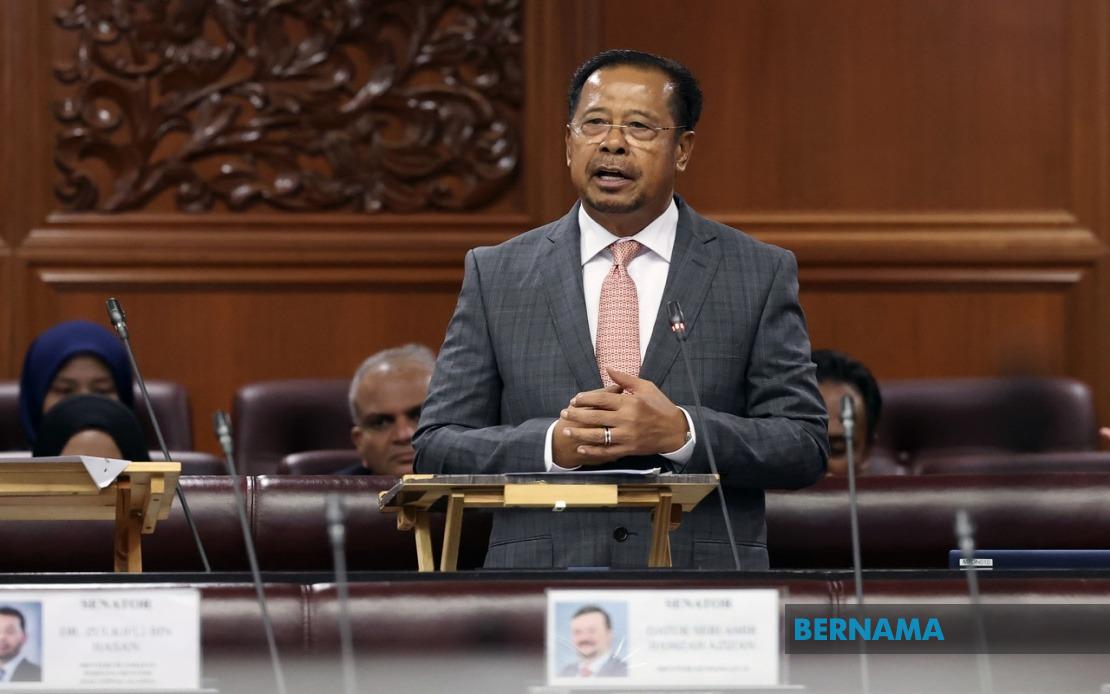
Malaysia's water sector is entering a critical phase of policy development as the Ministry of Energy Transition and Water Transformation (PETRA) announced plans for an extensive 12-month study on the Industrial Water Reclamation Policy. The initiative represents a significant step toward addressing long-term water security concerns in a nation where rapid industrialisation and urbanisation continue to strain existing freshwater reserves. Deputy Minister Datuk Seri Abdul Rahman Mohamad outlined the comprehensive nature of this undertaking during parliamentary proceedings in the Dewan Negara, emphasising that the research would form the backbone of a transformative national policy.
The study will target a diverse range of water-intensive sectors that currently depend on high-quality treated water despite their operational needs potentially being met through reclaimed water sources. Food and beverage manufacturers, data centre operators, semiconductor fabrication plants, and public cleaning services have been identified as priority industries for this policy framework. These sectors represent some of Malaysia's most strategically important economic activities, particularly as the nation positions itself as a regional technology hub and a competitive destination for multinational manufacturing. By redirecting reclaimed water to these applications, Malaysia can preserve its drinking water reserves while maintaining industrial productivity and competitiveness.
The government's commitment to this approach reflects a broader philosophical shift in water management philosophy across Southeast Asia. Rather than viewing water reclamation as a supplementary measure, policymakers increasingly recognise it as an essential component of integrated water resource management. Abdul Rahman Mohamad articulated this perspective clearly, noting that the use of reclaimed water represents a practical pathway to improving overall water-use efficiency without compromising quality standards where they matter most. This distinction is crucial because it acknowledges that not all water applications demand potable quality, allowing nations to deploy their freshwater resources more strategically.
The proposed policy framework aligns closely with Malaysia's broader sustainability agenda and regional water security imperatives. As climate patterns become increasingly unpredictable across Southeast Asia, nations like Malaysia cannot rely indefinitely on historical rainfall patterns to meet growing water demands. A reclamation policy would provide a buffer against potential droughts and supply disruptions, offering industrial users greater certainty regarding their water access. This stability becomes particularly valuable for foreign investors considering long-term manufacturing commitments in Malaysia, as assured water supplies reduce operational risks and regulatory uncertainties.
The scope of PETRA's research extends well beyond simple technical feasibility assessments. The study will encompass legal frameworks, financial models, and economic analyses—reflecting the complexity of implementing such policies across Malaysia's federal structure. Water management in Malaysia involves intricate coordination between federal authorities and state governments, each with distinct jurisdictional responsibilities and administrative capacities. The research team must navigate these constitutional arrangements while identifying practical mechanisms for interstate cooperation and resource sharing. Economic analysis will need to address questions of cost allocation, investment requirements, and pricing structures that would make reclamation economically viable for both operators and industrial consumers.
Infrastructure requirements represent another critical component of the study. Implementing an industrial water reclamation system requires substantial investment in treatment facilities, distribution networks, storage capacity, and monitoring systems. Different regions of Malaysia face distinct geographical and climatic challenges that may necessitate tailored approaches. The research will need to assess which areas could benefit most from reclamation infrastructure, identify optimal locations for treatment facilities, and determine how to integrate reclaimed water systems with existing water supply networks. These decisions will have significant implications for regional development patterns and industrial site selection across the country.
Quality control and regulatory mechanisms have been singled out as essential elements requiring careful attention throughout the study period. Public and industrial confidence in reclaimed water depends entirely on transparent, rigorous quality standards and consistent monitoring. PETRA will need to develop comprehensive testing protocols, establish acceptable quality thresholds for different industrial applications, and create accountability mechanisms that ensure ongoing compliance. These regulatory frameworks must be stringent enough to protect public health and industrial equipment while remaining practical to implement across multiple treatment facilities operated by different entities.
STakeholder engagement has been positioned as a cornerstone of the policy development process. PETRA is actively consulting with state governments, water operators, the Indah Water Konsortium (IWK), and industry representatives to ensure the final policy reflects practical realities and diverse perspectives. State governments will be critical partners given their constitutional roles in water management and service delivery. Water operators managing treatment and distribution infrastructure need to understand their responsibilities and the technical standards they must meet. The IWK's involvement is particularly significant as the nation's major wastewater treatment operator whose infrastructure would likely serve as a foundation for reclamation initiatives. Industry players must have meaningful input into policy design to ensure the resulting frameworks support rather than hinder their operations.
The semiconductor and data centre sectors warrant particular attention in this policy development process given their strategic importance to Malaysia's economic future. The semiconductor industry, already a major employer and foreign exchange earner, continues to expand manufacturing capacity. Data centres represent an emerging sector that Malaysia is actively courting as regional digital infrastructure hubs, attracting major international technology companies. Both industries are water-intensive, particularly for cooling systems, yet their operational requirements could be met through properly treated reclaimed water. By reducing their freshwater consumption, these strategic sectors would simultaneously enhance Malaysia's competitiveness and ease pressure on water supplies available for domestic use.
The comprehensive nature of PETRA's research agenda reflects recognition that industrial water reclamation cannot be implemented through regulatory decree alone. Success requires careful technical planning, financial viability, legal clarity, and genuine stakeholder buy-in. The 12-month timeframe, while substantial, acknowledges the complexity involved in conducting adequate research while maintaining momentum toward implementation. Once completed, the study will provide the evidence base necessary for confident policy rollout, potentially positioning Malaysia as a regional leader in sustainable water management practices.
Looking ahead, this policy initiative carries implications extending beyond Malaysia's borders. As the region's most developed economies seek sustainable growth models, Malaysian developments in water reclamation could influence neighbouring countries facing similar pressures. A successful policy framework would demonstrate viable pathways for balancing industrial development with environmental stewardship, offering lessons applicable throughout Southeast Asia. The study results will be closely watched not only by Malaysian policymakers but by regional peers grappling with comparable water security challenges in their own national contexts.

