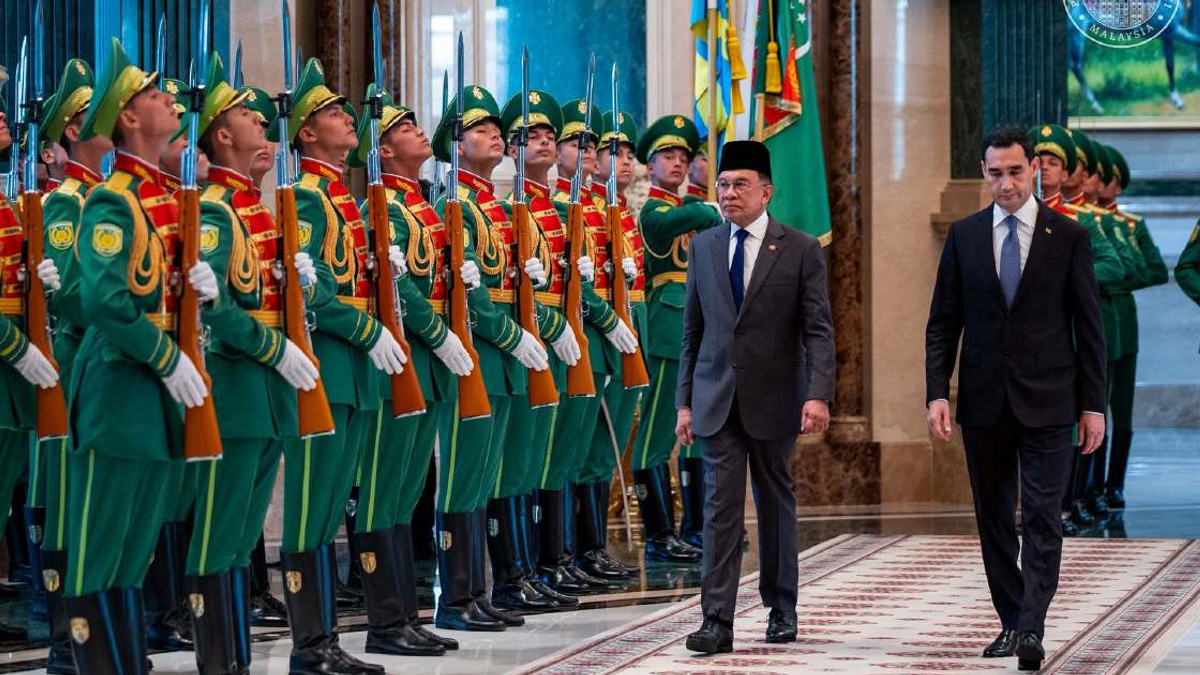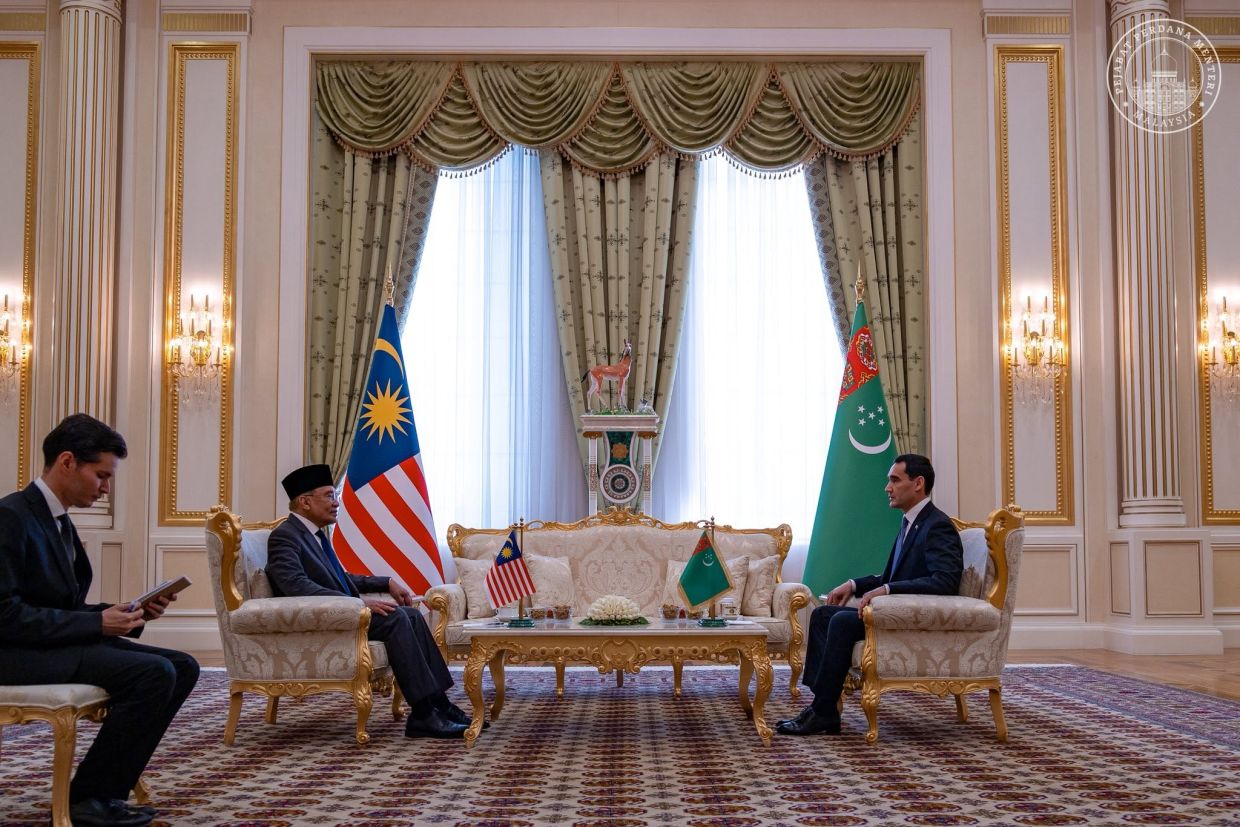
Prime Minister Datuk Seri Anwar Ibrahim and Turkmenistan President Serdar Berdimuhamedov oversaw the formal signing of a strategic partnership agreement between PETRONAS and Turkmenistan's energy authorities in Ashgabat today, signalling a significant expansion of economic and energy cooperation between the two nations. The accord builds upon an established foundation of bilateral relations that spans three decades in the energy sector, reflecting the enduring commitment both countries have demonstrated towards sustained collaboration and mutual economic benefit.
According to the Prime Minister's Office, this new strategic arrangement transcends traditional commercial boundaries by fostering deeper connections across multiple dimensions of economic partnership. The agreement underscores Malaysia's growing recognition as a credible and capable participant in global energy markets, with PETRONAS serving as the principal vehicle through which Malaysian expertise, technological prowess, and management capabilities are being deployed across Central Asia's energy landscape. This positioning enhances Malaysia's standing among international energy players and reinforces the country's credentials in competing for high-value energy projects on the world stage.
A crucial dimension of the partnership involves unlocking opportunities within Turkmenistan's substantial natural gas reserves, among the world's most significant unexploited deposits. This exploration and development work carries strategic implications not only for the bilateral relationship but also for energy security considerations across the broader Asia-Pacific region. As global energy markets grapple with supply constraints and shifting geopolitical dynamics, access to reliable gas reserves in Central Asia offers Malaysian energy interests valuable diversification and long-term supply security. The partnership thus addresses both immediate commercial objectives and longer-term strategic positioning in increasingly competitive global energy markets.
The timing of this agreement reflects broader patterns of Malaysian economic engagement with Central Asian nations, a region that has traditionally received less attention from Southeast Asian enterprises compared to other international markets. Turkmenistan has emerged as Malaysia's fourth-largest trading partner among Central Asian countries, demonstrating the depth of existing commercial relationships. In 2025, bilateral trade reached RM75.80 million, comprising predominantly Malaysian exports valued at RM75.50 million and registering a substantial 9.0 per cent year-on-year increase, indicating expanding economic momentum between the nations.
PETRONAS's historical involvement in Turkmenistan underscores the company's long-term commitment to the region. Since establishing operations there in 1996, PETRONAS has accumulated total investments exceeding RM52.73 billion, making Turkmenistan one of the company's most strategically important overseas investment destinations. This substantial financial commitment demonstrates management confidence in the country's hydrocarbon potential and provides a strong foundation upon which to build enhanced partnerships and expanded operational scope.
The official nature of Prime Minister Anwar's two-day state visit to Ashgabat, beginning the previous day, elevates this partnership beyond corporate-level arrangements to the highest echelons of governmental importance. His attendance at the formal signing ceremony, alongside President Berdimuhamedov, signals that both governments view energy sector development as central to their bilateral relationship and future economic trajectory. The bilateral meeting that followed the ceremony afforded both delegations opportunities to explore additional areas of potential cooperation extending beyond energy sector engagement.
From Malaysia's policy perspective, the agreement aligns with the MADANI government's broader vision of strengthening bilateral relations while simultaneously creating conditions for expanded economic and investment cooperation across multiple sectors. The government's characterization of this development emphasizes how individual corporate partnerships can generate multiplier effects throughout the broader economy, facilitating knowledge transfer, talent development, and technological advancement that benefit both participating nations. This holistic approach to bilateral relations represents a departure from narrower, transaction-focused engagement models.
The partnership's emphasis on knowledge and technology transfer carries particular significance for Malaysian workforce development and industrial capacity building. By positioning PETRONAS and its personnel at the forefront of developing Turkmenistan's energy resources, Malaysia creates opportunities for knowledge acquisition and skill enhancement among Malaysian technical professionals and managers. These accumulated experiences and capabilities then become embedded within Malaysian organizations, enhancing their competitive positioning for future projects across other markets and regions.
From a regional perspective, Malaysia's deepening engagement with Central Asian energy resources through PETRONAS represents a strategic diversification of economic partnerships and energy sourcing. As Southeast Asian economies continue expanding and energy demand grows, securing reliable access to diversified hydrocarbon reserves becomes increasingly important for long-term economic sustainability. Turkmenistan's vast natural gas reserves offer Malaysian interests opportunities to participate in resource development projects that generate returns while contributing to regional energy security objectives.
The strategic partnership also reflects evolving patterns of South-South cooperation and South-Central Asian engagement that characterize contemporary international economic relations. Malaysia's positioning as a capable and trustworthy partner for Central Asian energy development demonstrates how emerging market economies can successfully compete for high-value international projects previously dominated by Western corporations and government entities. This competitive success strengthens Malaysia's negotiating position across other bilateral relationships and establishes precedents for deeper integration with non-traditional economic partners.
Looking forward, the partnership framework established through today's agreement creates institutional structures and governance mechanisms through which both parties can pursue future opportunities and address emerging challenges collaboratively. Energy sector partnerships of this magnitude typically generate secondary opportunities across supply chain development, infrastructure provision, financial services, and human capital development. Malaysian companies operating in supporting industries may therefore find expanded market opportunities as PETRONAS scales its Turkmenistan operations, creating positive spillover effects throughout the Malaysian economy.