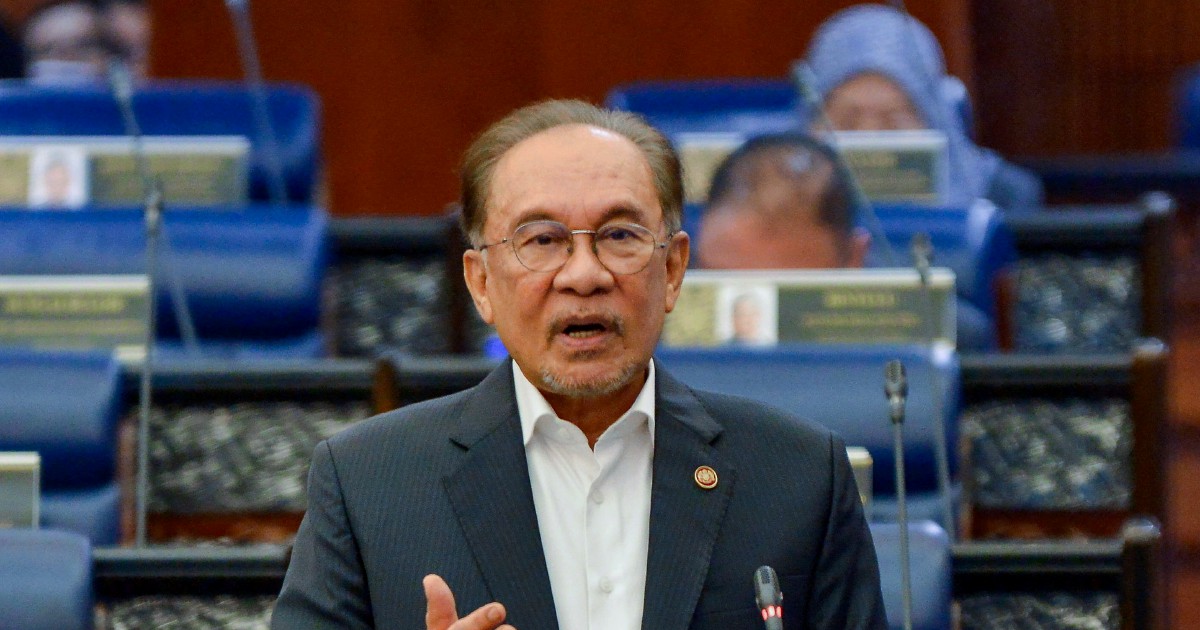
Malaysia's upstream energy ambitions are taking concrete form in Central Asia as Petronas prepares to begin exploration and drilling operations at substantial gas-bearing blocks in Turkmenistan as early as December, according to Prime Minister Datuk Seri Anwar Ibrahim. The move represents a significant milestone for the national oil and gas corporation's diversification strategy away from traditional operational zones and signals deepening commercial ties between Kuala Lumpur and the resource-rich nation of Turkmenistan.
The Turkmenistan venture represents a strategic shift for Petronas, which has historically concentrated its international operations across Southeast Asia, Africa, and the Middle East. The project underscores the Malaysian corporation's determination to secure energy assets in emerging production regions, particularly as global energy dynamics reshape and demand for reliable gas supplies remains robust. Turkmenistan itself holds the world's fourth-largest proven natural gas reserves, making it an attractive destination for investment-hungry energy companies seeking long-term production potential and export revenue streams.
This expansion into Central Asia reflects broader Malaysian foreign policy objectives aimed at strengthening bilateral economic relationships beyond traditional spheres of influence. The Anwar administration has positioned energy cooperation as a cornerstone of enhanced engagement with resource-rich nations, viewing strategic partnerships in the hydrocarbon sector as complementary to Malaysia's own development needs. By securing operational rights in Turkmenistan's productive gas blocks, Petronas simultaneously enhances Malaysia's geopolitical standing and diversifies the nation's energy security landscape through ownership stakes in internationally significant reserves.
The timing of the December commencement holds particular significance given the current global energy market environment. Natural gas prices remain elevated in many regions, and liquefied natural gas demand continues to strengthen as nations pursue cleaner energy transitions. Turkmenistan's position as a major gas producer capable of supplying both regional markets and distant buyers via export infrastructure adds considerable value to Petronas's position. The blocks in question likely represent some of the country's most prospective acreage, justifying the corporation's investment in development infrastructure.
For regional observers, the Petronas undertaking illustrates how Southeast Asian enterprises are increasingly competing for upstream resources across Asia and beyond. This stands in contrast to earlier periods when regional companies largely remained confined to home markets. The Turkmenistan move demonstrates Petronas's technical capability and financial capacity to operate in challenging frontier environments, competing effectively against larger international energy majors. Success in Central Asia could unlock further opportunities for Malaysian companies to expand their footprint across the energy-rich former Soviet republics.
The announcement also carries implications for Malaysia's energy security outlook. While the Turkmenistan production will primarily flow through export channels generating revenue for the national economy, securing long-term gas production stakes abroad strengthens Malaysia's ability to potentially source energy supplies internationally. As domestic reserves in the Malay Basin continue to decline, international production portfolios become increasingly critical to sustaining Malaysia's downstream industrial requirements and petrochemical sector competitiveness. Petronas's international assets generate substantial foreign exchange that crucially supports government revenues at a time when commodity price volatility creates budget uncertainty.
The drilling program itself will likely employ substantial international and Malaysian technical expertise, potentially creating employment and training opportunities while transferring technological knowledge to local workforces. Major petroleum projects in Central Asian nations typically involve international consortiums bringing together specialists from multiple countries, and Petronas's involvement suggests the company will contribute its distinctive technical capabilities in seismic interpretation, reservoir characterization, and development engineering. Such collaborations frequently yield spillover benefits as local professionals gain exposure to cutting-edge industry practices.
Turkmenistan's government has maintained a consistent strategy of welcoming foreign energy investment while carefully managing production schedules to maintain price stability and maximize long-term revenue flows. The Petronas entry into this context reflects the nation's continued openness to partnerships with credible international operators. The relationship also demonstrates Ashgabat's willingness to engage with Malaysian capital and technical expertise, diversifying its investor base beyond traditional European and American participants. This partnership orientation strengthens Turkmenistan's resilience and reduces its dependency on any single foreign energy company or government.
The drilling commencement timeline announced by Prime Minister Anwar suggests that preparatory work has substantially progressed behind the scenes. Securing operatorship in foreign jurisdictions requires extensive regulatory coordination, technical planning, supply chain development, and financial structuring. The December date indicates that Petronas has likely secured necessary approvals from Turkmen authorities and completed essential pre-drilling activities including environmental assessment, local community engagement, and mobilization of drilling infrastructure. This preparation phase, while typically invisible to public observers, represents the most critical foundation for successful field development.
For international energy markets, Turkmenistan's growing production under Petronas management could contribute incrementally to global gas supply diversification at a time when energy security remains a paramount geopolitical concern. Central Asian supplies reaching international markets via pipelines and liquefaction facilities help reduce pressure on other production regions facing their own development constraints. Malaysia's participation in unlocking these resources benefits the broader energy market equilibrium and reinforces the country's credentials as a reliable energy sector participant and partner for responsible resource development.
Looking ahead, the success of this Turkmenistan venture will likely influence Petronas's appetite for further Central Asian expansion. Should the initial drilling program confirm expectations regarding reserve volumes and producibility, the corporation may pursue additional blocks either in Turkmenistan or neighboring jurisdictions. This potential pathway positions Petronas as an increasingly significant player in Asian hydrocarbon exploration and production, enhancing Malaysia's profile as a nation with substantial energy sector capabilities extending far beyond its borders.

