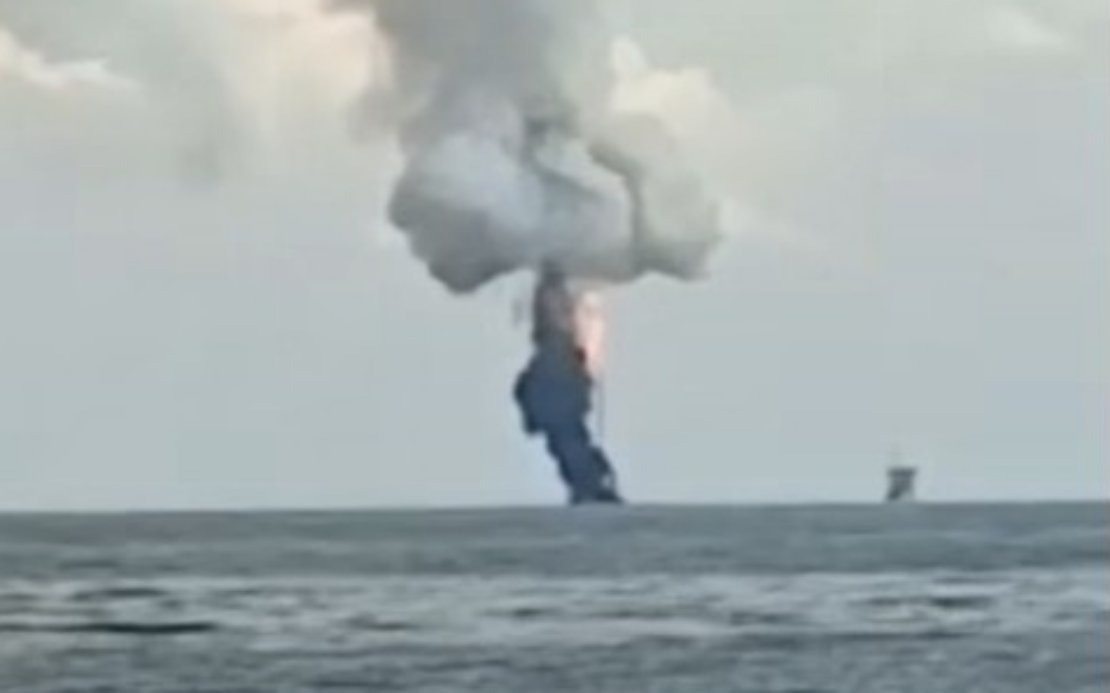
Petronas Carigali subsidiary Vestigo Petroleum Sdn. Bhd. has confirmed that a fire broke out at its West Lutong Vent A facility offshore Sarawak on the afternoon of June 28, marking another incident in Malaysia's oil and gas sector. The blaze occurred at approximately 2 pm and was subsequently brought under control, the company announced through an official statement issued the following day. Vestigo, which operates the platform, stressed that all personnel remained safe and uninjured during the emergency response.
The incident drew immediate public attention after videos of the fire circulated widely across social media platforms, underscoring the transparency challenges faced by oil and gas operators in the digital age. The viral footage prompted Vestigo to issue a rapid public statement, a standard response among major energy firms seeking to manage reputational concerns and reassure stakeholders. The company emphasized its adherence to safety protocols and its commitment to keeping the public informed throughout the investigation process.
Investigations into the root cause of the fire remain ongoing, with Vestigo working in coordination with relevant regulatory authorities and emergency response agencies. The company has not yet disclosed preliminary findings or technical details that might explain how the fire initiated, though such transparency typically emerges as investigations progress. Industry observers note that offshore platform fires, while serious, are not uncommon in deepwater operations, where equipment operates under extreme pressure and temperature conditions that can occasionally result in system failures or unexpected ignition.
According to Vestigo's statement, the situation posed no immediate threat to surrounding communities or the marine environment, a critical assurance for residents and fishing communities in coastal Sarawak who depend on the region's maritime resources. The company indicated it had implemented all necessary precautionary measures to manage exposure risks and prevent secondary incidents. Such protocols typically include shutting down affected systems, isolating affected zones, and deploying specialized emergency response teams trained in offshore fire suppression and evacuation procedures.
The West Lutong Vent A platform represents one of several offshore installations operated by Petronas subsidiaries in Sarawak waters, an area that has been central to Malaysia's hydrocarbon production strategy for decades. The region's deep-water reserves have attracted significant foreign investment and remain critical to the nation's energy security and fiscal revenues. Any disruption to offshore operations, even temporary ones, carries implications for Malaysia's crude oil export volumes and government petroleum revenues, factors closely monitored by financial markets and policy makers.
Vestigo Petroleum, as a subsidiary of Petronas Carigali, operates under the governance frameworks established by Malaysia's national oil corporation, which maintains stringent safety and environmental standards across all its subsidiaries. The company's commitment to protecting personnel and environmental integrity reflects not only corporate responsibility but also compliance with Malaysian maritime law and international conventions governing offshore operations. Such standards have become increasingly important as global energy companies face mounting pressure from investors and regulators to demonstrate exemplary safety records.
The incident highlights the inherent risks associated with offshore oil and gas production, a reality that industry stakeholders and government regulators acknowledge while pursuing efficiency and profitability. Malaysia's offshore sector has historically maintained strong safety records compared to global peers, though isolated incidents serve as reminders of the need for continuous vigilance and technological innovation in risk management. Equipment failures, human error, and environmental factors can combine unpredictably in complex deepwater environments, making comprehensive emergency preparedness essential.
For Malaysian policymakers and energy sector observers, the Vestigo incident comes amid broader discussions about the nation's long-term energy strategy and its transition toward more diversified power sources. While oil and gas remain foundational to Malaysia's economy, the sector faces mounting scrutiny regarding climate commitments and operational sustainability. Maintaining both safety excellence and environmental stewardship has become non-negotiable for companies seeking to retain social license to operate in Southeast Asian waters, where coastal communities and governments increasingly demand transparency and accountability.
The company's decision to communicate promptly with authorities and the public reflects evolving corporate communication norms in Malaysia's energy sector, where reputation management and stakeholder confidence are paramount. Vestigo's emphasis on its commitment to personnel safety and environmental protection signals awareness that public trust depends not merely on incident avoidance but on demonstrated competence in crisis response and genuine concern for affected parties. As investigations progress and findings are released, the industry will likely extract lessons applicable across Malaysia's broader offshore portfolio, potentially informing updated protocols or equipment upgrades across other installations.
Moving forward, regulatory bodies such as the Petroleum Safety Institute Malaysia and the Department of Safety and Health will likely review the incident as part of ongoing oversight of the offshore sector. Such reviews often lead to recommendations that strengthen safety culture and operational standards across the industry. For Vestigo and other operators, the fire underscores that even well-managed facilities require constant investment in prevention technologies, staff training, and emergency response capabilities to protect Malaysia's people, environment, and economic interests in the years ahead.

