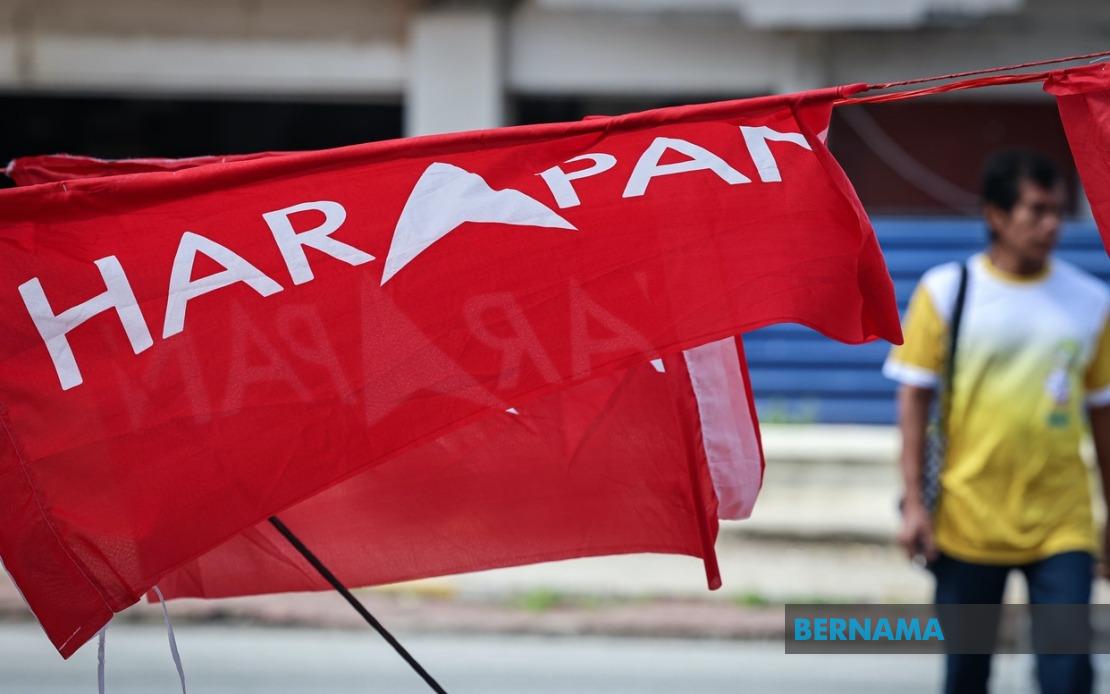
Pakatan Harapan candidates are entering the final stretch of the 16th Johor state election with a carefully calibrated campaign strategy that bridges the traditional and digital divide. As polling day approaches on July 11, the coalition is banking on a hybrid model that simultaneously energises ground-level community engagement whilst leveraging the reach and immediacy of online platforms. This dual approach reflects a broader recognition within Malaysian electoral politics that no single channel can command the attention of the increasingly fragmented voter base, particularly across diverse socioeconomic backgrounds within a state as geographically dispersed as Johor.
The cornerstone of this campaign architecture rests on blending personal voter contact with what strategists describe as virtual campaign mechanisms. Rather than viewing digital media as a replacement for traditional canvassing, PH candidates are treating social platforms as extensions of their grassroots machinery—spaces where manifesto details can be disseminated directly to voters without the filtering of traditional media gatekeepers. This direct-to-voter communication model accelerates the feedback loop, enabling candidates to respond to community concerns in near real time whilst simultaneously projecting their messaging across broader networks.
Centralising this strategy is the deliberate mobilisation of party leadership into the field itself. The presence of senior figures like Penang Chief Minister Chow Kon Yeow actively campaigning alongside local candidates serves multiple functions: it signals party investment in the Johor contest, provides an implicit endorsement that amplifies local candidates' legitimacy, and generates organic content for the digital apparatus. Chow's public call for voters to entrust PH with the state's governance frames the election not merely as a local contest but as a referendum on the party's broader vision for inclusive state management.
Simpang Jeram's incumbent assemblyman Nazri Abdul Rahman exemplifies this integrated approach, deploying community walkabouts and public engagements in concert with the party machinery. Such activities are no longer staged solely for immediate local impact but are increasingly documented and repurposed across digital channels, multiplying their reach beyond the locality itself. This transformation of campaign activity into multimedia content represents a fundamental shift in how Malaysian politicians conceptualise voter engagement, treating each interaction as a potential story opportunity.
The TikTok platform has emerged as an unexpectedly potent campaign tool within this ecosystem, particularly for candidates targeting younger demographics. Tiram candidate Nor Zulaila Abd Ghani has gained notable traction by adopting a relaxed, authentic communication style on the platform—deliberately eschewing the formal, scripted messaging that characterises traditional political communication. Social media responses indicate that voters appreciate this stylistic departure, with users explicitly praising her accessibility and willingness to voice community concerns. This phenomenon suggests a broader voter appetite for politicians who communicate in vernacular modes rather than through institutional jargon.
Puteri Wangsa candidate Dr Maszlee Malik is consolidating his digital footprint through WhatsApp channels, specifically the 'Gerak Sama Dr Maszlee Malik' initiative, which transforms the messaging app into a direct pipeline for voter feedback and campaign updates. This platform choice reflects a sophisticated understanding of Malaysian digital habits; WhatsApp remains ubiquitous across income strata and age groups, making it an unusually democratic communication medium compared to Facebook, which skews older, or TikTok, which dominates youth. By establishing an official channel, Maszlee creates the perception of institutional responsiveness whilst simplifying the mechanism through which constituents can channel grievances upward.
Machap assemblyman Nor Hafiz Roslan is similarly leveraging Facebook to project a specific political identity: that of a legal professional and community advocate committed to elevating constituent voices at the state legislative level. This branding exercise demonstrates how candidates deploy specific platforms not generically but as aligned with particular voter perceptions of their professional credibility and policy focus. The choice of Facebook, a platform particularly penetrated among older voters and women, reflects strategic audience targeting rather than blanket platform proliferation.
Tanjung Surat candidate Faizul Abdul Ghani has adopted a mobility-centred approach through the 'Jelajah Trak Harapan' initiative, essentially transforming campaign infrastructure into a touring operation. This strategy recognises that certain constituencies—particularly in smaller towns and rural localities—may lack either high internet penetration or the cultural practice of consuming political messaging through digital channels. By bringing the campaign directly to dispersed population clusters, the Jelajah Trak methodology ensures geographic equity in campaign exposure, a critical consideration given Johor's uneven urbanisation patterns.
The sophistication of this multi-platform, multi-candidate approach suggests that Malaysian electoral competition has evolved substantially in tactical dimension. Candidates are no longer operating as isolated units but as nodes within a coordinated network that maintains message consistency across diverse channels whilst permitting stylistic variation suited to each platform's vernacular norms. The campaign's final week will determine whether this hybrid architecture can translate tactical innovation into actual voter mobilisation.
The Election Commission has confirmed July 11 as the polling date, with early voting for security personnel scheduled for July 7. The compressed timeline means the final five-day push represents the last sustained opportunity for PH candidates to move persuadable voters, particularly those not yet firmly committed to any camp. The election results will provide a consequential test of whether hybrid campaign strategies oriented around digital-grassroots integration can effectively challenge more traditional campaign infrastructure.

