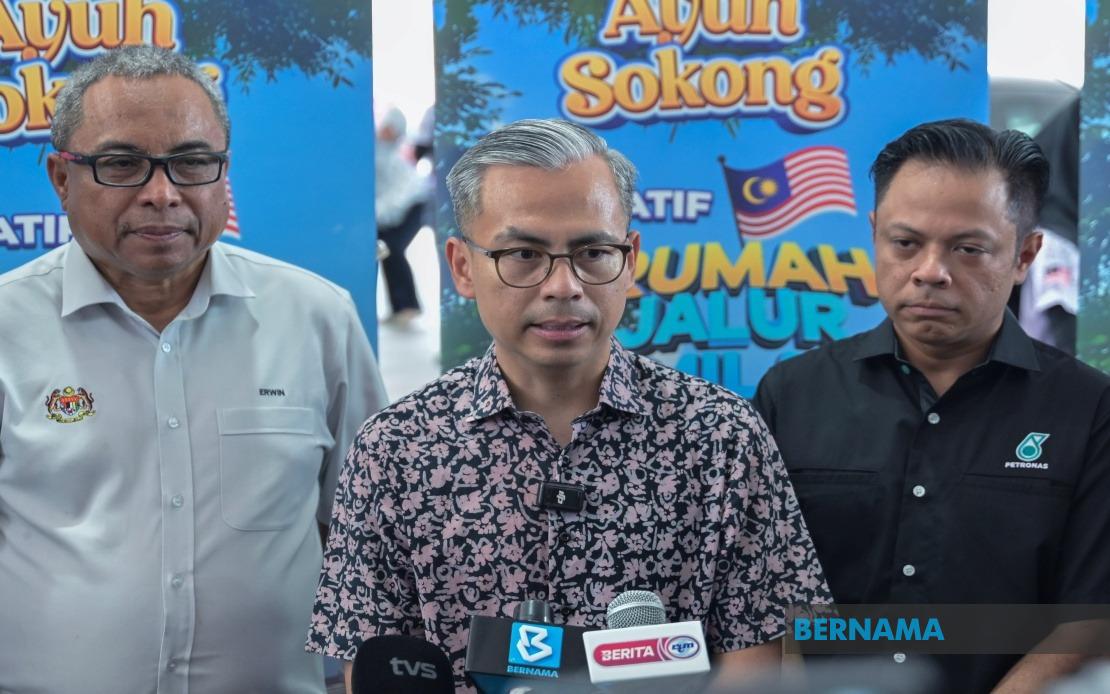
Political negotiations over electoral seat distribution in Melaka have taken a fresh turn, with Pakatan Harapan signalling its willingness to engage in meaningful discussions with Barisan Nasional on how to carve up constituencies for the upcoming state election. Communications Minister Datuk Seri Fahmi Fadzil, who doubles as PH's communications director, welcomed the coalition's receptiveness to such talks, framing the development as a genuine opportunity deserving serious consideration by both blocs.
The statement from PH represents a calculated political move that acknowledges the practical realities on the ground in Melaka, where BN currently holds a commanding 21 seats in the state legislative assembly compared to PH's more modest five. Rather than dismissing negotiations outright, PH appears to be adopting a pragmatic stance that recognises the need for strategic cooperation if opposition forces are to improve their electoral standing in the state. Fahmi's remarks, delivered after attending a dengue-fighting community event in the Lembah Pantai area here, suggest that internal PH discussions have already advanced to a level where party leadership feels confident enough to publicly endorse the negotiating process.
The Keadilan faction within PH, which maintains a significant presence in Melaka politics, has already begun preliminary groundwork on this matter. According to Fahmi, Yang Berhormat Adam Adli, the chairman of Keadilan Melaka, has established direct contact with Melaka Chief Minister Datuk Seri Ab Rauf Yusof to explore the parameters of possible seat arrangements. Such direct engagement between state-level figures demonstrates that these discussions are not merely rhetorical positioning but involve substantive conversations about how seats might be redistributed to reflect changing political dynamics.
BN's openness to negotiations became apparent when coalition chairman Datuk Seri Dr Ahmad Zahid Hamidi publicly stated his organisation's willingness to consider various arrangements, including even the outright exchange of seats between coalition partners. However, Zahid established clear parameters for any such discussions, insisting that negotiations proceed with complete honesty and transparency whilst respecting the fundamental principle that seats secured by any political party through electoral victory must be treated with respect and cannot be casually surrendered to coalition allies.
This position taken by BN represents a significant statement about the coalition's internal discipline. By explicitly ruling out the simple handing over of won seats, Zahid appears to be managing expectations among BN's component parties whilst signalling to PH that negotiations, should they occur, would need to focus on mutually beneficial swaps rather than one-sided concessions. Such framing protects each party's constituency interests and prevents accusations of political betrayal among grassroots supporters who elected particular representatives.
For PH, the calculus is somewhat different. With only five seats against BN's twenty-one, the opposition coalition faces the mathematical reality that its room for seat gains through negotiation may be limited. However, the party appears willing to engage because securing even a handful of additional constituencies through cooperation would strengthen its negotiating position ahead of any contest. Furthermore, PH benefits from presenting itself to voters as a coalition willing to work constructively with other political players when circumstances warrant such collaboration.
The broader significance of these developments extends beyond Melaka alone. Malaysia's political landscape has undergone profound shifts in recent years, with traditional assumptions about BN's dominance increasingly questioned and fluid coalitions becoming the norm rather than the exception. The Melaka negotiations signal that despite the contentious nature of Malaysian politics, there remains capacity for pragmatic discussion between parties that acknowledge each other's electoral legitimacy and seek accommodation rather than confrontation. This represents a maturation of political discourse compared to earlier periods marked by more acrimonious relations.
From a federal perspective, Fahmi's emphasis that matters relating to Melaka's seat distribution could be managed at both state and federal levels suggests that PH remains mindful of how state-level arrangements might affect broader national coalitional dynamics. Any agreement struck in Melaka could serve as a template for future cooperation in other states, making the current negotiations symbolically important beyond the state itself. Additionally, successful cooperation in Melaka might demonstrate to voters that opposition and ruling parties can transcend perpetual antagonism when pursuing shared governance objectives.
The emphasis on honesty and sincerity from both camps indicates an awareness that public trust in such negotiations remains fragile. Both PH and BN understand that supporters across the political spectrum remain deeply sceptical of backroom deals perceived as betraying their interests or diluting anti-corruption stances. By publicly committing to transparent, good-faith discussions, both coalitions attempt to preempt accusations of malfeasance whilst simultaneously signalling to their respective bases that any eventual arrangement will have been thoroughly scrutinised and justified.
Timing considerations also matter considerably. With state elections anticipated, both coalitions operate under pressure to present coherent electoral strategies whilst managing internal party expectations. PH's willingness to discuss seat arrangements now, rather than waiting until election machinery is fully activated, suggests the party seeks early clarity on the competitive landscape. BN, conversely, may see negotiations as an opportunity to preserve coalition unity by demonstrating to smaller partners that it remains willing to accommodate their interests through discussion rather than unilateral diktat.
Looking ahead, the success of Melaka negotiations will depend significantly on whether both sides can translate rhetorical openness into concrete agreements that satisfy their respective constituencies. Any deal struck will inevitably disappoint those hoping for more aggressive opposition gains, whilst simultaneously relieving party members concerned about unnecessary internal conflict. The coming weeks will reveal whether PH and BN can navigate these competing pressures whilst maintaining the constructive tone both have now publicly adopted.

